
Livraison le jour même ou le lendemain

Qualité garantie

Débloquez vos offres de bienvenue: Livraison GRATUITE | Jusqu'à -80 % | 30 jours d'essai gratuits à JoyPlus
Téléchargez l'application
Smartphones, laptops, tablets, smartwatches... As our electronic devices multiply, finding an effective charging solution has become a real headache. The fast charger market is a jungle of often misleading marketing promises. Between advertised power and real-world performance, risky incompatibilities, and safety hazards, it's all too easy to make the wrong purchase.
As a product recommendation expert at Joybuy, my mission is to help you make sense of it all. This guide breaks down the pitfalls to avoid and gives you the keys to choosing THE right charger for your needs, without the unnecessary jargon.
Before diving into the technical details, let's review the most common mistakes that lead to almost certain disappointment and wasted money.
To make the right choice, you just need to focus on a few key points that guarantee the performance and safety of your future charger.
Power, expressed in watts (W), is the first number people look at. But be wary, as it's crucial to look beyond this overall figure.
You'll often come across the term GaN charger. This acronym stands for gallium nitride, a semiconductor material that outperforms traditional silicon. For you, the advantages are immediate and tangible:
The right charger is the one that matches your gear.
Rather than an endless list, here is our selection of chargers that meet specific needs, all validated against our performance and safety criteria.
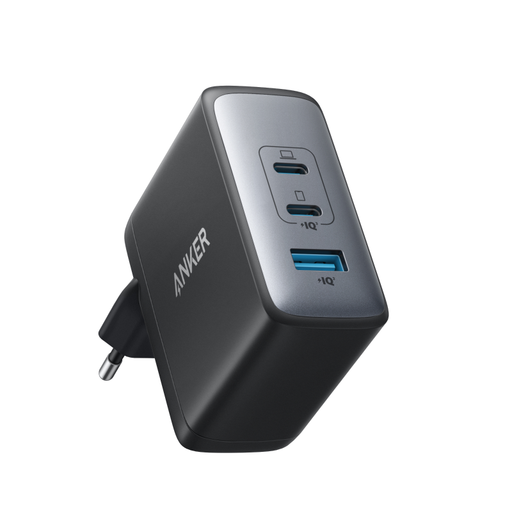
Why we love it: The perfect companion for remote workers and travellers. It simultaneously charges a laptop, a smartphone, and earbuds from a single, ultra-compact block. No more overstuffed backpacks!
This GaN II model is transparent: it clearly states 100W on a single USB-C port, not a misleading combined wattage. Its technology ensures perfectly managed heat dissipation.
Powering a MacBook Pro at full speed (100W) while charging two other devices? This is the ultimate all-in-one solution for mobile professionals.
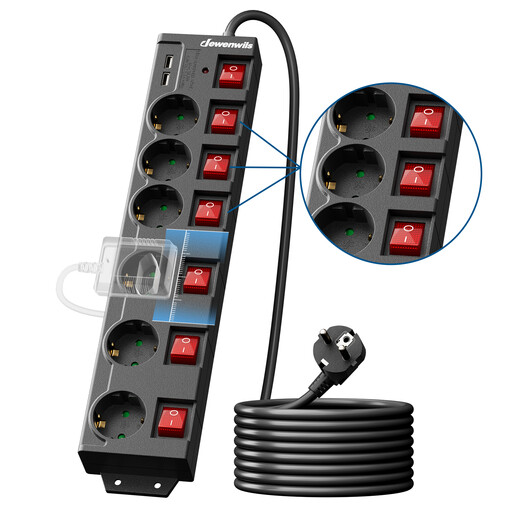
Why we love it: Essential in the living room or the family office, where everyone's devices compete for outlets. It centralises power for computers, lamps, tablets, and smartphones in one place.
It ticks all the safety boxes, an often-overlooked aspect: surge and lightning protection, and even child safety features.
Its six individual switches to cut power to standby devices and save energy. Special mention for its long 5-metre cable, which offers maximum placement flexibility.
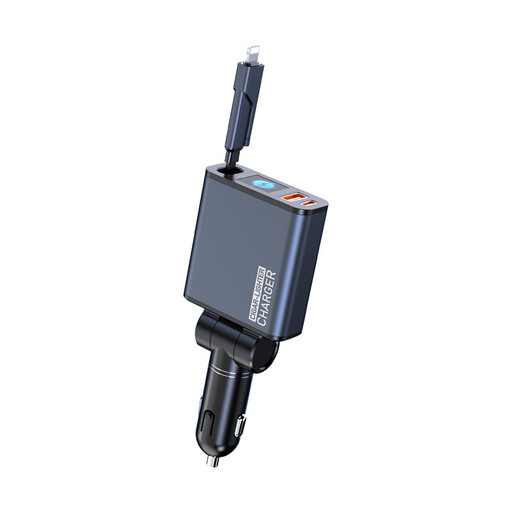
Why we love it: Designed for those who use their car as a second office or a living room on wheels. It charges work and personal phones, plus the passengers' tablet, without turning the cabin into a nest of cables.
No more anemic cigarette lighter chargers and cable chaos. With 160W and broad protocol compatibility, it guarantees truly fast charging for all devices on board.
Without a doubt, its two 90 cm retractable cables. They keep the car interior clean and tidy while delivering enough power to charge a laptop during a trip.
Discover our full selection of products that meet our strict criteria for performance and European safety standards.
No, on one essential condition: you must use a certified and compatible charger. Modern smartphones have intelligent power management systems. They "communicate" with the charger to adjust the power received in real time. Your phone will never "draw" more power than it can safely handle. The real risk comes from cheap, uncertified chargers that ignore these communication protocols and can cause dangerous overheating.
USB-A is the classic rectangular port everyone knows. Its charging power is quite limited today. USB-C, which is smaller, oval-shaped, and most importantly, reversible, is the new universal standard. It can carry much higher levels of power thanks to the Power Delivery protocol, allowing it to charge everything from a smartphone to a laptop at full speed.
It's not mandatory, but a GaN charger is highly recommended if compactness and efficiency are your priorities. If you travel light, want a single charger for everything, or are tired of scorching hot power bricks, then investing in GaN technology makes perfect sense.