
Livraison le jour même ou le lendemain

Qualité garantie

Débloquez vos offres de bienvenue: Livraison GRATUITE | Jusqu'à -80 % | 30 jours d'essai gratuits à JoyPlus
Téléchargez l'application
Navigating the jungle of chargers can be a real headache. Between promises of "ultra-fast" charging and a maze of technical standards, it's easy to make the wrong purchase. An unsuitable charger can, at best, slow down your day and, at worst, damage your devices' batteries.
As the Head of Product Recommendations at Joybuy, my mission is to help you see things more clearly. Let's cut through the marketing jargon and focus on what's essential: finding the reliable, high-performance fast charger you need. Here are the pitfalls to avoid and the key points to check before you buy.
To make an informed choice, let's break down a few essential concepts together.
Power, measured in watts (W), determines charging speed. But be careful, raw power isn't everything: it must be compatible with what your device can actually handle.
The crucial point remains compatibility with the Power Delivery (PD) protocol. This is the universal standard for fast charging via a USB-C charger port. It allows the charger and the device to "communicate" to adjust the power optimally and safely. For recent Samsung devices, compatibility with the PPS (Programmable Power Supply) standard is a real bonus for achieving maximum speed.
You've likely come across the term GaN charger. GaN (Gallium Nitride) is a next-generation semiconductor that outperforms traditional silicon. In practical terms, a GaN charger is much more compact, lighter, and generates less heat than a conventional charger of the same wattage. It's the ultimate smart choice for a travel charger or for freeing up space on your power strip.
A multi-port charger is perfect for charging your entire arsenal at once. The key thing to check is the power distribution. A good 67W charger, for example, will know how to allocate 45W to a laptop and 20W to a phone simultaneously. The combination of USB-C ports (essential for PD fast charging) and USB-A ports (for older devices) remains the most versatile.
To help you put this advice into practice, here are a few options that meet specific needs while avoiding the pitfalls mentioned.
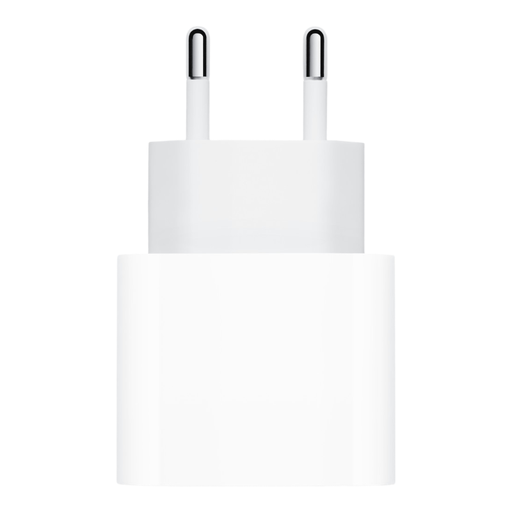
Why it's a great choice: The simple and reliable option for iPhone owners (model 8 or newer). Its 20W output is perfectly calibrated for effective, no-frills fast charging. Its compact size makes it a discreet companion at home or in the office.
As an official charger, it includes the Power Delivery protocol, which guarantees TRUE fast charging for compatible devices, unlike the empty promises of some competitors.
Apple design for perfect compatibility and safety with the brand's ecosystem. 20W power optimised for fast charging the latest iPhones.
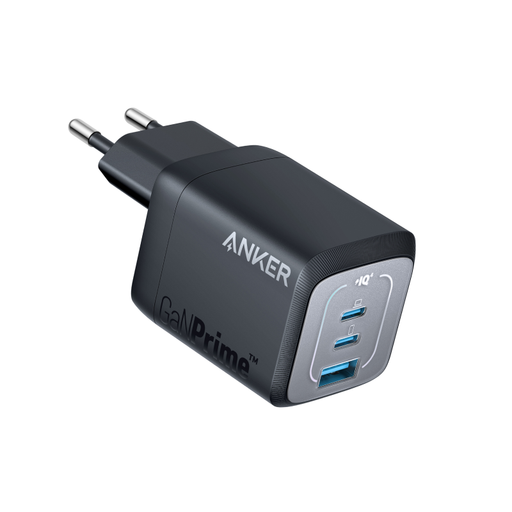
Why it's a great choice: The perfect ally for those who juggle a laptop, smartphone, and tablet. With 67W and three ports, it can charge a MacBook Air at full speed while taking care of other devices. Its GaN technology and foldable plug make it the ultimate travel charger.
This charger dynamically manages power distribution across its 3 ports. It doesn't falter as soon as multiple devices are plugged in, unlike many competing models.
GaN technology for an ultra-compact design. 67W total power and 3 ports (2 USB-C, 1 USB-A) for maximum versatility.
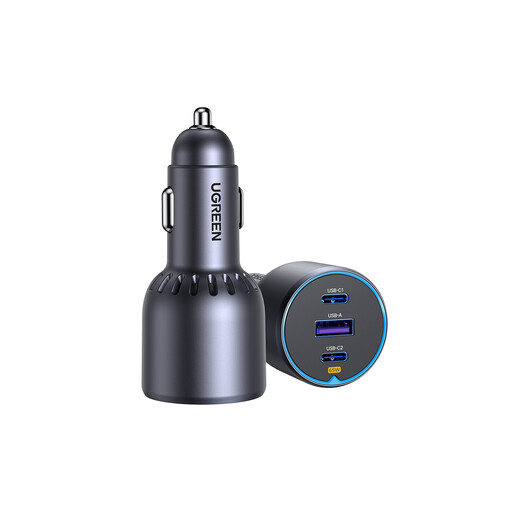
Why it's a great choice: For those who spend a lot of time on the road, this car charger is a true power station. It can charge a laptop at full speed via its 65W USB-C port, while also powering the driver's and passenger's smartphones.
Unlike basic car chargers, this model includes comprehensive protection against overheating and power surges, ensuring 100% safe charging, even on long trips.
Very high power for a car charger (75W total). Three ports (2 USB-C and 1 USB-A) for unbeatable versatility.
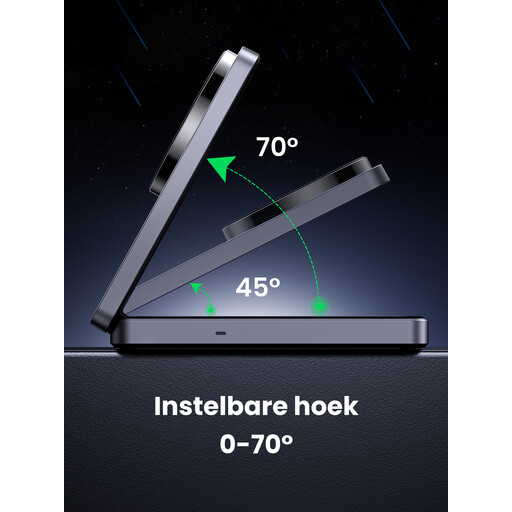
Why it's a great choice: Designed for fans of the Apple ecosystem, this 2-in-1 wireless charger is a compatible MagSafe charger. It charges an iPhone (series 12 to 17) at the maximum 15W power while also charging your AirPods. Its adjustable stand is a real plus for keeping an eye on your screen.
This model is Qi2 certified, the latest wireless charging standard. It guarantees a speed and efficiency of 15W, whereas many basic wireless chargers are capped at 5W or 7.5W.
Simultaneous charging for 2 devices (iPhone + AirPods). Foldable and adjustable stand for the perfect viewing angle. Qi2 certification for truly fast wireless charging.
We have selected a full range of chargers that meet our performance criteria and European safety standards.
It all depends on your device. In short:
No, on one condition: you must use a quality, certified charger. Modern devices have built-in management systems that communicate with the charger (via the Power Delivery protocol) to regulate the current and prevent any overcharging. The real danger comes from cheap, uncertified chargers that skip these vital protections.
Absolutely. The USB-C port is establishing itself as the universal standard. A USB-C charger compatible with Power Delivery (PD) can charge almost all of your devices, from your earbuds to your laptop, by automatically adapting the power delivered. It's the most versatile and future-proof solution.