Households with very full laundry baskets
If laundry for several people, bed sheets and towels regularly fill your washing machine, the aim is to cut down on cycles without buying a drum that is rarely full.


Choose a capacity to suit your usual loads, rather than the largest duvet you wash once in a while. According to Que Choisir, 8 to 9 kg is generally enough for a household of 3 to 4 people; 10 to 12 kg is a better fit if you regularly have large loads, while 12 to 15 kg is mainly worthwhile if you wash bulky items regularly. A large drum that is often only half full may use more than you expect. Also check the load limits for each programme and the space needed to open the door.
If laundry for several people, bed sheets and towels regularly fill your washing machine, the aim is to cut down on cycles without buying a drum that is rarely full.
If you wash these items at home, consider how much room they take up in the drum, their care labels and the load limit for your chosen programme—not just the stated capacity in kilograms.
Your laundry needs to fit into the space available too. Measure the access route, the appliance’s depth and the room needed when the door is open.
Choose this if: most loads are made up of clothes, bed sheets and towels, and you only wash thick duvets occasionally.
The trade-off: you avoid sizing the machine around a few occasional large washes, but some bulky items may need to be washed elsewhere.
Consider this if: you regularly have very full laundry baskets or often wash bulky items in the machine.
The trade-off: the benefits of a larger drum depend on how full it usually is and how much space you have for the appliance.
Choose this if: your everyday loads are not bulky and you only need to wash a thick duvet occasionally.
The trade-off: you’ll need to arrange this wash separately and follow the item’s care instructions.
| What matters | What to check | Consumers concerned |
|---|---|---|
| Number of cycles | Compare the capacity in kilograms of dry laundry with your usual loads, then check the limits for the programmes you use. | When family laundry baskets are regularly full, I want to wash everyday clothes in fewer cycles without buying an oversized machine. Around 42% of consumers prioritise this need. |
| Duvets and throws | Check the item’s care label, the programme’s load limit and how much room it takes up in the drum. | If I often wash duvets or thick throws at home, whether they fit in the machine matters more than the size of my everyday loads. This is the top priority for around 33% of consumers. |
| Size | Measure the width, height and depth, access to the connections and the space needed to open the door. | I need to be able to install an appliance that suits my family’s laundry loads without blocking access or stopping the door from opening. Available space is therefore the top priority for around 25% of consumers. |
If your everyday loads are small, you won’t make much use of the extra capacity. According to Que Choisir, a large model that often runs half full may use more water and electricity than necessary.
Start by considering how often you have full loads. Reserve 12 to 15 kg capacities for bulky items that you genuinely wash often.
The stated capacity in kilograms does not mean that synthetic, denim or wool programmes can take the same load.
Check the maximum loads in the manual and the care label on each duvet or throw before planning to wash it at home.
An appliance may fit into an alcove but still not have enough room for the door to open or for you to reach the connections.
Also measure the route to the installation space, the door’s opening clearance and the room needed for the connections. Then compare these measurements with the specifications for the exact model.
The WGG254FAFR front-loader is a 10 kg option to consider if installation depth is a concern.
The F14R31WHSA is a useful comparison for households considering an 11 kg machine and washing duvets at home.
Consider the WWD380 WCS PWash&Steam&9kg if 9 kg suits your household’s everyday laundry.
These 10 or 11 kg front-loading models are worth considering if you regularly have large family loads. Their stated capacity alone does not confirm that a particular duvet can be washed in them: check the manual, the item’s care label and the dimensions before choosing.
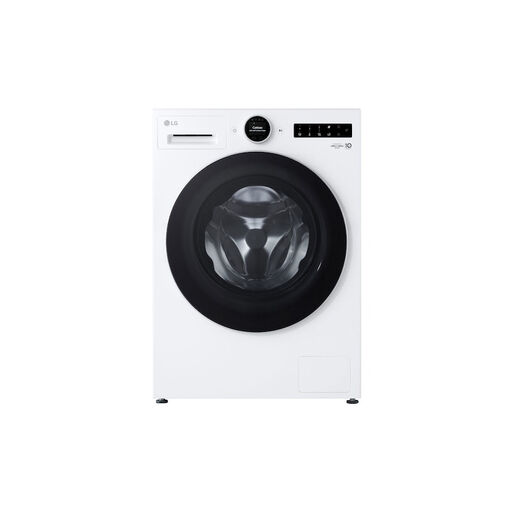 Image unavailable
Worth considering if you regularly have large family loads. The model name indicates an 11 kg capacity and an A energy rating. If you’re washing a duvet, check the load limit for the programme you plan to use. Also measure the space needed with the door open.
 Image unavailable
Worth considering if you regularly have full family laundry baskets. The model name lists a 10 kg capacity, a 1 400 rpm spin speed, an A energy rating and AutoDose. This feature alone does not tell you how much you could save in use. If you plan to wash duvets, check the programmes and their maximum loads in the manual.
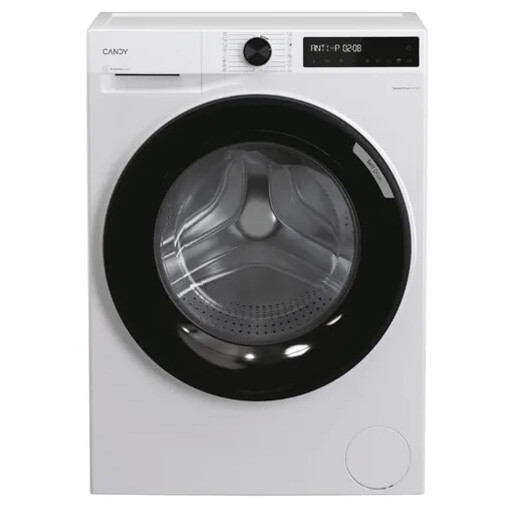 Image unavailable
A capacity to consider if your family laundry regularly fills the machine. The model name indicates an 11 kg capacity and an A energy rating. For bulky items, check the programme limits and make sure there’s enough room to open the door.
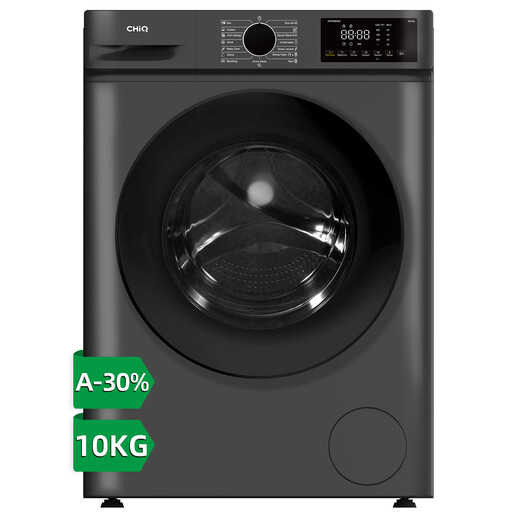 Image unavailable
Worth considering if you regularly have large family loads. The model name lists a 10 kg capacity, a 1 400 rpm spin speed and 16 programmes. Before choosing it for a duvet, check the load limit for the programme. Also check the installation dimensions and the model’s energy label.
 Image unavailable
A 10 kg option to consider for frequent family laundry. If you’re buying it to wash bulky items, check the manual for load limits and measure the space needed with the door open.
No. The stated capacity refers to a dry laundry load under the conditions of the reference programme, and other programmes may take less laundry. Check the model’s manual and the item’s care label before putting a duvet or throw in the machine.
Not necessarily. According to Que Choisir, 8 to 9 kg is generally enough for a household of 3 to 4 people, while 10 to 12 kg is worth considering if you regularly have large loads. Capacities of 12 to 15 kg are mainly suited to washing bulky items regularly. A few occasional duvets alone are not a reason to size a machine for all your household laundry.
Compare the figures on their energy labels under the same conditions, then consider the size of your usual loads. The ADEME presents the label as a guide to help you choose, but its rating alone cannot predict how much energy your cycles will use when they’re often half full.
Measure the available width, height and depth, as well as the route to the installation space, the connections and the room needed to open the door. The depth with the door open depends on the model: for example, LG gives 1 100 mm for its 11 kg F14R31WHSA, a measurement that should not be applied to other models.