What are the key differences between capacities?
8–9 kg front-loader
Consider this if: you do family washing regularly, but only wash very bulky items occasionally.
The trade-off: some duvets or thick, bulky loads may still need to be washed separately.
10–11 kg front-loader
Consider this if: sheets, towels and other large loads often mean running several cycles.
The trade-off: don’t size up for all your washing based on a few exceptional loads; also check the space needed for installation.
Slimline top-loader
Consider this if: width is a genuine constraint for installation, as well as your need to do family washing.
The trade-off: its generally lower capacity may mean splitting bulky laundry into more loads.
| Consideration |
What to check |
What consumers are looking for |
| Bulky loads |
Compare your usual loads with the maximum capacity for programmes intended for sheets and bulky items. |
When sheets and thick towels pile up, I want to avoid running another cycle just to get through the washing; around 36% of consumers prioritise reducing the number of these cycles. |
| Everyday capacity |
Assess the size of your usual loads, then check the appliance’s depth and the clearance needed for the door. |
If I only wash bulky items occasionally, I’d rather have a capacity suited to everyday family washing; this is the main priority for around 29% of consumers. |
| Energy and water use, and cycle duration |
Compare the kWh per 100 cycles, litres per cycle and Eco 40-60 programme duration on the label, then consider the cycles you’ll use. |
With frequent washing, I want to compare water, energy and time on a like-for-like basis; around 21% of consumers put this balance first. |
| Available width |
Measure the available width and the space above a potential top-loader, then compare its capacity with your bulky loads. |
If there isn’t enough width for a front-loader, I still need to be able to manage my household’s washing; around 14% of consumers prioritise this compromise. |
The European Commission defines rated capacity in relation to the selected programme and the manufacturer’s loading instructions. To compare the energy figures on the label, ADEME highlights, among other things, energy use per 100 cycles and the Eco 40-60 programme duration. These figures alone don’t tell you how all your usual cycles will perform.
Front-loading washing machines to consider on Joybuy
These 9 kg and 11 kg front-loaders cover the two capacities considered for family washing. Compare their programmes and the load limits for your bulky laundry before choosing. A top-loader involves a different installation compromise.
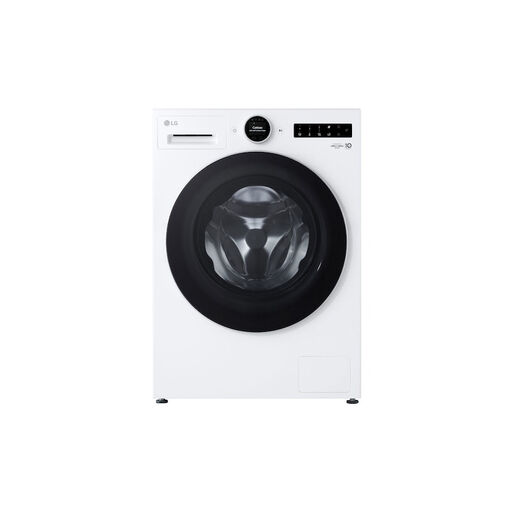 Image unavailable
LG F4WX851Y, 11 kg front-loading washing machine
Worth considering if you regularly wash large loads and want to compare an 11 kg front-loader.
Energy rating A stated in the product name. Check the manual for the load limit on the cycle intended for bulky items, as well as the space needed for installation.
View on Joybuy
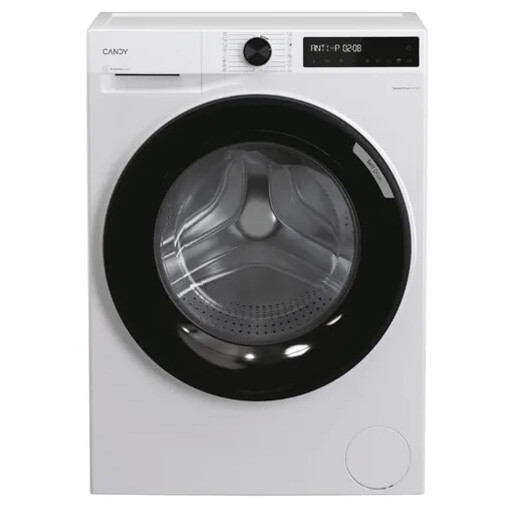 Image unavailable
Candy BR 411BL9-S, 11 kg front-loading washing machine
Its stated capacity of 11 kg may suit a household that regularly washes large loads.
Energy rating A stated in the product name. If you wash duvets, check the manual for suitable programmes and their maximum load rather than relying on the rated capacity alone.
View on Joybuy
 Image unavailable
Electrolux EW7FI259160V, 9 kg front-loading washing machine
This 9 kg front-loader is in the range worth comparing if everyday family washing makes up most of your laundry.
The product name lists a spin speed of 1,600 rpm, along with the SteamCare and SmartSelect names. Check the manual for the load limit on cycles intended for bulky laundry.
View on Joybuy
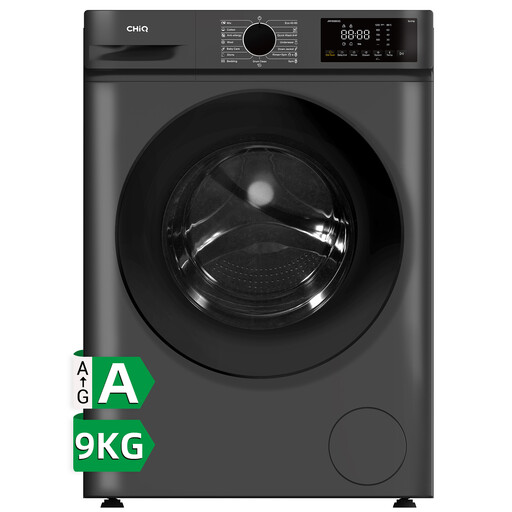 Image unavailable
CHiQ JW95883G, 9 kg front-loading washing machine
Its stated capacity of 9 kg makes it worth comparing for regular family washing.
The product name lists a spin speed of 1,400 rpm. Before planning where to put it, confirm the exact dimensions of this model and check the load limits for each programme.
View on Joybuy
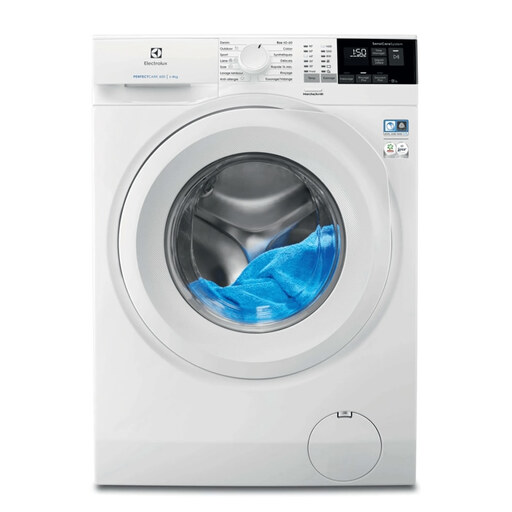 Image unavailable
Electrolux EW6F4109RA, 9 kg front-loading washing machine
This 9 kg front-loader is worth comparing with other mid-capacity models if you only wash bulky items occasionally.
The product name lists a spin speed of 1,400 rpm. To compare energy use, check the energy label for this model; the manual will specify the maximum loads for programmes suited to your household.
View on Joybuy
Frequently asked questions
Can a 10 or 11 kg washing machine take this load on every programme?
No. As defined by the European Commission, rated capacity relates to a selected programme and a load that follows the manufacturer’s instructions. Check the programme table for the specific model to see how much the cycle you plan to use for bulky items can take.
Which figures should I compare on the energy label?
Compare the capacity, kWh per 100 cycles, water use per cycle and duration for the Eco 40-60 programme, along with the spin and noise information. ADEME provides these figures to help compare appliances; check separately which programmes and load limits are suitable for your own fabrics.
What should I check before installing a family washing machine?
Check the dimensions of the model you choose, the space needed to open it and the instructions in its manual. For installation, Electrolux recommends, among other things, a flat, hard floor. Follow the appliance manufacturer’s instructions for levelling and maintenance.
Does a commercial warranty replace the legal guarantee of conformity in France?
No. The legal guarantee of conformity is separate from a commercial warranty. The French Ministry of the Economy states that it applies to new, second-hand and refurbished goods sold by a business to an individual. Before taking out extra cover, compare what it actually adds to your legal rights.


