Households that regularly wash large loads
Family laundry, towels, sheets and blankets often fill the machine. The aim is to avoid splitting loads without choosing a capacity that would rarely be used at other times.


Choose a capacity to suit the loads you usually wash, rather than your largest duvet. According to UFC-Que Choisir, 8 to 9 kg is generally enough for a household of 3 to 4 people. A 10 to 12 kg model makes more sense if you regularly wash large loads, provided you check that you have enough space and the load limits for each programme. If you only wash a bulky duvet occasionally, an occasional-use solution can save you from sizing your machine around that one item.
Family laundry, towels, sheets and blankets often fill the machine. The aim is to avoid splitting loads without choosing a capacity that would rarely be used at other times.
Washing is frequent, but very bulky items don’t make up most of the loads. UFC-Que Choisir says a capacity of 8 to 9 kg is generally sufficient in this case.
Everyday loads are more modest, even if a bulky item can sometimes be a challenge. The choice is then about the machine you’ll use all year round and how to handle that occasional need.
Start by looking at the size of your usual loads, then check bulky items and installation space separately. ADEME recommends matching capacity to your actual needs, rather than running multiple cycles with an underfilled drum.
| What matters | What to check | Who it suits |
|---|---|---|
| Frequent large loads | How often you fill the drum over several weeks; the capacity and overall depth of the model you’re considering. | When sheets, towels and large loads come one after another, my main aim is to avoid regularly splitting laundry across several cycles. Around 42% of consumers would put these recurring large loads at the top of their list of needs. |
| Everyday loads that fit the machine better | The size of your usual loads; the water and energy figures on the labels of the models you’re comparing. | If clothes and everyday family laundry make up most of my loads, I don’t want to choose a drum based on an exceptional load. Around 33% of consumers would prioritise a capacity that better suits their usual loads. |
| Occasional, very bulky items | The care label, the load allowed for the programme and the capacity accepted by any external laundry service. | A thick duvet can sometimes be a problem, but my other laundry doesn’t need a large drum. Around 25% of consumers would say that dealing with this item occasionally is their main need. |
A large drum that’s rarely filled may be less useful day to day. UFC-Que Choisir mainly recommends the largest capacities for households that regularly wash bulky items.
Look at your most common loads over several weeks. If you only wash a thick duvet occasionally, consider an occasional-use laundry service too.
The rated capacity refers to a weight of dry laundry under the conditions specified for a particular programme. Limits may be lower for other fabrics or cycles.
Before washing a duvet or thick blanket, check its care label and the load table in the manual for the specific model.
The stated depth doesn’t always include the space needed for protruding parts, connections and the open door.
Before ordering, check the delivery route, overall dimensions, space for hoses and how far the door swings open.
Two models with the same capacity can differ in their consumption figures, warranty terms and repair options.
Compare the energy label and, for washing machines covered by the scheme in France, the durability index presented by ADEME. Also check the warranty terms for the model.
These examples of ranges and models can help you compare capacity and dimensions. Their features don’t apply to every appliance from the same brand.
The WGG254FAFR front-loader is an example of a 10 kg model to consider for regular large loads.
Electrolux’s French range includes several 10 kg front-loaders, with features to compare model by model.
The F14R31WHSA is an example of an 11 kg model with a Duvet programme listed by LG.
The WWD380 WCS PWash&Steam&9kg is an example of a 9 kg front-loader for family laundry that isn’t regularly very bulky.
This selection includes 8 to 9 kg models for everyday family laundry, plus 10 to 11 kg models to consider if you regularly wash large loads. The stated capacity alone doesn’t confirm whether a particular duvet can be washed in the machine.
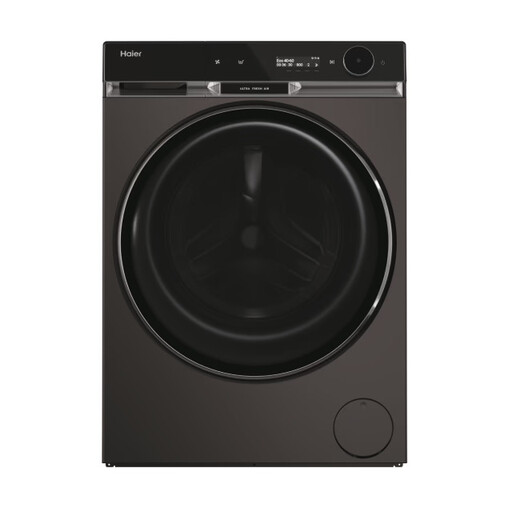 Image unavailable
Worth considering if you regularly wash large family loads. The model name indicates a 10 kg capacity, 1 400 rpm spin speed, an A energy rating, plus AutoDose, steam and Wi-Fi features. For installation, compare the stated depth of 611 mm with any protruding parts, connections and the open door. Check the manual before planning to wash a particular duvet.
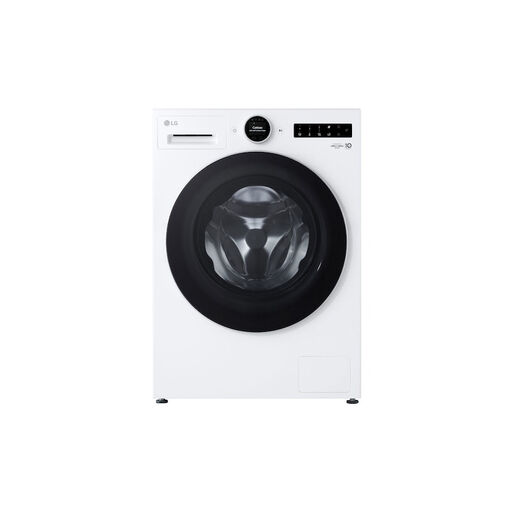 Image unavailable
Worth considering for large, regular loads. The product name indicates an 11 kg capacity and an A energy rating. If you’re planning to use the Duvet programme listed for this model, check the permitted load in the manual and follow the care instructions for your duvet. Also check the dimensions and the space needed with the door open before installation.
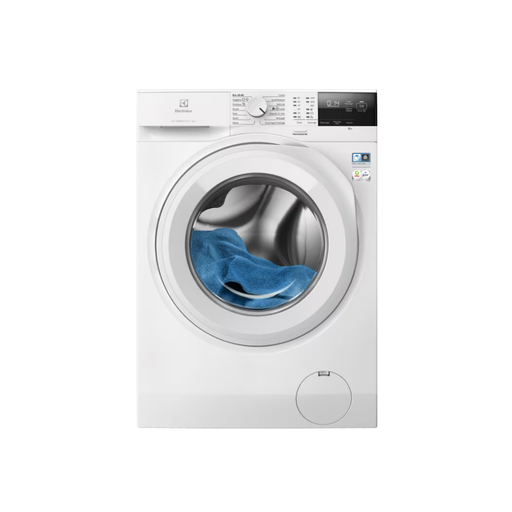 Image unavailable
Worth considering if most of your laundry is everyday family washing and you only wash bulky items occasionally. The model name indicates an 8 kg capacity, 1 400 rpm spin speed and SensiCare. The stated depth is 576 mm; also allow space for connections and the door. A programme designed for duvets doesn’t remove the need to check its load limit in the manual.
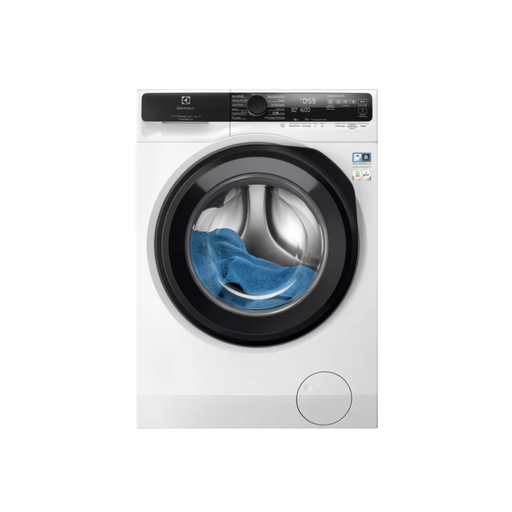 Image unavailable
Worth comparing for mixed family loads rather than regular XL-sized items. The model name indicates a 9 kg capacity, 1 600 rpm spin speed, plus SteamCare and SmartSelect features. Its stated depth is 66,0 cm, so check connections and door clearance too. For a duvet, follow the load limit for the relevant programme.
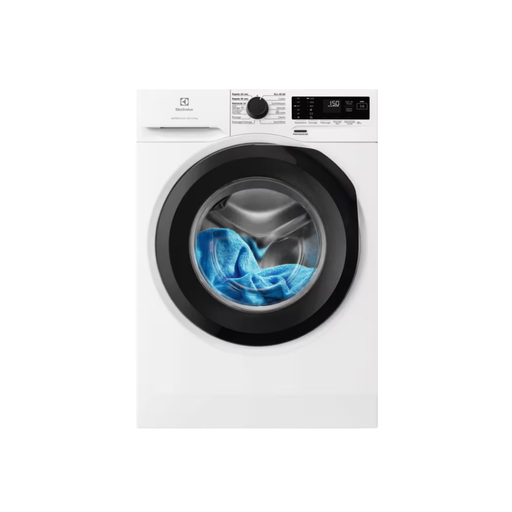 Image unavailable
Worth considering if you regularly fill the drum with large loads. The model name indicates a 10 kg capacity, plus TimeSave and steam features. Its stated depth is 658 mm, so check for protruding parts, connections and door clearance too. Check the load limits for each programme before washing a bulky item.
No. According to the definition published by the European Commission, rated capacity refers to the declared weight of dry textiles for a cycle under the conditions set out by the supplier. Check the duvet’s care label and the manual: the permitted load can vary by programme.
Measure the delivery route and installation space, then check the overall depth, connections and the space needed with the door open for the model you’ve chosen. As examples for specific appliances, Bosch lists a depth of 588 mm for the WGG254FAFR, while LG lists an overall depth of 620 mm and 1 100 mm with the door open at 90° for the F14R31WHSA.
Compare the energy class, kWh per 100 cycles, water use per cycle, the duration of the reference programme and spin noise levels. These figures don’t replace looking at your usual loads: ADEME recommends choosing a capacity that matches your actual needs.
It adds information about reliability and repairability to your comparison, without replacing capacity and consumption criteria. According to ADEME, displaying this index has also been mandatory for washing machines in France since April 2025.
For the specific model you’re considering, check the warranty terms, access to the manual, available spare parts and repair options. A warranty advertised for another model from the same brand doesn’t mean the terms will be the same.