
Livraison le jour même ou le lendemain

Qualité garantie

Débloquez vos offres de bienvenue: Livraison GRATUITE | Jusqu'à -80 % | 30 jours d'essai gratuits à JoyPlus
Téléchargez l'application
Buying family toilet paper in bulk helps prevent shortages and makes it easier to manage your budget. However, the number of rolls alone is not enough to compare two offers. The sheet count, number of layers, weight of each roll and compatibility with your plumbing can all significantly affect your everyday experience.
Some families prioritise soft toilet paper, while homes with septic tanks may place greater importance on rapid breakdown. To avoid unwelcome surprises, here are the key criteria to review, the pitfalls to avoid and a selection of products available on Joybuy.
Two packs of 12 rolls can provide very different amounts of paper. Some rolls contain 130 sheets, while others offer 200 or 240. To compare an offer accurately, look at all of the following:
A jumbo toilet paper roll may contain more sheets, but it will also take up more room in a cabinet or on a standard holder. For a purchase intended for the whole family, the price per roll is therefore less meaningful than the price per 100 sheets or the total quantity stated.
2-ply toilet paper is generally thinner and well suited to everyday use. 3-ply toilet paper offers an appealing balance of thickness and softness. As for 4-ply toilet paper, it is denser but may need to be flushed in smaller quantities, depending on your plumbing system.
Thickness is not everything. Embossing, sheet softness and perforation quality also affect how the paper feels in use. At the same weight, a very thick paper may contain fewer sheets.
Product descriptions do not always provide the same recommendations regarding flushing. When in doubt, avoid flushing a large amount of paper at once. If your home has a septic tank, older plumbing or narrow pipes, check the manufacturer’s guidance and the recommendations provided by your installer.
Facial tissues, wet wipes and other papers intended for facial use should never be flushed, even if they appear thin. They should be disposed of in a bin.
The ply count refers to the number of layers joined together in each sheet. Multiple layers can improve strength during use, but the paper weight and sheet dimensions also deserve your attention.
If you are looking for unscented toilet paper, check that this feature is clearly stated on the packaging or product page. This may suit people who want to limit added ingredients in their everyday hygiene products. It is not, however, a medical claim.
Terms such as “soft”, “strong” and “comfortable” primarily describe an intended user experience. They do not replace verifiable information such as composition, ply count, weight or sheet count.
The composition may refer to cellulose, virgin wood pulp or recycled fibres. The products presented below specifically mention virgin wood pulp or cellulose. If fibre origin or certification is important to you, consult the detailed product information and the packaging you receive.
For facial tissues, the format also matters:
Keep toilet paper away from moisture, heat and direct sunlight. In a poorly ventilated bathroom, it is best to leave the rolls in their packaging and store them in a dry cabinet.
To assess the price of bulk toilet paper, base your comparison on the total number of sheets rather than the displayed price alone. A pack of 27 rolls may be a smart choice for a large family, while a six-roll pack may be better suited to a smaller household or occasional top-up.
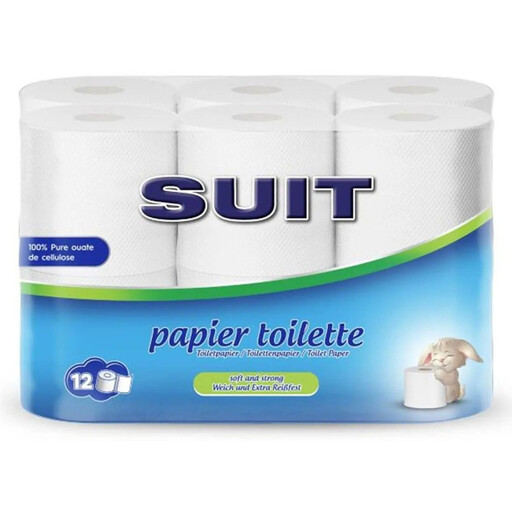
Why it suits this profile: With 12 rolls containing 150 sheets each, this pack is well suited to everyday family use and is stated to be manufactured in France.
The number of sheets per roll and flushing guidance are clearly stated, making it easier to compare offers on a like-for-like basis.
2-ply, 150 sheets per roll, 12 rolls and stated compatibility with septic tanks under certain usage conditions.
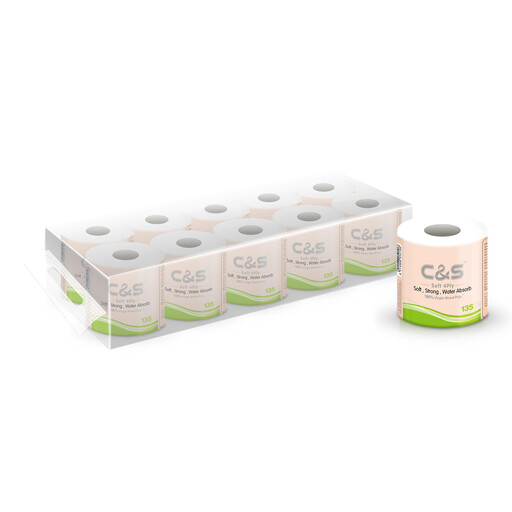
Why it suits this profile: With four plies, 135 g per roll and an unscented formulation, this toilet paper is designed for households that prioritise a thicker sheet for everyday use.
The product page details the ply count, weight and absence of fragrance instead of relying solely on a claim of softness.
4-ply, stated virgin wood pulp, 10 rolls and unscented paper according to the information provided.
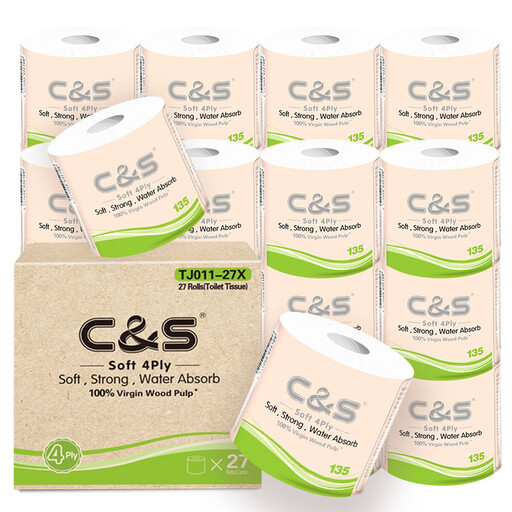
Why it suits this profile: This 27-roll pack is aimed at households that want to shop less often while keeping a substantial supply at home.
The pack size is clearly stated. Before ordering, however, make sure you have a dry storage area with enough room for the stock.
27 rolls, 4-ply, 135 g per roll and an unscented version according to the product page.
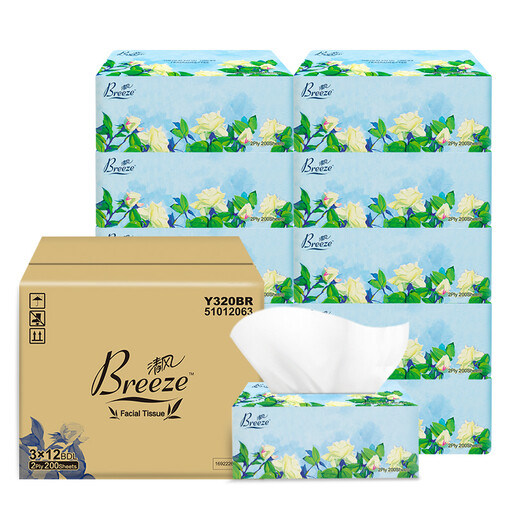
Why it suits this profile: This pack is well suited to families, offices and rooms where several boxes of tissues are used every day.
The total of 7,200 sheets is specified, allowing you to assess the actual quantity rather than focusing only on the number of boxes.
2-ply, 200 sheets per box, stated unscented format and a pack of 36 boxes.
We have brought together an up-to-date selection to help you compare formats, ply counts, quantities and uses across toilet paper and facial tissues.
Soft facial tissues are not a substitute for toilet paper. For blowing your nose, drying your hands or cleaning up small messes, choose a product whose intended use is clearly stated. 3-ply formats generally offer greater strength, while pocket packs are easy to carry.
The C&S Jierou 3-ply pack with 2,000 sheets, the pink C&S 3-ply pack with 960 sheets and Kleenex pocket formats cater to different needs. Tissues should be disposed of in a bin, never flushed, to help prevent blockages.
It depends on the number of people in the household, how frequently the paper is used and how many sheets each roll contains. Compare the total sheet count before choosing between 10, 12 or 27 rolls. A large pack also requires a dry storage area protected from moisture.
Start by checking the compatibility statement on the product page, then follow the guidance specific to your installation. Even paper marketed as suitable for flushing should be disposed of in reasonable quantities. If you are unsure, ask the professional who services your septic tank or plumbing system for advice.
Not necessarily. The cost depends on the weight, sheet count and number of rolls. Thicker paper may require fewer sheets per use, but the difference varies according to each household’s habits. The price per 100 sheets is therefore a more useful indicator than the pack price alone.