Families preparing snacks to take out
If several people are taking a snack with them, check that the pack contains separate individual sachets, or portion it out before you leave. The total weight alone doesn’t tell you how many portions there are.


For regular snacking at home, a large bag may be a good choice if the quantity, date and storage instructions after opening suit your family’s habits. For days out, choose a product that clearly states how many individual packs it contains, and check their weight; a large bag isn’t necessarily pre-portioned. In either case, distinguish between nuts, dried fruit and mixes by checking the ingredients and allergen information.
If several people are taking a snack with them, check that the pack contains separate individual sachets, or portion it out before you leave. The total weight alone doesn’t tell you how many portions there are.
If you regularly share a pack, compare the net quantity and the date shown for each product. A large pack is only practical if you can store its contents properly after opening.
Plain nuts, dried fruit and mixes don’t necessarily contain the same ingredients. France’s DGCCRF reminds shoppers that allergenic ingredients must be highlighted on prepacked food labels. Check the label for the product you’re considering.
First decide whether the pack will mainly be shared at home or used to hand out snacks when you’re out, then check what it contains.
| What matters | What to check | Who is it for? |
|---|---|---|
| Snacks to take out | Whether individual sachets are specified, how many there are and how much they weigh; if not, whether you can portion out the contents before setting off. | When everyone takes their own snack, I want to be able to hand out separate sachets without carrying an opened pack. Around 42% of consumers would prioritise this kind of portioning when out and about. |
| Family-sized quantity | The net quantity, the date shown and the storage instructions after opening. | If the pack will stay at home to be shared, I look for a quantity that suits how quickly we get through it. Around 33% of consumers would prioritise choosing the right pack size. |
| Ingredients and safety | The ingredients, sugars and salt per 100 g, as well as allergens and any ‘may contain’ statements. | With different preferences or an allergy in the family, I need to know exactly what’s in the mix. Around 25% of consumers would put the recipe and related precautions first. |
These claims relate to different aspects of the recipe. A mix may be labelled ‘no added salt’ but still contain sweetened fruit or other ingredients.
Read the ingredients list and the ‘sugars’ and ‘salt’ lines in the nutrition information. If you’re looking for unsalted, unsweetened nuts, check the specific product rather than relying on the name of the mix.
A mix may contain several types of nuts or state that it may contain traces of other allergens. Whole nuts also require particular care around young children because of the risk of choking.
Check the label every time you buy, especially if the recipe has changed, and choose a form that’s suitable for young children’s age.
The total weight and a picture of a pack don’t prove that it contains smaller sachets ready to hand out.
Look for the number and weight of the individual sachets on the product page or packaging. If this information isn’t provided, plan to portion out the contents before you head out, if needed.
Its range includes dried fruit, nuts and mixes, with several pack sizes available depending on the product.
The Tokapi and Couleurs Vives products reviewed show the variety of recipes available in mixes.
Its range includes almonds, nuts, dried fruit and mixes, with some products available in larger packs.
The Alesto range includes nuts, dried fruit and savoury snacks.
A French TRADER JOE'S® product page features, among other things, roasted almonds with no added salt.
Its range combines Monoprix and Monoprix Bio products with other brands of dried fruit and nuts.
These two products are included as options for sharing fruit snacks in individual sachets when you’re out and about. Their pack format doesn’t remove the need to check the ingredients and warnings for each product.
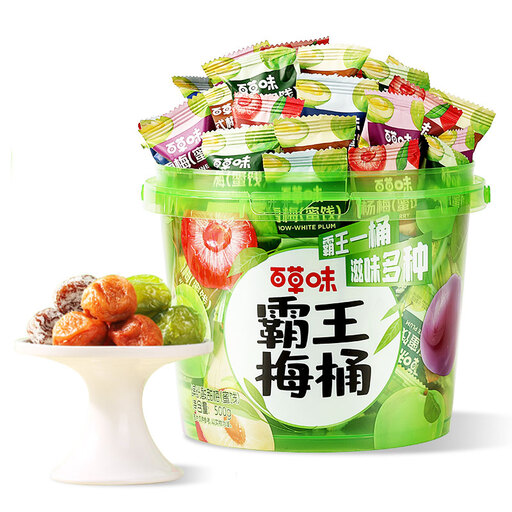 Image unavailable
The bucket contains 70 sachets, making it handy for sharing snacks between several people before a trip. Check the weight of each sachet on the packaging. The ingredients list includes sulphites and the colour E124, so read the warning carefully, particularly if the product is for children.
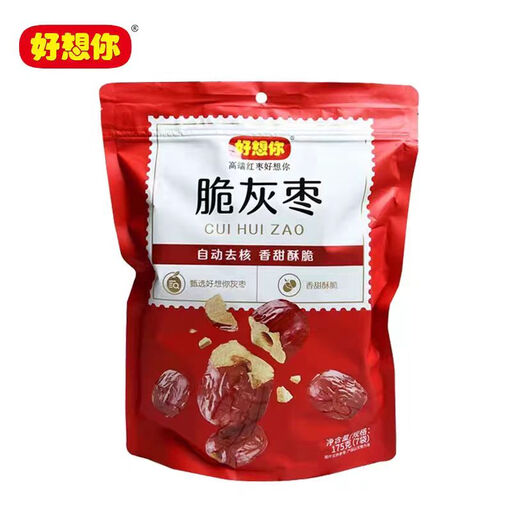 Image unavailable
The 7 sachets of jujubes make it easy to hand out separate snacks to take with you. Check the weight of each sachet and the date on the packaging, then look at the ingredients and the ‘sugars’ line in the nutrition information to see whether it suits your family’s preferences.
Look for a clear statement of how many individual sachets the pack contains, then check their weight on the product page or packaging. The total weight of a pack isn’t enough to confirm that it contains separate portions.
No. A claim about salt doesn’t tell you whether sweetening ingredients have been added. For E.Leclerc’s Tokapi mix labelled ‘no added salt’, check the ingredients list and the ‘sugars’ per 100 g before deciding whether the recipe is right for you.
Check the ingredients list and any ‘may contain’ statements on the pack you’re considering. For prepacked food sold in France, the DGCCRF reminds shoppers that allergenic ingredients must be highlighted.
Check the date shown for the product and the storage instructions after opening, then choose a quantity that suits how quickly you’ll use it. A date that applies to the unopened pack doesn’t replace the instructions for once it’s been opened.