Households comparing fat content
You want to check the value per 100 g rather than rely on a recipe description or Nutri-Score alone.


To choose a large pack of pasta sauce while keeping fat content in mind, first compare the values per 100 g, then pick a jar you can use within the time stated after opening. A 650 to 700 g pack may suit you if you’re planning several portions; a 400 to 425 g jar may help reduce leftovers if you use the sauce more slowly. Nutri-Score is no substitute for checking the nutritional values.
You want to check the value per 100 g rather than rely on a recipe description or Nutri-Score alone.
You’re looking for a large jar, but its size still needs to suit your planned meals and the storage instructions after opening.
You also check the ingredients, salt content and any allergen or ‘may contain’ statements on the product you plan to buy.
Start with the criterion that matters most to your household, then check the others on the jar you choose. The DGCCRF notes that nutritional values shown per 100 g or 100 ml make it easier to compare prepacked foods.
| Criterion | What to check | Who this matters to |
|---|---|---|
| Fat content | Compare the fat and saturates per 100 g on the jars you’re considering. | When I’m limiting fat, I want to compare figures rather than rely on wording on the pack; around 50% of shoppers concerned would make this their priority. |
| Pack size and storage | Match the jar’s weight to the meals you’ve planned and check the instructions for after opening. | If I’m planning several meals, I want enough sauce without having to throw the rest away; pack size would be the priority for around 30% of shoppers concerned. |
| Ingredients | Check the ingredients, salt per 100 g, and any allergen or ‘may contain’ statements. | I also need to consider salt or allergens, even in a tomato-based recipe; for around 20% of shoppers concerned, ingredients would come first. |
A description such as ‘very low in fat’ isn’t enough on its own to compare two sauces per 100 g.
If you’re following a specific limit, check the ‘fat’ line in the nutrition table on the jar you’ve chosen.
Storage times after opening vary by product. For example, Auchan advises consuming its tomato pulp with basil within 48 hours of opening.
Plan which meals you’ll use the jar for and follow the storage instructions on the packaging.
Two tomato-based products may differ in their ingredients, salt content and allergen information. The Auchan Bio product information, for example, notes that its basil version may contain traces of celery, milk and mustard.
Check this information on each product if it matters to your household. Don’t infer it from the product name or Nutri-Score.
Panzani offers tomato sauces in jars of up to 650 g.
Barilla’s tomato sauces include Sauce Basilico, available in 200 g and 400 g packs according to the brand.
Carrefour Classic' tomato and basil sauce comes in a 420 g jar.
The E.Leclerc product listing shows Turini tomato and basil sauce in a 420 g jar.
Auchan offers organic tomato pulp with basil in a 400 g jar. This is different from a ready-seasoned sauce.
These larger packs include pasta sauces and tomato bases you can use to make a sauce. Check the product type, fat content per 100 g and instructions for after opening: tomato purée and ready-made sauce don’t quite serve the same purpose.
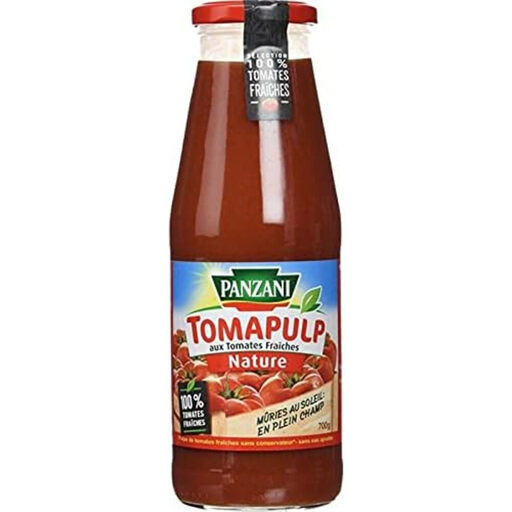 Image unavailable
This size may suit you if you’re planning several portions of pasta. Compare the fat content per 100 g on the jar and make sure you can use the rest within the time stated after opening.
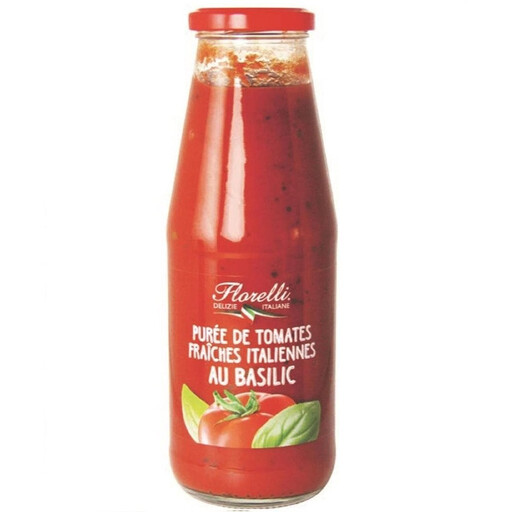 Image unavailable
This purée can be used as a base if you’re making your own sauce for several meals. Consider any ingredients you’ll add and check how long it keeps after opening.
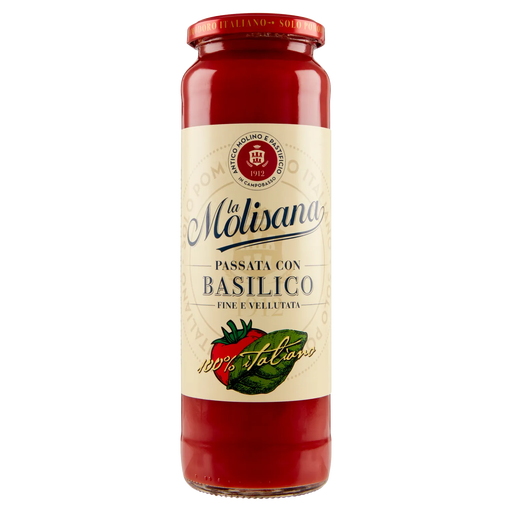 Image unavailable
This large jar is suited to households that want to make a sauce using tomatoes and basil. Before choosing it, match its size to the meals you’ve planned and check the instructions for after opening.
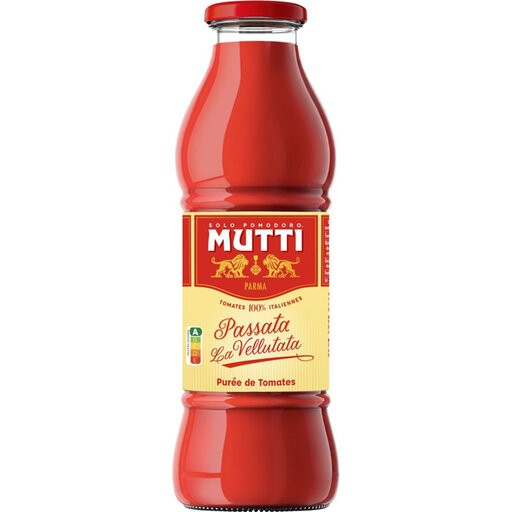 Image unavailable
This passata can be used as a base for a sauce to serve with several portions of pasta. If you add other ingredients, consider the nutritional values of the finished dish and check the storage instructions on the container.
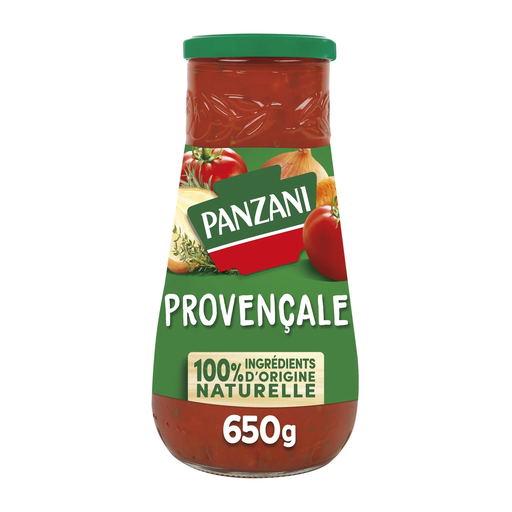 Image unavailable
This large jar of sauce can accompany several portions of pasta. If fat content is a priority, compare its value per 100 g with the other sauces you’re considering and plan how you’ll use the jar after opening.
Compare the ‘fat’ value per 100 g, then check saturates if that information matters to you. The DGCCRF explains that nutritional values shown per 100 g or 100 ml allow prepacked foods to be compared on the same basis.
No. For this specific criterion, check the fat content per 100 g. The E.Leclerc listing gives Turini sauce a Nutri-Score A, but also shows its fat and salt values separately. Compare those figures according to your priorities.
Follow the time stated on the product you’ve bought, as it varies by product. For its tomato pulp with basil, Auchan Bio advises keeping it in the fridge and consuming it within 48 hours of opening. This instruction doesn’t automatically apply to other jars.
Check the ingredients, listed allergens and any ‘may contain’ statements on the exact jar. The Auchan Bio listing notes that its basil version may contain traces of celery, milk and mustard; check the ingredients of other products separately.