If you’re relying on the pasta itself to add more protein to your meal, compare protein-enriched ranges using the nutritional values per 100 g. If you’re already planning another source of protein for your plate, a large pack of regular pasta could provide enough for several meals. Bear in mind, though, that pack size doesn’t tell you how much protein it contains.
Who is this option for?
Households looking to compare the protein in different pastas
If you want pasta to contribute more protein to your meal, the nutritional information for each recipe matters more than the pack size. Barilla states that its Protein+ range contains 20 g of protein per 100 g; Panzani states that Les Protéinées contains 20 g per serving. To compare them, use the per-100 g values shown on the packaging.
Households preparing several meals with a side dish
If your meals already include another source of protein, a 1 kg pack of regular pasta or a multipack could provide the quantity you need. Net weight and pasta shape then become practical considerations, but they don’t replace checking the nutritional information.
Shoppers who check ingredients and allergens
A protein-enriched recipe may combine wheat with pea protein or contain added wheat protein. If you’re buying several packs of the same product, check the ingredients list and allergen information on the exact packaging.
What should you look for?
First decide whether you want the pasta itself to provide more protein, or whether you’re mainly looking for enough to make several meals. Once you’ve decided, compare the ingredients and shapes of the products you’re considering.
Protein-enriched pasta
Worth considering: when the pasta’s contribution to your meal’s protein is your main priority.
Check: the net weight and ingredients of your chosen product. A protein-enriched range doesn’t necessarily come in a family-size pack.
Large packs of regular pasta
Worth considering: when you’re cooking several meals and planning to include another source of protein on your plate.
Check: the protein content of the recipe. A 1 kg pack meets your quantity needs, but not necessarily your nutritional requirements.
| Consideration |
What to check |
Who it matters to |
| Protein in the pasta |
Compare the protein per 100 g and check which ingredients provide it. |
If I want pasta to contribute more protein to my meal, its ingredients matter more than the pack size. Around 42% of shoppers make this their top priority. |
| Enough for several meals |
Check the net weight and, for a multipack, the number and weight of the individual packs. |
I’m preparing several meals with another source of protein and mainly need enough pasta for my household. This is the top priority for around 33% of shoppers. |
| Ingredients and allergens |
Read the ingredients list and allergen information for the exact product. |
If certain ingredients need to be avoided, the recipe matters more than the pack size. Around 17% of shoppers make this their top priority. |
| Pasta shape |
Choose a shape you use in your usual recipes, then check the ingredients of that particular product. |
For meals I prepare regularly, I want a pasta shape that works with my household’s favourite dishes. Around 8% of shoppers make this their top priority. |
Mistakes to avoid
-
Assuming “large pack” means “protein-enriched”
A 1 kg pack tells you how much pasta you’re buying; the protein content depends on the recipe. Large packs of regular pasta and protein-enriched ranges therefore won’t necessarily meet the same needs.
Decide whether you want the protein to come from the pasta or another food in the meal, then compare the per-100 g values and net weights of the products you’re considering.
-
Choosing a protein-enriched range without checking the ingredients
Barilla describes Protein+ as a recipe made with durum wheat semolina and pea protein; Panzani lists durum wheat, wheat protein and pea protein for Les Protéinées. If you need to avoid an ingredient, what’s in the recipe matters just as much as the range name.
Check the ingredients and allergen information on each product you buy, including those in a multipack.
-
Choosing what to eat based on just one nutritional value
The protein content tells you about the pasta itself, not the make-up of the whole meal.
Consider the nutritional information for the pasta alongside the other foods you’re planning to serve.
Brands to compare
Barilla
Barilla offers large packs of regular pasta as well as its separate Protein+ range.
- Barilla says Protein+ combines durum wheat semolina and pea protein, providing 20 g of protein per 100 g.
- The fact that Barilla regular pasta comes in a 1 kg pack doesn’t mean that Protein+ products come in the same pack size.
Panzani
Panzani offers regular pasta in 1 kg packs and a separate range, Les Protéinées.
- Panzani says Les Protéinées combines durum wheat, wheat protein and pea protein; the brand states that it contains 20 g of protein per serving.
- A large pack of Panzani regular spaghetti shouldn’t be confused with a Les Protéinées product. To compare the ranges, check their per-100 g values.
Carrefour
Carrefour spaghetti in a 1 kg pack offers a point of comparison for large packs of regular pasta.
- Carrefour’s product information describes a recipe made with durum wheat semolina and provides its ingredients and nutritional information.
- This is a regular pasta product, not a protein-enriched one. Check the allergen information too.
Auchan
Auchan’s range includes its own-brand small pasta shapes, spaghetti, twists and macaroni in 1 kg packs.
- These different shapes make it easier to find a large pack to suit your household’s recipes.
- To check the protein content and allergens, look at the information for the product you’ve chosen rather than relying on its net weight alone.
Lustucru
Auchan stocks 500 g packs of Lustucru small pasta shapes made with fresh eggs.
- This product can be included in a comparison of pasta shapes and ingredients.
- Its 500 g pack shouldn’t be confused with a family-size 1 kg pack or a protein-enriched recipe.
Large packs of regular pasta on Joybuy
This selection features regular pasta in 1 kg packs, which may suit several meals if you’re planning to include another source of protein on your plate. If you want the pasta itself to provide more protein, compare its nutritional information with that of protein-enriched pasta.
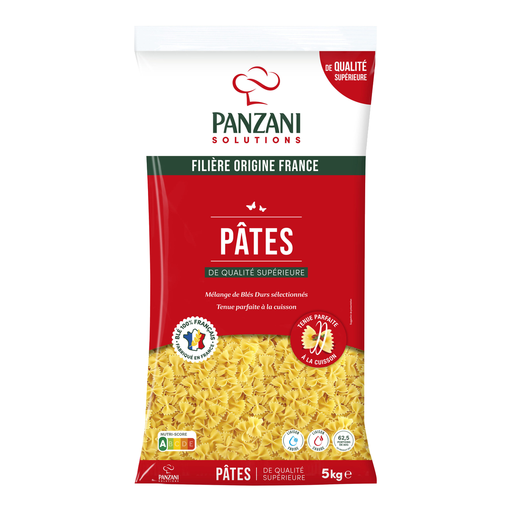 Image unavailable
Panzani farfalle, 1 kg pack
This pack may suit several meals if you’re planning to include another source of protein. Before adding it to your meals, check the pack for protein per 100 g, ingredients and allergen information.
View on Joybuy
Frequently asked questions
Does a 1 kg pack of pasta necessarily contain more protein?
No. 1 kg tells you how much pasta you’re buying, not how much protein it contains per 100 g. If you’re comparing a large pack of regular pasta with a protein-enriched recipe, check the nutritional information for each product on the same basis.
Should you choose protein-enriched pasta for every high-protein meal?
Not necessarily. Regular pasta can be part of a meal that includes another source of protein. If you want the pasta itself to provide more protein, compare protein-enriched recipes and their ingredients before you choose.
How can you check allergens in a multipack of pasta?
Read the allergen information and ingredients list on the packs in the multipack. Regular and protein-enriched recipes can differ, so check the details for the exact product, including durum wheat semolina, added wheat protein and any warnings about traces.
Does added plant protein mean the pasta is wheat-free?
No. Barilla lists durum wheat semolina in Protein+, while Panzani lists durum wheat and wheat protein in Les Protéinées. If you need to avoid wheat, don’t rely on the word “plant-based”; check the ingredients on the packaging.


