Parents preparing several lunchboxes in advance
You make pasta for several school meals and want a container that suits the amount you use each time, without leaving a large jar open unnecessarily.


When preparing several secondary school lunchboxes, choose a size that suits the amount of sauce you use each time. A large jar is a good choice if you can use the remainder in line with the storage instructions, while a multipack lets you keep one jar sealed for another occasion. For a smaller batch, a 400–420 g jar may be enough. Check the ingredients and allergens for the product you buy: you can’t tell whether a pasta sauce contains gluten from its category alone.
You make pasta for several school meals and want a container that suits the amount you use each time, without leaving a large jar open unnecessarily.
You check the ingredients in every recipe. If a food allergy means adjustments are needed at secondary school, the French Ministry of National Education says an individual care plan (PAI) can be arranged with the school.
Start with the amount of sauce you use each time, then check the recipe and storage instructions for the jar you choose. Panzani, for example, offers a 650 g Provençal sauce; Auchan also lists a multipack of two 400 g jars of Panzani Tomates Cuisinées.
| Criterion | What to check | Who is it for? |
|---|---|---|
| Size and leftovers | Compare the net weight, number of jars and instructions for storage after opening. | I prepare several portions at once, but want to be able to use an opened jar in line with the instructions on its label; around 42% of consumers rank this as their top priority. |
| Allergens and school | Read the ingredients and allergen information for the product you’re buying. If any arrangements have been agreed with the school, take these into account. | If a pupil needs to avoid an ingredient, I need to choose the specific sauce based on its ingredients and the school’s guidance; around 33% of consumers rank this as their top priority. |
| Type of recipe | Distinguish between a ready-seasoned sauce and a cooking sauce base, and check the nutritional information if you’re comparing two recipes. | When I make pasta, I want to know whether I can use the sauce as it is or whether it needs further preparation; around 25% of consumers rank this as their top priority. |
A 650 g jar and a multipack of two 400 g jars won’t necessarily leave you with the same amount of open sauce after preparing a meal.
Estimate how much you’ll use for your lunchboxes and read the storage instructions before choosing a container.
An opened jar can go to waste if you can’t use the remainder in time.
Barilla describes its Basilico Sauce as gluten-free. That doesn’t tell you anything about a different recipe.
Check the packaging of the product you buy and, if school arrangements are needed, follow the guidance agreed with the school.
A seasoned tomato sauce, a cheese sauce and a sauce base may have different ingredients and uses in cooking.
First choose the type of preparation you want, then compare the ingredients and nutritional information for the products you’re considering.
Panzani says its Tomates Cuisinées Sauce is available in 210 g, 400 g and 650 g sizes; Auchan also lists a pack of 2 × 400 g.
Barilla offers its Basilico Sauce in 200 g and 400 g jars, and labels this recipe as “gluten-free”.
The Carrefour range includes a 420 g Carrefour Classic' tomato and basil sauce.
E.Leclerc’s range includes a 420 g jar of Turini Arrabbiata sauce.
In its tomato and vegetable sauce category, Auchan lists own-brand products in 190 g and 340 g sizes.
This selection includes large containers for preparing several portions of pasta, as well as a 400 g jar for a smaller batch. Buitoni’s sauce base is different from ready-made sauces, so check that it suits the recipe you have planned for the lunchbox.
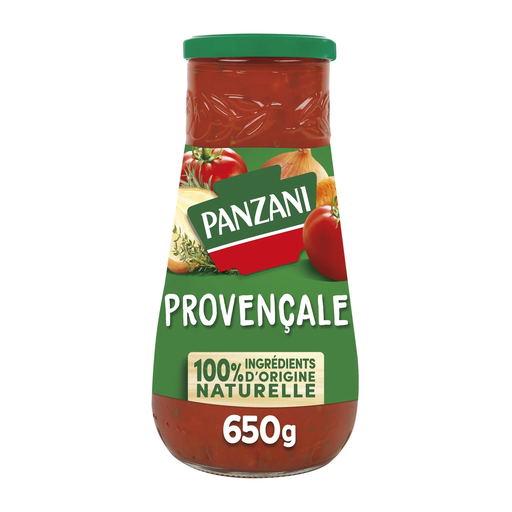 Image unavailable
The 650 g jar is suitable for preparing several portions. According to the product listing, refrigerate the sauce after opening and use within 3 days. Check the packaging for allergen information too.
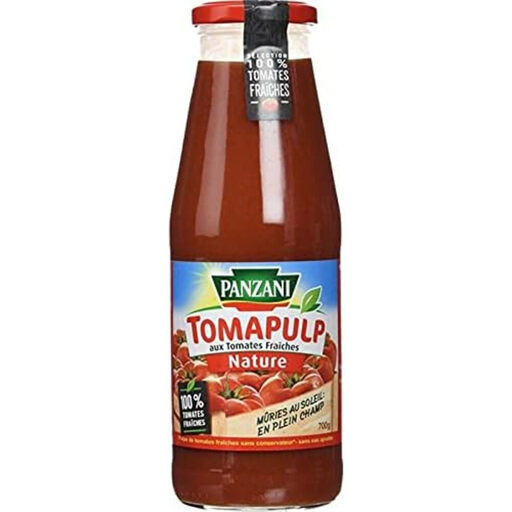 Image unavailable
The 700 g container can be used to prepare several portions of pasta. The product listing says to refrigerate it after opening and use within 5 to 7 days. Check the packaging for ingredients and allergen information.
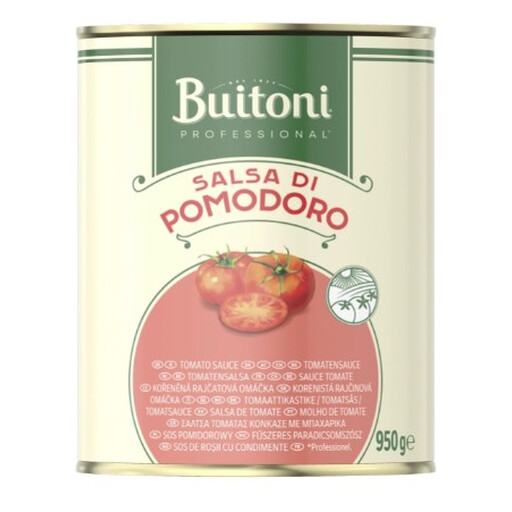 Image unavailable
With a 950 g container, you’ll need to plan how to use the sauce after preparing a batch. The product listing says to refrigerate it after opening and use within 5 days. Check the packaging for allergen information.
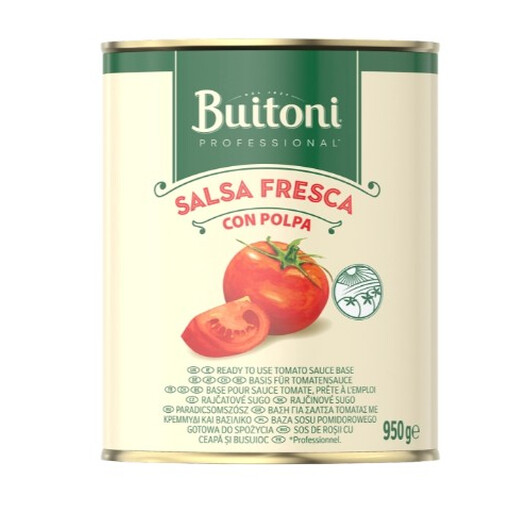 Image unavailable
This 950 g sauce base is suitable for batch cooking if you’d rather make the sauce yourself than use a ready-seasoned recipe. The product listing says to refrigerate it after opening and use within 5 days. Check the packaging for its ingredients.
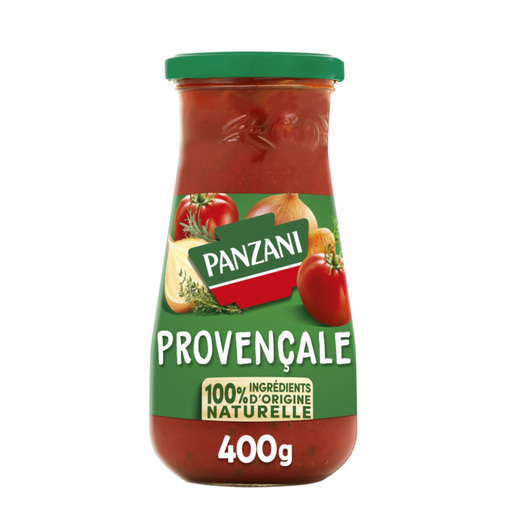 Image unavailable
The 400 g jar is a smaller option for preparing a modest amount. According to the product listing, refrigerate it after opening and use the sauce within 5 to 7 days. Check the packaging for allergen information.
No. Barilla, for example, describes its Basilico Sauce as gluten-free. This applies to that recipe; for the sauce you’re buying, check the ingredients and allergen information on the packaging.
Check the net weight, ingredients, allergens, nutritional information and storage instructions for after opening. These details help you choose a suitable recipe and plan how to use the opened jar.
Choose a sauce based on its ingredients and any individual arrangements agreed with the school. The French Ministry of National Education says an individual care plan (PAI) can be arranged when a pupil needs a special diet.