Families who often use tomato sauce
If you regularly cook pasta for several people, the jar size matters just as much as whether you can use all of its contents after opening.


For family pasta meals, choose between a ready-made sauce and a tomato base to cook with, depending on the ingredients you want, the time you have to prepare it and how much you’ll actually use. Compare the nutritional values per 100 g of similar products and consider the amount you’ll serve: a large jar alone doesn’t determine what goes into your meal.
If you regularly cook pasta for several people, the jar size matters just as much as whether you can use all of its contents after opening.
When comparing ready-made sauces, check the nutritional values per 100 g, the ingredients list and the Nutri-Score, if shown, rather than focusing on the pack size alone.
Tomato pulp or purée lets you choose which ingredients to add to a family meal, although it does mean spending more time in the kitchen.
To choose between a ready-made sauce and a tomato base, first decide what you want to make. Then choose a size that suits your planned meals and the storage instructions after opening.
| What to consider | What to check | Who is it for? |
|---|---|---|
| Nutritional composition | Compare the values per 100 g of sauces in the same category and check the ingredients. The Nutri-Score can also help if it’s shown. | If I’m choosing a ready-made sauce, I want to compare recipes on a like-for-like basis rather than rely on the jar size. Around 40% of consumers would make this their priority. |
| Size and storage | Match the jar size to your planned meals, then read the storage instructions for after opening. | If I’m cooking for several people, I want to use up the jar as directed rather than leave unused leftovers. This would be the main priority for around 30% of consumers. |
| Preparing the recipe | Tell the difference between a cooked sauce and tomato pulp or purée that you’ll need to season. | I’d rather spend time preparing the dish so I can choose what to add to the tomato base myself. Around 20% of consumers would put this first. |
| Ingredients to avoid | Check the ingredients list and allergen information for the exact product. | Before comparing sizes, I need to know whether the recipe suits my household’s dietary requirements. Around 10% of consumers would check this before anything else. |
A larger size can make shopping for several meals easier, but it doesn’t determine how much sauce you use each time. Once opened, the jar must also be stored according to the product’s instructions.
Choose a size that suits your planned meals and read the instructions on the packaging.
If you can’t use the contents as directed, some of it may end up going to waste.
Ingredients and allergen information vary from product to product. For example, Carrefour notes that its Organic Tomato and Basil Sauce may contain traces of wheat, celery, milk and mustard.
Check the label on the jar you buy, and don’t assume a note about one recipe applies to the whole range.
Claims such as ‘organic’ or ‘no preservatives’ don’t replace the ingredients list or nutritional information. If shown on the product, the Nutri-Score is another useful addition to this information.
To compare similar sauces, check the values per 100 g and the ingredients, then decide how much to serve alongside the rest of your meal.
Panzani says its Tomato and Basil Sauce is available in 210 g, 400 g and 650 g jars.
Barilla’s Basilico Sauce is available in 200 g and 400 g sizes.
Carrefour Classic’ Tomato and Basil Sauce comes in a 420 g jar.
Carrefour Bio offers a tomato and basil sauce in a 350 g jar.
E.Leclerc lists Turini Tomato and Basil Sauce in a 420 g size.
This Joybuy selection includes tomato bases for cooking with, as well as a large-format tomato sauce. For the bases, allow time and set aside the ingredients you’ll need for your chosen recipe. Whatever the size, check the storage instructions after opening.
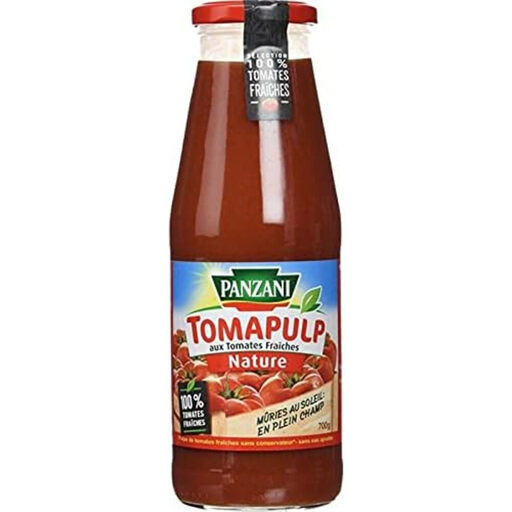 Image unavailable
Worth considering if you use tomato sauce for several pasta meals and can finish the jar by following its storage instructions after opening.
Size: 700 g. Compare this product’s ingredients and nutritional values with those of the other sauces you’re considering.
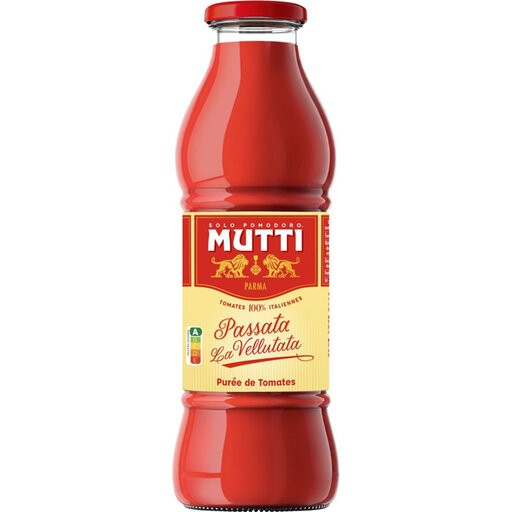 Image unavailable
This passata is suitable for households who want to make their own sauce from a tomato base rather than use a ready-made sauce.
Size: 700 g. Allow for the other ingredients in your recipe and check the storage instructions after opening.
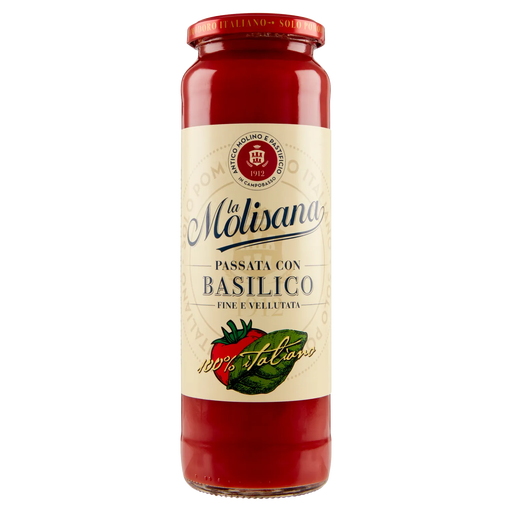 Image unavailable
This tomato and basil base is for households who want to finish making their own sauce.
Size: 690 g. Plan how you’ll use it after opening in line with the product instructions.
 Image unavailable
This size could suit you if you want to make a sauce from tomato purée without buying a 700 g jar.
Size: 500 g. ‘Zero Pesticides’ is part of the product name. Check the packaging for product details and storage instructions after opening.
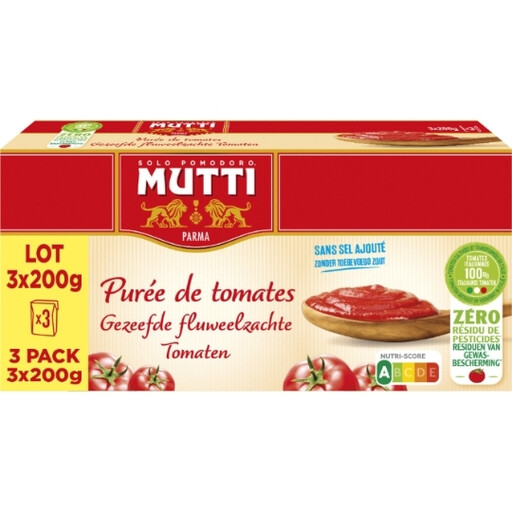 Image unavailable
The three individual packs let you make sauces on different occasions without opening all 600 g at once.
Pack of 3 × 200 g. Check the ingredients list on the packaging, including whether salt is present, and follow the instructions for storing an opened pack.
No. If shown, it can help you compare similar products, but it doesn’t replace the nutritional information or ingredients list. Santé publique France says that displaying it is voluntary. Also check the values per 100 g and how much sauce you plan to serve.
Only if its size suits your planned meals and you can use the contents in line with the instructions after opening. The size alone doesn’t tell you what’s in the recipe or how much to serve.
First, compare products in the same category on an equal basis, including their nutritional values per 100 g and their ingredients. The DGCCRF notes that pre-packed food labels include, among other things, an ingredients list, a nutrition declaration and a net quantity. Also check the information on each product that’s relevant to your household.
Match the jar size to the number of meals you plan to prepare, then follow the storage instructions provided by the manufacturer. Check the packaging of your chosen product for guidance on what to do after opening.