Households looking to share a ready meal
A meal labelled as serving three or four people makes organising dinner easier. However, check that the stated portions match what you’ll serve, and look at the protein content for that amount.


For a family meal where protein is particularly important, compare the grams of protein in the portion you’ll actually serve and check the ingredients, rather than looking only at the pack weight. A ready meal saves you having to put the meal together, while separately prepared frozen fillets let you adjust portion sizes. A single-serving meal is no substitute for a sharing-size option.
A meal labelled as serving three or four people makes organising dinner easier. However, check that the stated portions match what you’ll serve, and look at the protein content for that amount.
Frozen bags of meat or fish that you cook yourself let you prepare each person’s portion and side dishes separately. They take more preparation than a ready meal.
A single-serving recipe with its protein content clearly stated can be a good fit when you only need one meal. However, its packaging won’t meet the needs of a family meal.
To compare a sharing meal with frozen ingredients you’ll cook yourself, start with the portion you plan to serve. Then check the nutritional information and ingredients for the recipe you’re considering.
| Criteria | What to check | Who it matters to |
|---|---|---|
| Protein per portion | Compare the protein content per 100 g, then for the amount you’ll actually serve. Also check which ingredients make up the meal. | If I’m dividing a large meal between several people, I want to know how much protein each plate contains. Around 31% of consumers would put this measurable protein content first. |
| Format and portions | Compare the net weight with the stated number of portions, and check that the pack will fit in your freezer. | For a meal to share, I want the stated portions to match the amounts I serve at home. Portion control would be a priority for around 25% of consumers. |
| Ingredients | Read the ingredients and allergen information. Pay particular attention to salt and any other nutritional values that matter to you. | When I’m choosing between two recipes, I want to take their ingredients and any dietary restrictions into account. Around 25% of consumers would make their choice based first on the ingredients. |
| Availability | Check that the product and format are available at your store or for your chosen collection option. | If I’m planning several meals around the same format, I need to be able to find it when I shop. Availability would be the main consideration for around 19% of consumers. |
The weight of a family meal includes all its ingredients. CLCV also reports differences in nutritional composition between ready meals in the same category.
Compare the protein per portion you’ll serve and per 100 g, then read the ingredients list before choosing a recipe.
Examples listed by Auchan include a 900 g meal for three portions and another weighing 1 kg for four portions. These figures don’t necessarily reflect the amount you’ll serve at home.
Work out how much each stated portion represents and compare it with how you plan to share the meal.
If the portions are too small for your meal, you’ll need to serve something else alongside it.
A recipe listed in a catalogue isn’t necessarily a reliable choice for your regular shop: availability can vary by store and season.
Check whether the product is available at your store or for your chosen collection option before planning meals around it.
ANSES reminds consumers that keeping food at a low temperature limits the growth of micro-organisms.
Pick up frozen food at the end of your shop, put it in the freezer promptly and follow the storage and defrosting instructions on each pack.
Carrefour offers, among other things, frozen ingredients in large bags and family-size meals.
The E.Leclerc catalogue lets you browse both frozen ingredients to cook yourself and ready meals.
Auchan has a family ready-meal category, with product listings that show the pack size and number of portions.
Lidl’s frozen food range includes ready meals as well as meat and poultry products.
Aldi offers frozen products for everyday meals, including some prepared recipes.
Picard distinguishes its sharing meals from individual recipes in its high-protein range.
These products are mostly frozen fish and chicken fillets to cook yourself and portion as needed, along with a pack of several chicken cordon bleus. To compare their protein content, use the nutritional information for the amount you’ll actually serve.
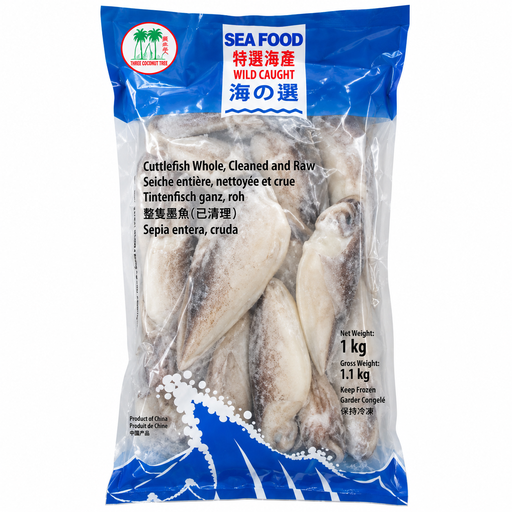 Image unavailable
Frozen fish to prepare and divide between diners, rather than a ready-made meal.
The title states that the pack weighs 1 kg and the product is glazed. Check the amount of usable fish and calculate the protein content based on the portion served.
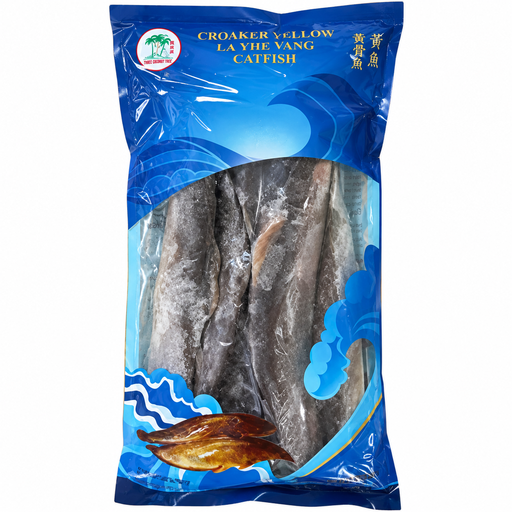 Image unavailable
This frozen fish is suitable for a meal where you prepare the portions and side dishes separately.
The title states that it has 15% glaze. To plan your portions, check the weight of the usable fish and the basis for the nutritional information on the pack.
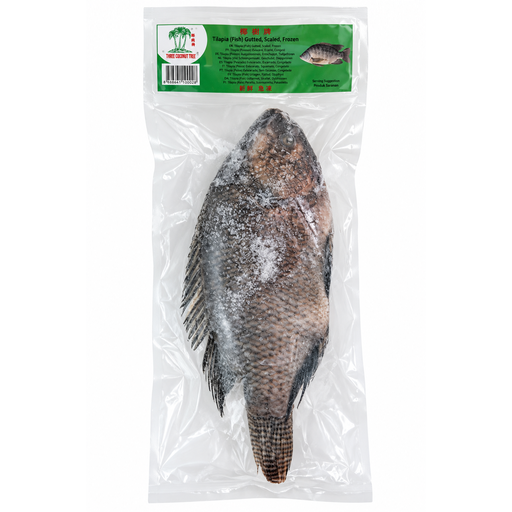 Image unavailable
Frozen fish to cook yourself when you want to decide how much to serve each person.
The title states that it has 20% glaze. Check the fish weight excluding the glaze and the exact product description before planning your portions.
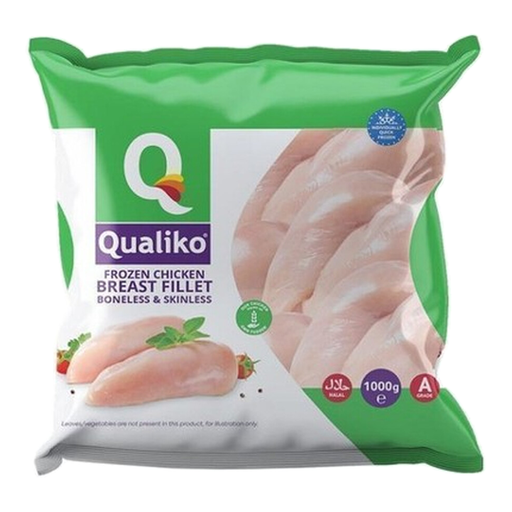 Image unavailable
Frozen chicken fillets to cook separately if you want to portion them for your household.
The stated pack size is 1 kg. Check the pack for cooking instructions and nutritional information for the portion you’ll serve.
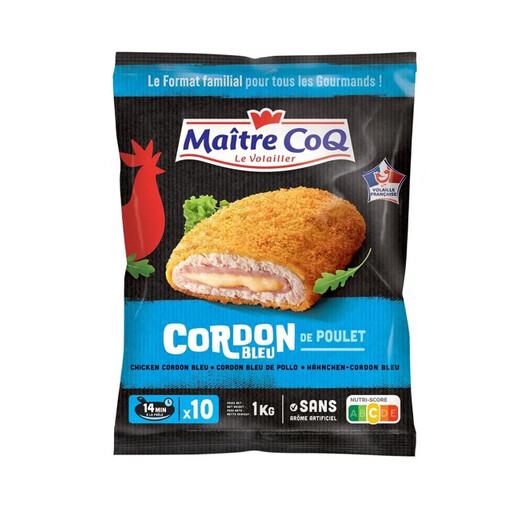 Image unavailable
This product comes in individual pieces, so you can serve them without dividing a single meal between plates.
The title states that the pack contains ten pieces and weighs 1 kg. Check the protein, salt and allergen information for the amount you plan to serve.
Work out the protein content for the amount you’ll serve, using the figure given per 100 g or per portion. Check the ingredients too: the total weight and number of portions alone don’t tell you how much protein will be on each plate.
No. Nutri-Score doesn’t replace checking the protein per portion, ingredients, salt and allergens. CLCV found differences in nutritional composition among 150 fresh and frozen ready meals, including meals in the same category.
Follow the instructions on the pack, and don’t refreeze a defrosted product if the instructions say not to. ANSES highlights the importance of keeping food chilled, so put frozen products away promptly after shopping and follow their storage instructions.
For prepacked food, check details such as the product name, net quantity, ingredients and nutritional information. DGCCRF explains these requirements in its guidance on labelling rules in France. Also check the allergen and storage information for the product you choose.