Which features should you prioritise?
First, work out what you need to load and where the appliance will go. You can choose a high-capacity model whether you want a freestanding or integrated appliance: capacity isn’t a third type of installation in its own right.
| Feature |
What to check |
Who is it for? |
| What you actually load |
Number of place settings, adjustable basket height and space for large dishes. |
If pans and dishes go in with your cutlery every day, avoiding the need to split the washing-up into multiple loads is a priority. Around 31 % of consumers put this loading requirement first. |
| Installation |
Installation type, housing dimensions and cabinet-door requirements listed in the instructions. |
If my kitchen is already fitted, I want to make sure the door and connections will fit before choosing a capacity. This compatibility is the top priority for around 25 % of consumers. |
| Everyday use |
Energy use in kWh per 100 cycles, water use in litres per cycle and Eco programme duration, for a similar capacity. |
For frequent cycles, I want to understand the running costs without overlooking how long the Eco programme takes. Around 25 % of consumers prioritise running costs above all else. |
| Maintenance and risks |
Terms for the leak protection system, repairability index and maintenance requirements for the model. |
If I need the appliance to last, I want to be able to check the parts and maintenance requirements, and find out exactly what the leak protection covers. These considerations come first for around 19 % of consumers. |
Dishwashers to consider on Joybuy
These models are suited to regular family washing-up: four freestanding appliances listed as having 14 place settings and one fully integrated model listed as having 13. Compare the loading space and your kitchen’s requirements before choosing between the two installation types.
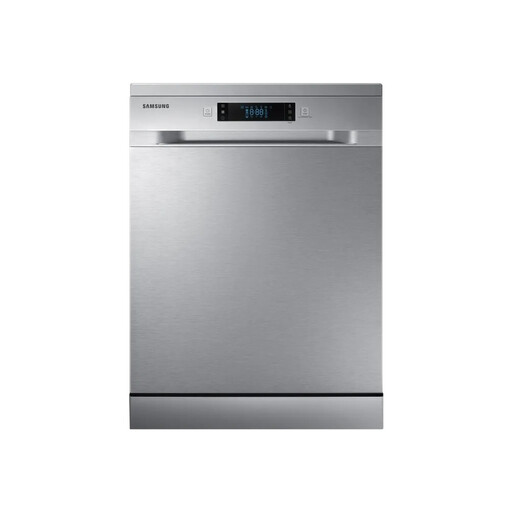 Image unavailable
Samsung DW60M6050FS — 14 place settings
Worth considering if you’re looking for a freestanding appliance for family-sized loads. The product title lists 14 place settings and seven programmes. Check that your large dishes will fit alongside the cutlery in the basket layout you plan to use. Also check the Eco cycle duration to help plan your everyday washing-up.
View on Joybuy
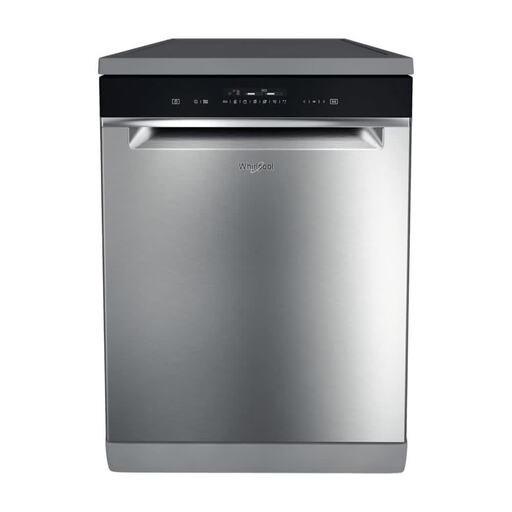 Image unavailable
Whirlpool WFP5O41PLGX — 14 place settings, C rated
Worth considering for larger loads if you’d prefer a freestanding model. It’s listed as having 14 place settings and a C energy rating. The product title states 60 cm, but the dimensions given don’t match. Confirm the actual width before planning where it will go.
View on Joybuy
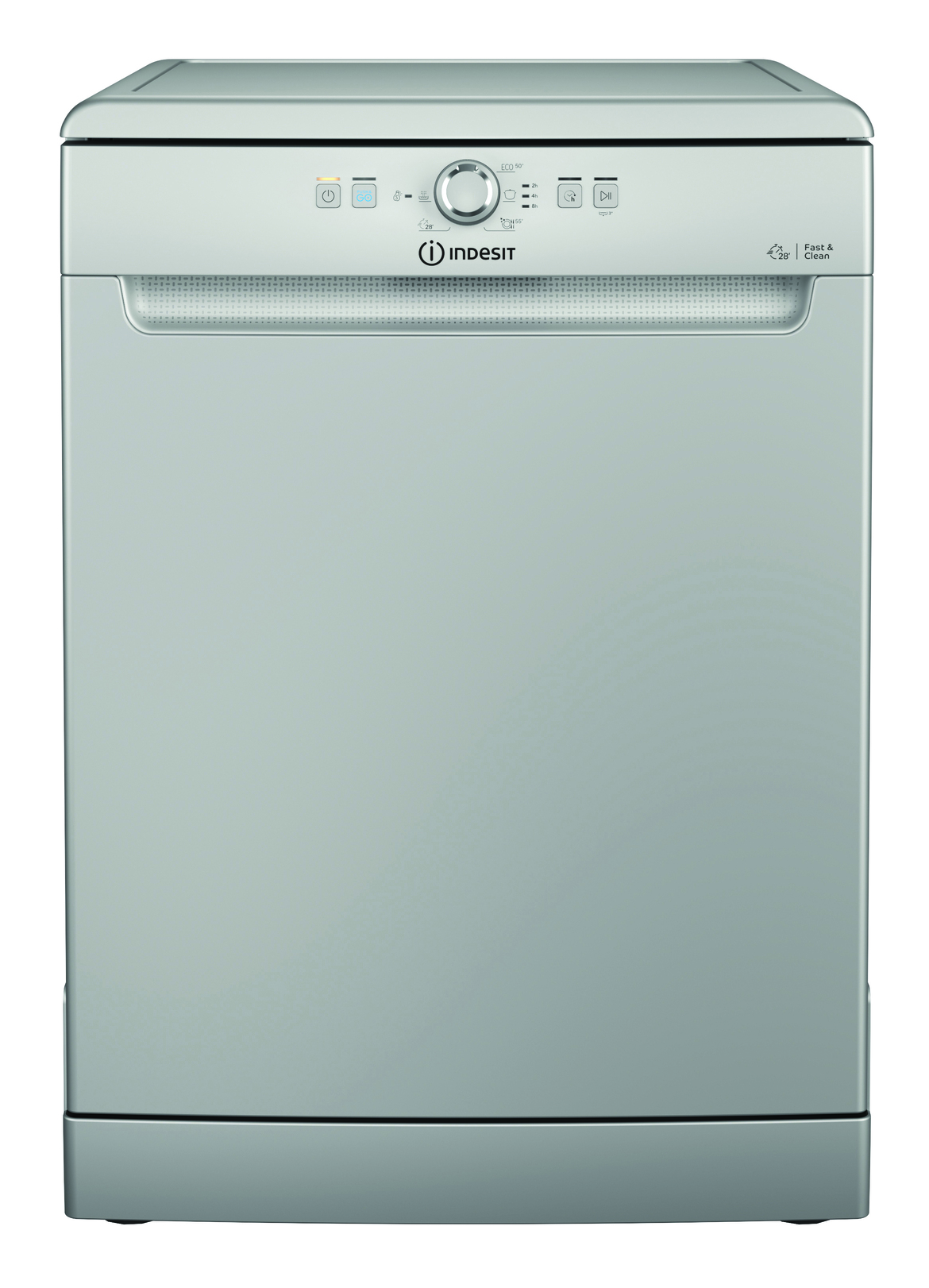 Image unavailable
Indesit D2F HK26 S — 14 place settings, 60 cm
A freestanding option listed as having 14 place settings, in a 60 cm format and with an E energy rating. If you often load pans into the lower basket, check how much room is left once the cutlery basket is in place. Compare the Eco cycle figures with those of appliances of a similar capacity.
View on Joybuy
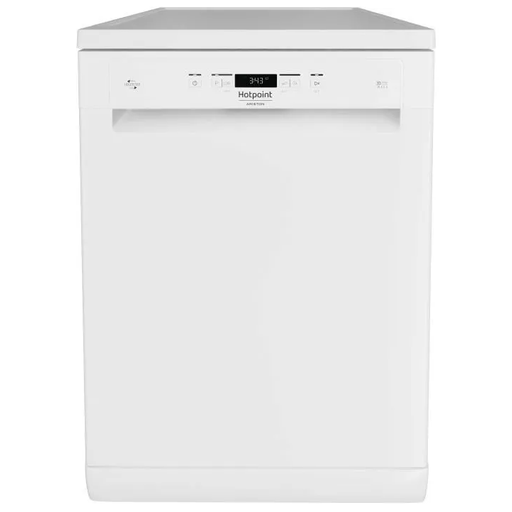 Image unavailable
Hotpoint H4FD641A — 14 place settings, C rated
Worth considering if you need a freestanding model with a stated capacity of 14 place settings. The product title gives a width of 60 cm and a noise level of 41 dB. Measure the available space and check the noise level of the programme you’ll use. The model’s documentation says the door opens automatically after the cycle; follow its guidance about hot steam.
View on Joybuy
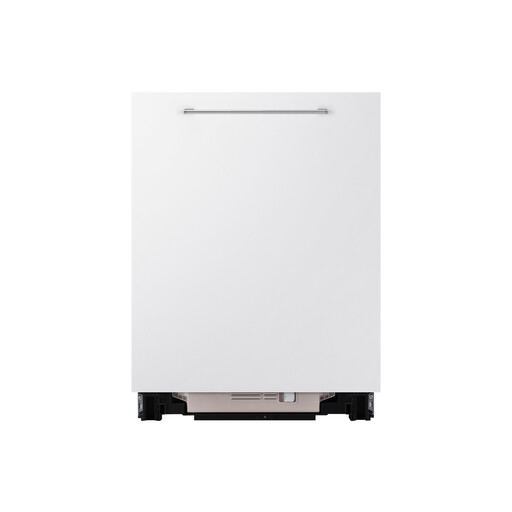 Image unavailable
Samsung DW80H72YBB0U1 — 13 place settings
Worth considering if fitting the appliance behind a cabinet door is a priority and 13 place settings suit the amount of washing-up you usually have. This integrated model is listed as 60 cm wide and B rated. Check the housing dimensions, cabinet door and hinges against the instructions; the model’s documentation says it must be installed by a professional.
View on Joybuy
Frequently asked questions
What does the number of place settings mean for a family?
It gives you an idea of the dishwasher’s capacity, but doesn’t guarantee that all your dishes and pans will fit at once. Compare the available loading space with your bulkiest items, and check the basket height and space for cutlery.
Which figures should I compare on the energy label?
For models with a similar capacity, compare the energy rating, kWh per 100 cycles, litres per cycle, Eco programme duration and noise level. The European Commission lists this information on dishwasher energy labels; the rating alone doesn’t tell you how much water the appliance uses or how long a wash takes.
Will I need dishwasher salt, rinse aid and regular maintenance?
As well as detergent, make sure you have the products and carry out the maintenance recommended in the model’s instructions. Bosch says that whether you need to add salt depends, among other things, on water hardness and the number of cycles. Its advice also explains how rinse aid helps with drying. Check which settings are right for your appliance.
Is the repairability index displayed in France?
Yes. The French Ministry of the Economy states that dishwashers are among the products for which displaying the repairability index is compulsory. Check the score for the specific model: it’s separate from its consumption figures and warranty terms.
Does a leak protection system mean I don’t need to check the installation?
No. Check the connections and follow the instructions, even if the model has a leak protection system. Bosch states that its AquaStop system doesn’t prevent every leak and recommends turning off the tap if you’re going to be away for an extended period.


