Households that need to avoid gluten
A “gluten-free” label addresses a specific requirement, but it does not tell you whether other allergens are present. According to AFDIAG, the crossed-grain logo indicates additional gluten-related checks.


When choosing crisps for a large family, start by finding out what each person needs to avoid: “gluten-free” does not mean “allergen-free”. Next, check the ingredients and any ‘may contain’ warnings on the pack you’re buying, then choose a quantity that suits everyone sharing. A short ingredient list or a large pack is no substitute for checking.
A “gluten-free” label addresses a specific requirement, but it does not tell you whether other allergens are present. According to AFDIAG, the crossed-grain logo indicates additional gluten-related checks.
If milk, peanuts, soya or another allergen is a concern, check whether it appears in the ingredients and look for any ‘may contain’ warnings. Products described as gluten-free can differ when it comes to these other allergens.
Once you’ve checked that a product is suitable, the net weight can help you work out how many packs you’ll need. A small, single-serve pack may not provide enough for everyone.
First, work out what your household needs to avoid, then compare the recipes and pack sizes that meet those needs.
| What matters | What to check | Who is this for? |
|---|---|---|
| Avoiding gluten | Look for a “gluten-free” label on the pack. AFDIAG describes the crossed-grain logo as an additional indicator. | If gluten needs to be avoided, seeing potatoes or cassava in the recipe is not enough to make a decision. Around 36% of consumers put checking for gluten first. |
| Other allergens and traces | Check which allergens are listed in the ingredients and whether there is a ‘may contain’ warning for the allergen in question. | If milk, peanuts or soya is a concern, a gluten-free product could still be unsuitable. Around 29% of consumers prioritise whether a product is compatible with another allergen-related requirement. |
| Quantity to share | Compare the net weight of the packs and estimate how much you’ll need for your guests. | For a family get-together, I need to know whether one small pack will be enough or whether I’ll need several. Around 21% of consumers prioritise the quantity available. |
| Flavour and nutritional information | Once you’ve checked the allergens, compare the main ingredients and nutritional values per 100 g, particularly salt and fat. | When several recipes meet your household’s dietary requirements, flavour and nutritional information can help you decide between them. Around 14% of consumers make this their main concern. |
These labels don’t address the same needs. E.Leclerc’s product listing for Chaque Jour Sans Gluten cream and onion-flavour crisps, for example, lists ingredients containing milk; other gluten-free products carry warnings about possible traces.
Identify which allergen each person needs to avoid, then check the ingredients and any trace warnings on the product you choose.
A short ingredient list doesn’t rule out trace warnings. Vico says its Extra Craquantes crisps may contain milk and peanuts.
Read the whole label, including any ‘may contain’ warning, even if the recipe looks simple.
A 50 g pack, such as the Jardin BiO étic lentil crisps listed by Auchan, and 170 g stacked crisps, such as those listed by E.Leclerc, don’t provide the same amount to share.
Check the net weight and work out how many packs you’ll need before you fill your basket.
The flavour or recipe shown on a product listing you viewed before should not be taken as definitive proof for a different pack. Pringles, for example, advises shoppers to check the information on the packaging.
Check the ingredients and trace warnings on the pack you actually buy, especially if you’re choosing a different flavour or size.
These examples show why it’s more important to check the label on a specific product than to rely on the brand or range name alone.
The brand offers potato and lentil crisps in a range of flavours.
In France, Lay's offers several ranges of potato crisps, including classic and ridged varieties.
Pringles makes stackable crisps, including its Original product in different pack sizes.
The retailer stocks gluten-free products from a range of brands.
The range includes gluten-free stacked crisps, and E.Leclerc associates it with the crossed-grain logo.
The retailer stocks Jardin BiO étic lentil crisps and So Chips potato crisps, which are described as gluten-free.
These cassava crisps and chickpea crisps come in different net weights, whether you’re looking for a small amount or something to share. Your choice should still depend on the ingredients and trace warnings on the pack intended for your household.
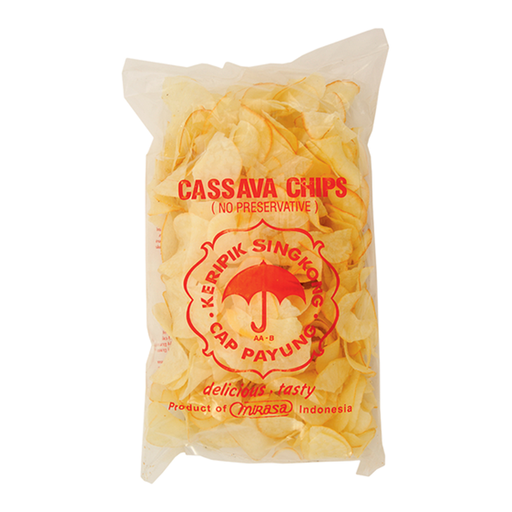 Image unavailable
The 250 g pack is worth considering if you’re buying crisps to share. However, don’t choose these cassava crisps for a gluten-free diet or to avoid another allergen based on the name alone. Check the pack, including any trace warnings.
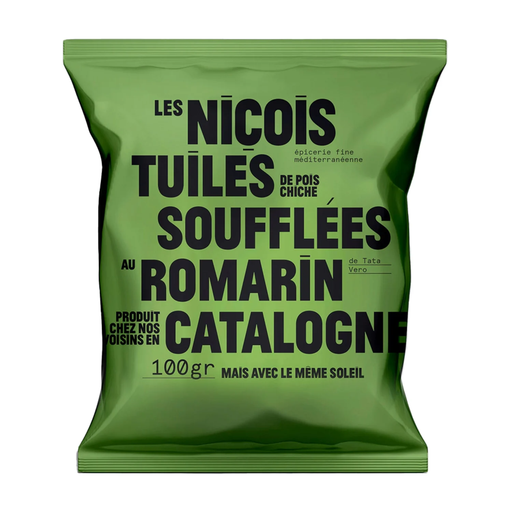 Image unavailable
These rosemary-flavour chickpea crisps come in a 100 g pack, so factor that into how many people you’re catering for. Describing them as naturally gluten-free is not enough to confirm they’re suitable for someone who needs to avoid gluten strictly: the product listing warns of possible traces of gluten, milk, eggs and mustard. Check the pack before choosing them.
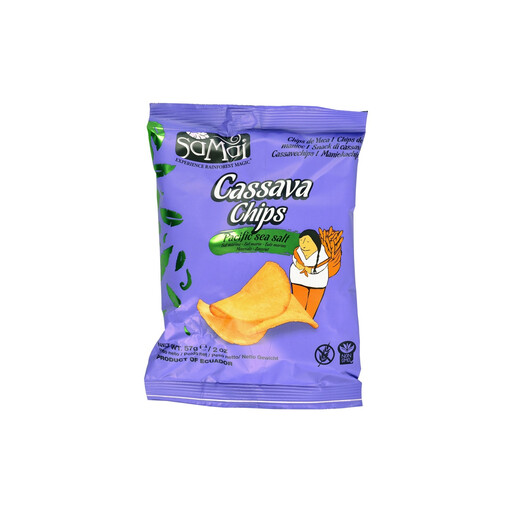 Image unavailable
The 57 g pack is a handy way to buy a small amount of cassava crisps rather than relying on a single pack for the whole family. Describing the recipe as naturally gluten-free doesn’t tell you about all possible traces. Check the pack for information relevant to the allergen you need to avoid.
No. In France, the “gluten-free” label means a maximum gluten content of 20 mg/kg, according to the applicable European regulation and AFDIAG. It does not cover other allergens. Check the ingredients and any trace warnings separately.
According to AFDIAG, the logo identifies products that undergo checks for residual gluten and an audit of the manufacturing site under the AOECS standard. It relates to gluten, so you still need to check for any other allergens you need to avoid.
No. A short ingredient list makes it easier to check what’s in a product, but it doesn’t rule out a trace warning. Vico Extra Craquantes list potatoes, vegetable oils and salt, as well as a ‘May contain: milk, peanuts’ warning.
Compare the net weight of products that meet your household’s dietary needs, then work out how many packs you’ll need for your guests. A 50 g pack and a 170 g tube don’t contain the same amount. Keep products intended for people avoiding different allergens clearly identifiable when serving, too.
Check the information on the pack you’ve actually bought before serving it. The DGCCRF reminds shoppers that allergens in prepacked foods must be highlighted on the label. The packaging is where you can check the recipe and any trace warnings.