
Livraison le jour même ou le lendemain

Qualité garantie

Débloquez vos offres de bienvenue: Livraison GRATUITE | Jusqu'à -80 % | 30 jours d'essai gratuits à JoyPlus
Téléchargez l'application
A family board game evening can quickly lose its appeal if the game drags on, the rules are too complicated, or it isn’t suitable for the children’s ages. A colourful box and the promise of unforgettable moments aren’t enough to make the right choice. To avoid disappointing purchases, it’s worth running through a few concrete criteria before you order.
A game labelled “ages 4+” might be perfectly fine for a child who’s used to board games, yet feel too difficult for another. The ability to wait their turn, recognise symbols or read a few words matters just as much as age. Also check the level of independence required and whether there are any small parts.
A family game designed for 2 to 8 players doesn’t necessarily offer the same experience with two, five or eight people. Some titles become more lively as the group grows, while others are more enjoyable around a small table. The number of players, the length of a round and the type of interactions all need to be considered together.
A game advertised as taking 15 minutes can be followed by several rounds, plus setup and rule explanations. For a family with young children, a quick board game with little preparation will often be easier to bring out between dinner and bedtime.
Start by checking the manufacturer’s recommended age. Cards, marbles and other small items can pose a choking hazard for young children. In the UK and the European Union, look for the CE marking on the product or its packaging. This indicates that the manufacturer declares compliance with applicable European requirements, but it doesn’t replace reading the usage warnings carefully.
Store games in a dry place, away from sunlight, and check the condition of components regularly. For cards, a rigid or metal box makes storage easier and reduces wear. Laminated cardboard pieces can also withstand repeated play better.
To begin with, choose a game whose rules can be explained in a few minutes and whose duration is clearly stated. A party game or a card game lasting around 15 minutes works well for impromptu evenings, holidays and visits to relatives. A strategy game will require more concentration, but will remain accessible if the objectives are clearly presented.
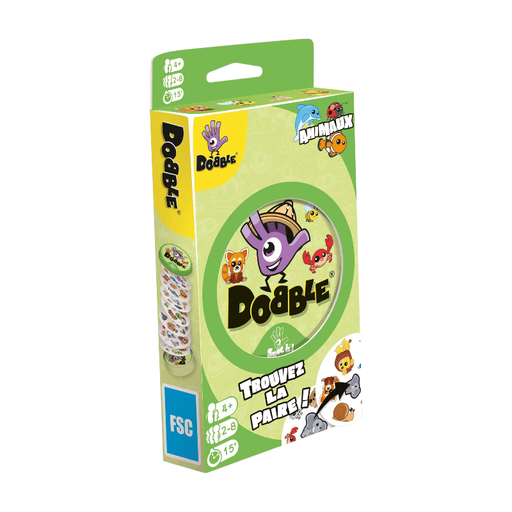
Why this choice suits this profile: Its short rules and animal theme mean you can start a game in minutes with children as young as 4 and adults alike.
The stated playtime is around 15 minutes and five variations are included, so you won’t get bored after the first few games.
55 cards, 8 symbols per card, 2 to 8 players and a compact metal tin.
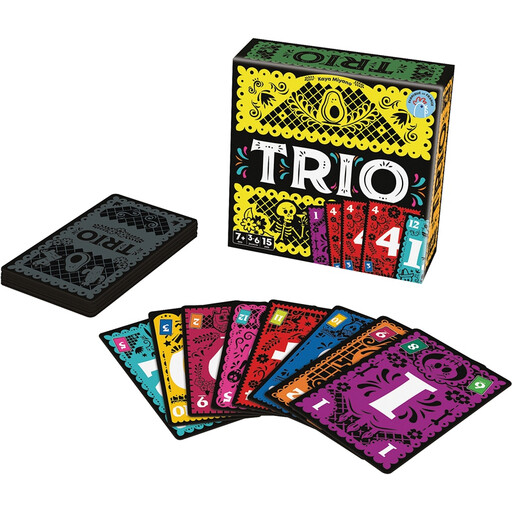
Why this choice suits this profile: Its compact size, French manufacture and blend of memory, deduction and bluff will appeal to families looking for a slightly deeper game.
The listing specifies the number of players, recommended age from 7 and a playtime of around 15 minutes – no endless games.
3 to 6 players, box size 11.1 × 11.1 × 3.4 cm and easy storage for travel.
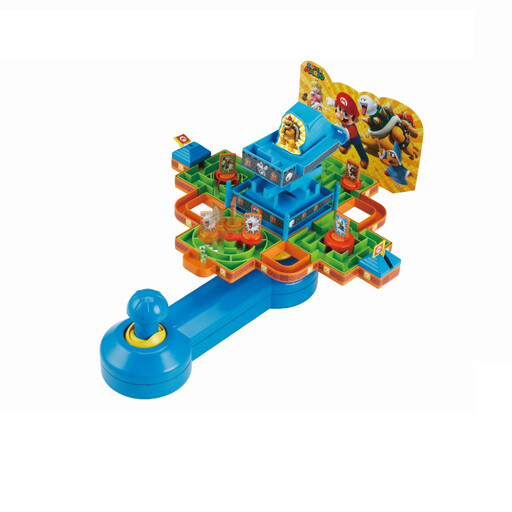
Why this choice suits this profile: This Super Mario game is aimed at children from age 5 who enjoy manipulating a maze and progressing alone or with an adult’s help.
The contents are detailed: four levels, a joystick, two metal balls and six two-dimensional characters.
Manual operation with no batteries, progressive levels and an instantly recognisable Super Mario world.
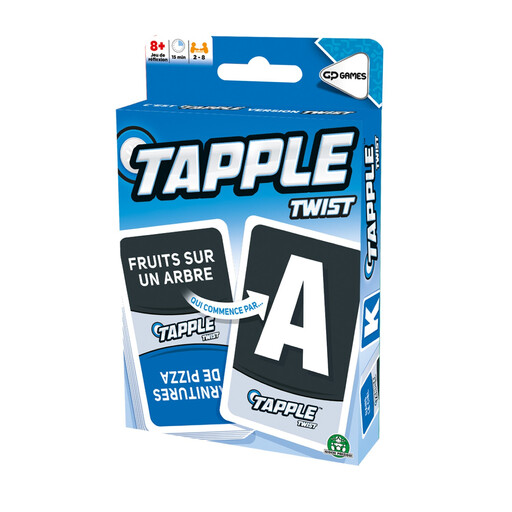
Why this choice suits this profile: This card version is aimed at word game enthusiasts and groups who want to play fast-paced rounds without setting up any electronic device.
The listing states a playtime of around 15 minutes, a recommended age from 8 and no electronic buzzer.
2 to 8 players, games in French, size 9 × 14 × 2 cm and answers to be found in under 10 seconds.
For a gift idea for a child, compare the recommended age, number of players and level of manipulation required. Pokémon fans can also look at Pokémon Dresseur Guess Kanto, an electronic solo game that takes about three minutes to play and requires three AAA batteries (not included). From age 12, both children and adults can try Momo Party Word Game, with its 120 cards, games for 2 to 6 players and rounds lasting around 15 minutes.
We’ve put together a comprehensive, real-time updated list of products that meet these selection criteria and European safety requirements.
An observation and speed game based on symbols or animal pictures will often be more accessible than a word game. However, do check that the child can recognise shapes, wait their turn and handle the cards. The presence of small parts should also be taken into account.
For regular play, a stated duration of 10 to 20 minutes is usually easy to fit into daily life. It allows you to play a round after school, during a journey or between activities. Longer games can work when all participants enjoy strategy and have enough time.
Card games and mechanical games generally work without power. Electronic models, such as some Pokémon games, require batteries bought separately. Store cards in their box, wipe pieces with a dry or slightly damp cloth, and avoid water, heat and prolonged exposure to sunlight.