Students who want to know what the label covers
You want to spot a certification on the box and find out whether it applies to the whole recipe or just certain ingredients.


When choosing Fairtrade tea for your move, first check what the label covers: a Fairtrade/Max Havelaar mark on the product is not the same as a claim covering certain ingredients, as Fairtrade International and Max Havelaar France explain. Then compare the ingredients and format that will actually work for your cupboard. ‘Organic’ and ‘wellbeing’ tell you nothing about how much of the recipe is Fairtrade or whether it offers a medical benefit.
You want to spot a certification on the box and find out whether it applies to the whole recipe or just certain ingredients.
You’re looking for a format that’s easy to store and prepare, while checking how many teabags are included and whether the product is available when you shop.
You compare the herbs and flavours in different blends. Liquorice deserves particular attention if you consume it regularly or take certain medicines, as France’s food safety agency, Anses, points out.
When choosing tea to keep in your first cupboard, check what the label covers before comparing blends and formats. A Fairtrade claim is no substitute for reading the ingredients list.
| Criterion | What to check | Who it matters to |
|---|---|---|
| What the Fairtrade label covers | Look for the Fairtrade/Max Havelaar logo and the accompanying claim. Check whether it applies to the product or to specified ingredients, in line with the distinctions outlined by Fairtrade International and Max Havelaar France. | When stocking my cupboard, I want to know how much of the tea is covered before choosing. Around 40% of consumers prioritise this clarity about the label. |
| Format and availability | Check the number of teabags or the product’s volume, then confirm it’s available through your chosen way of shopping. | If I make several cups at home, I want a box that’s easy to store and replace. Around 30% of consumers put this convenience ahead of other criteria. |
| Ingredients | Read the ingredients list: plain rooibos and a blend of rooibos, cocoa and red-fruit flavouring are different recipes, as the product listings from Auchan and Carrefour show. | I want to choose based on the herbs and flavours I’ll actually drink, rather than the word ‘wellbeing’ alone. Around 20% of consumers put ingredients first. |
| Ingredient-related precautions | Look out in particular for liquorice if you’re planning to drink it frequently; Anses warns of risks from high, repeated consumption. | Before making a tea part of my routine, I want to identify any ingredients that call for precautions in my situation. This is a priority for around 10% of consumers. |
Fairtrade International and Max Havelaar France distinguish between a label that applies to the product and the Fairtrade Sourced Ingredient model. These marks do not necessarily cover the same things.
Before comparing two boxes, check the logo, the accompanying claim and, where shown, the percentage covered.
Listings from Auchan and Carrefour include both plain rooibos and blends of rooibos, cocoa and red-fruit flavouring. A general product name won’t tell you how their ingredients differ.
Check the full ingredients list and any stated proportions to choose the blend you’d like to make.
A product you can view online may not be available at your chosen shop or for your preferred collection option.
Check availability and the box format just before relying on this tea for your move.
Anses states that high, repeated consumption of products containing liquorice can lower blood potassium levels and cause high blood pressure.
Check the ingredients for liquorice. If you have high blood pressure or cardiovascular disease, or take medication that could interact with it, ask a healthcare professional for advice.
Check what Fairtrade claims cover for each product: a claim on one blend does not apply to a brand’s entire range.
Worth considering if you’re looking for plain rooibos with a clear statement about its Fairtrade share.
A rooibos product to consider if you want a claim covering the product’s full weight.
A flavoured blend to consider if you’re happy with only part of the blend being identified as Fairtrade.
Worth looking into if you’re open to a Fairtrade standard other than Fairtrade/Max Havelaar.
This selection includes herbal infusions, a ready-to-drink rooibos beverage and a green matcha tea. When stocking a student cupboard, distinguish between tea you prepare and a bottled drink, then check the packaging of each product to see what any Fairtrade claim covers.
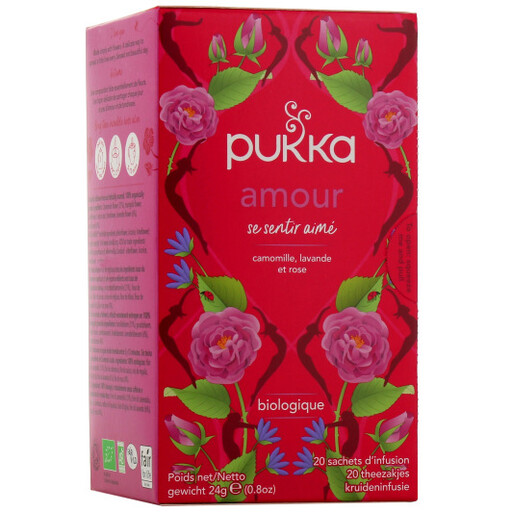 Image unavailable
Worth considering if you want an herbal infusion to prepare at home. The stated pack size is 24 g; check how many teabags are included and what the Fairtrade mark on the box covers.
The recipe contains liquorice, so bear in mind Anses’ warning about high, repeated consumption.
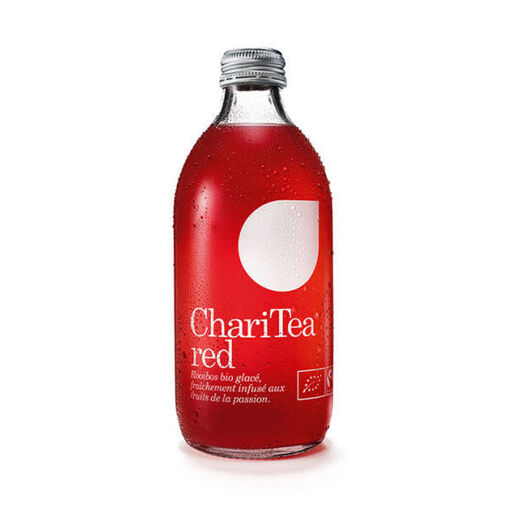 Image unavailable
A ready-to-drink rooibos beverage, rather than teabags to keep in your cupboard. The stated format is a 33 cl bottle; check the packaging for the Fairtrade mark and what it covers.
 Image unavailable
Worth considering if you’re looking for a ginger infusion and are happy to compare a Fairtrade standard other than Fairtrade/Max Havelaar. The stated weight is 36 g; check the format and what the mark on the packaging covers.
The recipe contains liquorice, which is worth bearing in mind if you drink this infusion often.
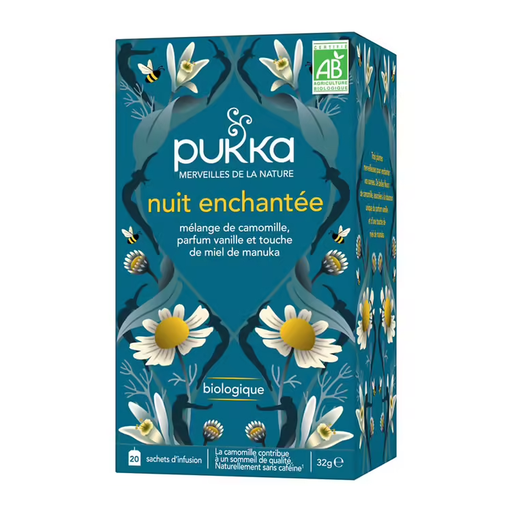 Image unavailable
Worth considering if you’re looking for an evening herbal infusion. The stated weight is 32 g; check how many teabags are included and what the Fairtrade claim covers before choosing.
The ingredients include liquorice, which Anses advises taking care with if consumption is high and repeated.
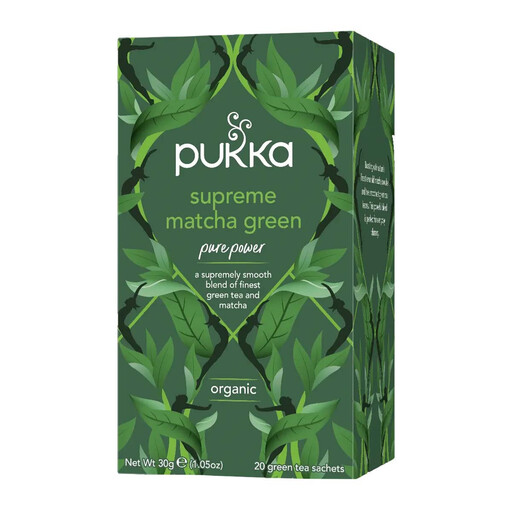 Image unavailable
For anyone looking to compare green matcha tea with herbal infusions, without confusing the two categories. The stated weight is 30 g; check whether it’s loose tea or teabags, and look separately for any Fair for Life claim.
Read the logo and the claim alongside it, rather than relying on the word ‘Fairtrade’ alone. Fairtrade International distinguishes between a label that applies to the product and the Fairtrade Sourced Ingredient model, which may cover certain ingredients. If the packaging gives a percentage, check what share it refers to as well.
No. These claims describe how a product is produced or sourced, not whether an infusion can treat a symptom. Choose a blend based on its ingredients, the flavour you’re looking for and any precautions relevant to you.
A box of teabags could work if you want to make cups at home; Carrefour listings, for example, include boxes of 20 teabags. Check how many teabags are in the product you’ve chosen and whether it’s available. A ready-to-drink bottle serves a different purpose.
Yes, especially if you plan to consume it frequently and in large amounts. Anses warns that excessive liquorice consumption can cause hypokalaemia and high blood pressure. If you have high blood pressure or cardiovascular disease, or take medication that could be affected, ask a healthcare professional for advice.