Shoppers looking for proof of fair trade
You want to identify a fair trade standard that applies to the exact product, even if that means choosing a format other than pure powder.


For your first shop, start by choosing between matcha powder that you measure yourself, tea for brewing and a latte mix: they have different ingredients and uses. If fair trade is a priority, check which standard is named for the specific product you’re buying and which ingredients it covers. The Pukka tea described by Carrefour carries a Fair for Life indication, but contains just 2% matcha. This indication does not mean that the matcha powders mentioned here have the same certification.
You want to identify a fair trade standard that applies to the exact product, even if that means choosing a format other than pure powder.
You want to make a drink or cook with matcha, without mistaking powder you measure yourself for tea bags or a prepared blend.
You’re considering tea bags, sticks or an instant mix and want to know what each product actually contains.
When choosing a matcha product for your first shop, start by deciding how you’ll use it and how important proof of fair trade is to you. Check these points separately: being organic, or simply being described as fair trade, doesn’t on its own tell you which standard applies or which ingredients it covers.
Worth considering: if you want tea to brew and are looking for a named standard for the product you choose.
Bear in mind: the Pukka tea described by Carrefour contains 2% matcha, so it’s not a substitute for powder to whisk or use in cooking.
Worth considering: if you want to measure the matcha yourself for a drink or recipe.
Check: the fact that the SIPSTA and Kusmi Tea powders mentioned here are organic isn’t enough to establish that these specific products have fair trade certification.
Worth considering: if a ready-made recipe that’s quick to prepare suits you.
Bear in mind: the SIPSTA mix described by Carrefour contains 77% oat powder and 8% matcha. Check which fair trade standard applies to the product you buy.
| Criterion | What to check | Who it matters to |
|---|---|---|
| Proof of fair trade | The name of the standard and which ingredients it applies to in this product. | I’d rather choose certified tea than assume that organic powder is fair trade. Around 36% of shoppers put this proof first. |
| Powder suited to the way you’ll use it | The ingredients list and the proportion of matcha, particularly in blends. | To make my own latte or cook with it, I need matcha I can measure myself, not tea to brew. This comes first for around 29% of shoppers. |
| Ease of preparation | The instructions and format: tea bags, sticks or an instant mix. | For my first shop, I want something quick to prepare and am happy to compare blends. Convenience is the priority for around 21% of shoppers. |
| Ingredients | Added ingredients, any listed allergens and the recommended serving. | I want to know what’s in my drink before choosing between powder and a ready-made latte. Around 14% of shoppers put ingredients at the heart of their choice. |
The Pukka tea featured by Carrefour contains 2% matcha, while the SIPSTA matcha sticks are described as containing 100% organic matcha green tea. These two formats aren’t designed for the same use.
If you want to measure out a drink or use matcha in a recipe, check the ingredients list rather than relying on the word “matcha” on the front of the pack.
These claims don’t answer the same question. The DGCCRF has also reported irregularities found during checks of fair trade claims.
If fair trade will determine your purchase, look for the named standard and check which ingredients in the product it covers.
The SIPSTA latte mix described by Carrefour contains 77% oat powder and 8% matcha, so it doesn’t have the same ingredients as pure matcha powder.
Read the ingredients and check the proportion of matcha before choosing this format for your needs.
Teas and infusions, including blends containing matcha. Pukka says all its teas are certified Fair for Life.
Matcha powder sticks and an instant latte mix featured by Carrefour.
The brand offers, among other things, organic matcha powder from Japan for drinks and cooking.
These products let you explore matcha teas in bags and matcha products you can prepare yourself. Compare their ingredients with how you plan to use them, and check any fair trade information for the product you choose. The products below don’t all have verified fair trade credentials.
 Image unavailable
For a green tea and matcha drink, rather than powder you measure yourself. If the matcha content or Fair for Life coverage matters to you, check these details on the packaging for this product.
 Image unavailable
For those who prefer matcha tea in bags. If the matcha content and the ingredients covered by Fair for Life affect your choice, check these details on the packaging.
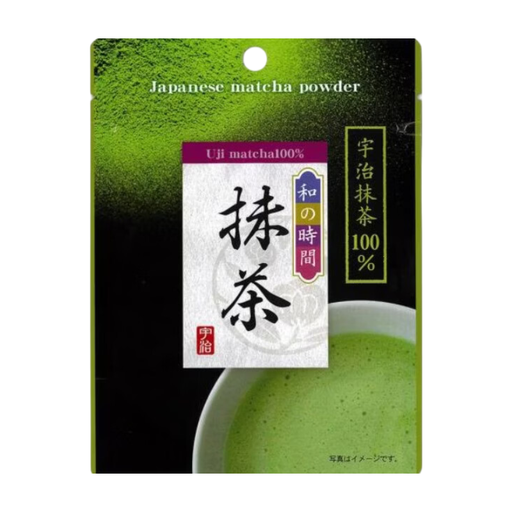 Image unavailable
Worth considering if you want to measure matcha yourself for your recipes. Check the ingredients and, if fair trade is essential, look for proof that applies to this specific product.
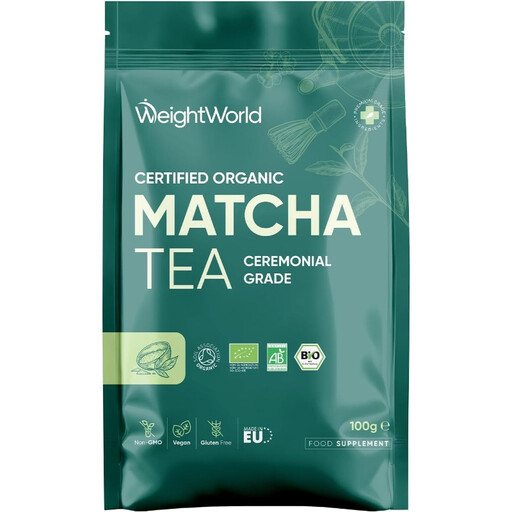 Image unavailable
For making a drink or recipe with matcha powder you can measure yourself. The organic label isn’t proof of fair trade: if that’s your priority, check which standard applies to this product.
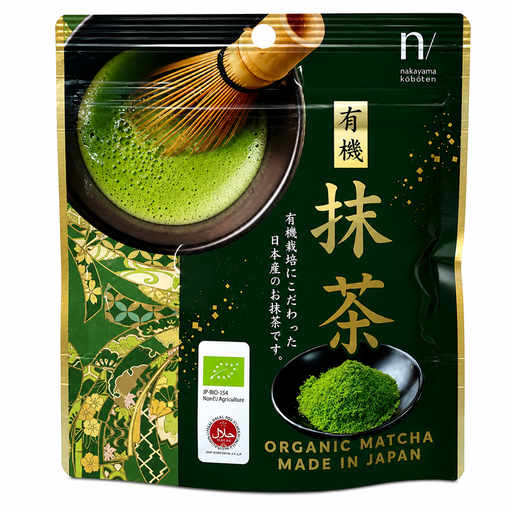 Image unavailable
Worth considering if you’re looking for matcha to prepare yourself. Check the ingredients list and, if fair trade is important to you, look for certification that applies to this specific product.
No. The Pukka tea featured by Carrefour contains 2% matcha, while the SIPSTA matcha sticks are described as containing 100% organic matcha green tea. Check the ingredients list and matcha content to see how each product is intended to be used.
Look for the name of the standard and check which ingredients in the product you’re buying it covers. Fair for Life says that compliance with its requirements is regularly audited. However, seeing the name of a scheme doesn’t remove the need to check how it applies to the specific product.
No. The organic label alone doesn’t show that a fair trade standard applies to the product. For SIPSTA or Kusmi Tea powder, check separately whether the specific product carries a fair trade indication.
Matcha contributes to your caffeine intake, which you should consider alongside the other drinks you consume. The Anses advises pregnant and breastfeeding women, among others, to limit their caffeine intake. Check the serving size shown on the product.