Consumers who look for the Fairtrade label
You want to see the Fairtrade/Max Havelaar label on the product you buy, rather than rely on a general claim. For a blend, the details on the back of the box matter too.


If you specifically require the Fairtrade/Max Havelaar label, look for its logo on the box and read the details on the back if it’s a blend. If you’re happy with other fair-trade schemes, compare the standard stated and the ingredients it covers: ‘organic’ or ‘fair trade’ on its own doesn’t mean the product carries this particular label. For a quick break at work, check the format, ingredients and brewing time too.
You want to see the Fairtrade/Max Havelaar label on the product you buy, rather than rely on a general claim. For a blend, the details on the back of the box matter too.
You’re looking for a drink to enjoy at lunchtime or in the afternoon. A herbal infusion or rooibos could be a good choice, but check the ingredients of the product you choose.
You’re open to a fair-trade scheme other than Fairtrade/Max Havelaar, provided the label, the plants it covers and their origin are clearly stated. A French supply chain could also be an option for you.
First decide whether Fairtrade/Max Havelaar is a must-have or whether another fair-trade standard will do. Then check the ingredients and preparation time to suit your break.
| Criterion | What to check | Who it’s for |
|---|---|---|
| Fair-trade label | Look for the Fairtrade/Max Havelaar logo if you require this label; for a blend, read the details on the back. Otherwise, identify the standard and the ingredients it covers. | I want to know exactly what the box certifies before choosing between different fair-trade schemes; around 40% of consumers are said to prioritise this proof. |
| Caffeine and ingredients | Check the caffeine information and the list of plants or spices, especially if you’re choosing between tea and a herbal infusion. | For my after-lunch break, I prefer to avoid caffeine and choose ingredients I enjoy. Around 30% of consumers are said to share this priority. |
| Preparation at work | Compare tea bags and loose tea based on the equipment available, then check the brewing time. | When my lunch break is short, I want something I can make with the time and equipment I have; around 30% of consumers are said to put ease of use first. |
These claims can appear on the same product, but they don’t describe the same thing. Fairtrade/Max Havelaar, Fair for Life and BIOPARTENAIRE are not interchangeable names.
If a particular label is essential to you, look for it on the product you buy and read the details about the ingredients in the blend.
Carrefour’s listing for Pukka Organic Digestion Infusion states that 44.5% of the ingredients are controlled under Fair for Life and 8% are FairWild-certified. These proportions don’t mean that the whole blend carries the Fairtrade/Max Havelaar label.
Compare the standard, the proportion stated and the ingredients covered, rather than focusing only on the name of a certification.
A name suggesting ‘digestion’ or ‘detox’ isn’t enough to establish an effect. The DGCCRF reminds consumers that health claims used for food products are regulated.
Choose a drink based on its taste, ingredients, preparation and stated label, rather than treating it as a remedy.
A product featured by a retailer may not be available in every store or delivery area.
Check the range available to you and the information on the product you’ll receive.
Ethiquable offers a range of organic teas, rooibos and herbal infusions from supply chains it describes as fair trade, available in tea bags or loose.
This brand offers herbal infusions in tea bags, with some products specifying the proportion of ingredients covered by fair-trade standards.
Tisanes le Dauphin offers organic blends grown in France and labelled BIOPARTENAIRE, for consumers interested in a French fair-trade supply chain.
This selection includes infusions to brew and a ready-to-drink rooibos beverage. To find the right option for your break, consider the format and check each pack for the fair-trade label that matters to you.
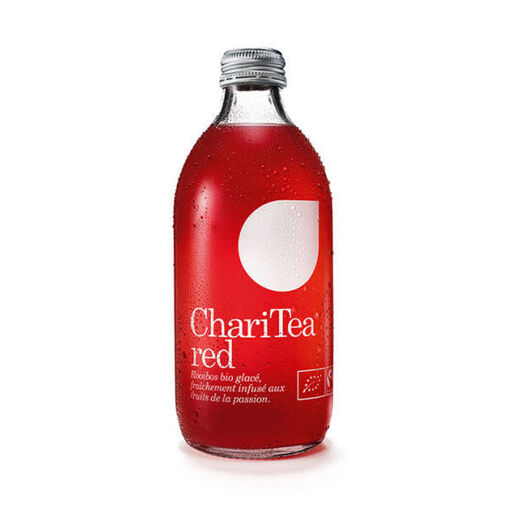 Image unavailable
For a break with no preparation, this ready-to-drink rooibos stands apart from hot infusions. It comes in a 33 cl format; if you require Fairtrade/Max Havelaar, check the logo and traceability details on the packaging.
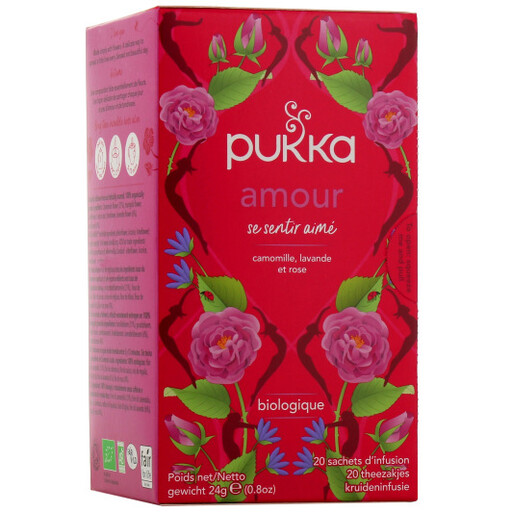 Image unavailable
For a herbal infusion at work, you’ll need hot water, and should check that the ingredients suit you. The box is listed as 24 g; if the Fairtrade/Max Havelaar label is important to you, look for it on the packaging rather than relying on the word ‘fair trade’ alone.
 Image unavailable
This infusion may appeal if you enjoy ginger and are happy with fair-trade standards other than Fairtrade/Max Havelaar. The pack is listed as 36 g; check the ingredients and brewing time before choosing it for a short break.
 Image unavailable
For a break with access to hot water, this 40 g infusion combines aniseed, fennel and liquorice, among other ingredients, according to its Joybuy listing. Carrefour states that 44.5% of the ingredients in this product are controlled under Fair for Life and 8% are FairWild-certified; don’t confuse these claims with the Fairtrade/Max Havelaar label.
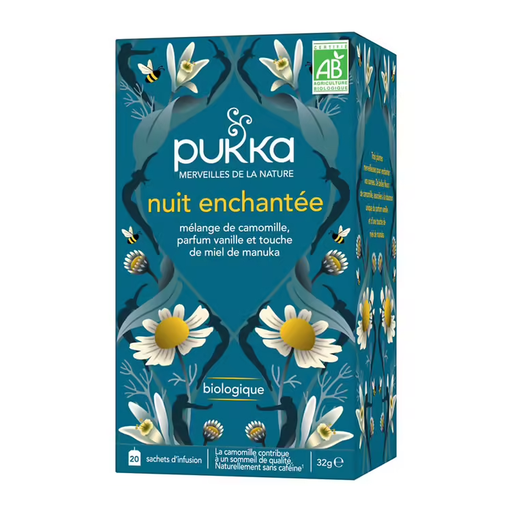 Image unavailable
If you’re considering this infusion for work, first check that the ingredients and preparation suit your break. The pack is listed as 32 g; also check the caffeine information and the label on the box if these are key to your choice.
No. Fairtrade/Max Havelaar is a specific label, while a herbal infusion may follow another scheme, such as Fair for Life or BIOPARTENAIRE. If this particular label is a condition of your purchase, look for its logo and read the details on the back if it’s a blend.
A ready-to-drink beverage saves you the brewing step. For a hot herbal infusion, choose a format that works with the hot water and equipment you have. Check the preparation time too: the Joybuy listing for Pukka Organic Digestion Infusion gives a brewing time of around five minutes in water at 100 °C.
No. The name of a food product shouldn’t be taken as a guarantee that it can treat a condition. Choose this drink based on its ingredients and taste; if you have a health concern, speak to a healthcare professional.
Max Havelaar France says that labelled products are available from different types of retailers, including supermarkets and specialist shops. For a specific herbal tea, check both the label on the packaging and whether it’s available at your local shop, for click and collect or in your delivery area.