Organisers looking for Fairtrade credentials
If you specifically need Fairtrade/Max Havelaar, look for the label or a statement about the ingredients covered on the product. The word ‘ethical’, on its own, doesn’t tell you which standard applies.


For a sweet treat similar to a sugar-coated almond, with Fairtrade credentials, Biocoop’s chocolate-coated almonds fit the bill. The product information states that the chocolate and cocoa, which make up 67% of the total weight, meet Fairtrade/Max Havelaar standards. However, their crunchy centre and the presence of almonds and milk mean you’ll need to check who they’re suitable for. If you’re considering a chocolate bar instead, check its certification, ingredients and sugar content separately.
If you specifically need Fairtrade/Max Havelaar, look for the label or a statement about the ingredients covered on the product. The word ‘ethical’, on its own, doesn’t tell you which standard applies.
Biocoop’s chocolate-coated almonds and KAOKA’s whole-almond bar are crunchy. Check what each person can manage rather than assuming, based on their age, that they can or can’t eat them.
Compare the ‘of which sugars’ figure per 100 g and check the ingredients and allergen information on the packet you’ll be serving. Chocolate and almond recipes may contain nuts and milk, depending on the product.
Start by checking that the product meets your guests’ requirements, then make sure its shape and ingredients are suitable for the people you’re serving. Fairtrade certification doesn’t replace checking the nutritional information.
| Criterion | What to check | Who is it for? |
|---|---|---|
| Fairtrade credentials | Look for the Fairtrade/Max Havelaar label or a clear statement identifying the ingredients that meet the standards and their proportion of the product. | If Fairtrade is specifically required, a general promise of ethical trade isn’t enough for me to make a choice. Around 37% of consumers would prioritise identifiable Fairtrade credentials. |
| Texture and allergens | Check the form of the almonds, the ingredients and the allergen information on the batch you buy. | If guests can’t manage crunchy foods or need to avoid an ingredient, I need to choose something I can serve them without making assumptions about what they can manage. Texture and allergens would be the priority for around 36% of consumers. |
| Sugar and serving size | Compare the ‘of which sugars’ figure per 100 g and decide on portions before serving. | When planning quantities for afternoon tea, I want to be able to compare the sugar content of the products I’m considering. This would come first for around 18% of consumers. |
| Available format | Check the pack size and availability at your chosen shop; if needed, consider a chocolate bar as an alternative format. | If I can’t find the sweet treat I planned to serve, I need an alternative format that works for the occasion, without confusing a chocolate bar with a sugar-coated almond. Around 9% of consumers would prioritise having this alternative. |
Certifications aren’t interchangeable. Fairtrade International and Max Havelaar France state that a composite product carrying their label doesn’t necessarily consist entirely of Fairtrade ingredients.
If Fairtrade/Max Havelaar is important to you, read the information for the specific product you’re buying, including details of which ingredients are covered.
A roasted or whole almond is still crunchy beneath its coating. Its shape and texture won’t automatically suit someone who has difficulty chewing.
Check each person’s needs and, if necessary, offer another sweet treat, making sure you’ve checked its texture and ingredients too.
Fairtrade doesn’t determine how much sugar a sweet contains. The label therefore doesn’t help you compare the nutritional values of two recipes.
Check the ‘of which sugars’ figure per 100 g on each packet and prepare the portions you plan to serve.
The packaging of the batch you’re serving is what lets you check its ingredients, allergen information and nutritional details.
Read it again before afternoon tea, even if you’ve already chosen the product based on its online listing.
The retailer offers milk chocolate-coated almonds, a format similar to the sugar-coated almonds you may be looking for.
The brand offers ethically traded chocolate bars, including a dark chocolate and almond recipe with 65% cocoa.
KAOKA describes a 180 g organic and ethically traded dark chocolate bar with whole almonds, made using cocoa from its São Tomé supply chain.
This selection features a chocolate and almond bar to consider if sugar-coated almonds aren’t essential. If you specifically need Fairtrade/Max Havelaar, check the exact wording on the packaging before choosing it.
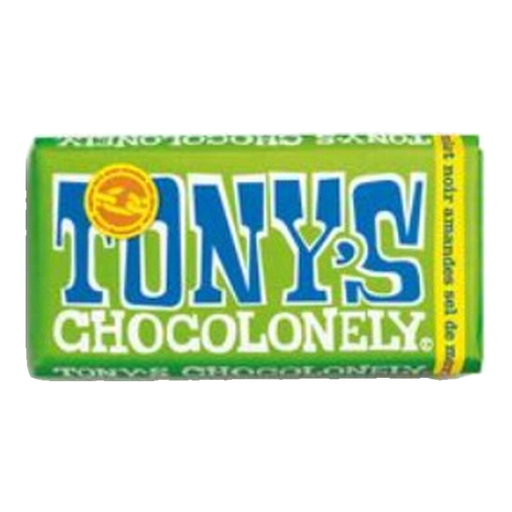 Image unavailable
Consider this if you can serve chocolate with almonds instead of sugar-coated almonds, and the crunch is suitable for the people you’re serving.
The description mentions Fairtrade cocoa. Check the packet you buy to see which claim applies to the product and whether it may contain traces of allergens. If you’re comparing several sweet treats, also check the ‘of which sugars’ figure.
Not necessarily for a composite product. Fairtrade International and Max Havelaar France state that the relevant composite products must contain at least 20% Fairtrade ingredients by total weight. Check the information for the specific sweet you’re choosing.
Check details such as the product name, ingredients, allergens, net quantity and the date shown on the packet. The DGCCRF also explains the rules for nutrition declarations on pre-packed food, including the applicable exemptions. Where nutritional information is provided, use the ‘of which sugars’ figure to compare products.
No. Age alone doesn’t tell you whether someone can manage a crunchy almond. Check whether they can eat this texture and whether there are any ingredients they need to avoid. If you know they have difficulty chewing or swallowing, follow the individual advice they’ve been given.
No. Fairtrade certification on its own doesn’t tell you how much sugar a product contains. Compare the ‘of which sugars’ figure per 100 g in the nutritional information for the products you’re considering.