What should you look for first?
When stocking up for the first time, start with what matters most to you: the extent of the Fairtrade credentials, a caffeine-free infusion for the evening or a particular flavour. Then check the specific product, as you can’t tell from the brand name alone whether it meets these criteria.
| Criterion |
What to check |
Who is it for? |
| Fairtrade credentials |
The logo or standard, followed by the ingredients it covers and their proportion, as stated on the box. |
I want to understand exactly what the Fairtrade claim covers before filling my cupboard. Of the consumers who put one need first, around 40% prioritise this proof. |
| Caffeine-free infusion |
The ‘caffeine-free’ claim and the ingredients in the product, especially if it’s flavoured. |
I’m mainly looking for a caffeine-free hot drink to enjoy in the evening. This comes first for around 30% of consumers. |
| Flavour and ingredients |
The herbs and spices it contains; for a blend, what each Fairtrade claim covers and whether it contains liquorice. |
I’d like to choose an aniseed or spicy flavour that makes me want to put the kettle on, without overlooking the ingredients. Around 30% of consumers prioritise this kind of flavour. |
Herbal teas to discover on Joybuy
These three Pukka products are worth considering if you’re looking for an aromatic blend. To choose a Fairtrade herbal tea, compare the information on each box: a product range name alone doesn’t tell you what a certification covers.
 Image unavailable
Pukka Organic Digestion Herbal Tea, 40 g
Worth considering if you’re after an aniseed flavour. Carrefour’s listing for this product includes fennel and liquorice, and states that 44.5% of the ingredients are certified under Fair for Life. This proportion doesn’t cover the whole blend.
If you’re thinking of drinking it often, bear in mind that it contains liquorice and take note of Anses’ warning about high, repeated consumption.
View on Joybuy
 Image unavailable
Pukka Organic Gingers Herbal Tea, 36 g
Worth a look if you prefer a ginger blend. Before buying, check the ingredients on the box, what the Fairtrade claims cover and whether it contains liquorice, especially if you plan to drink it regularly.
View on Joybuy
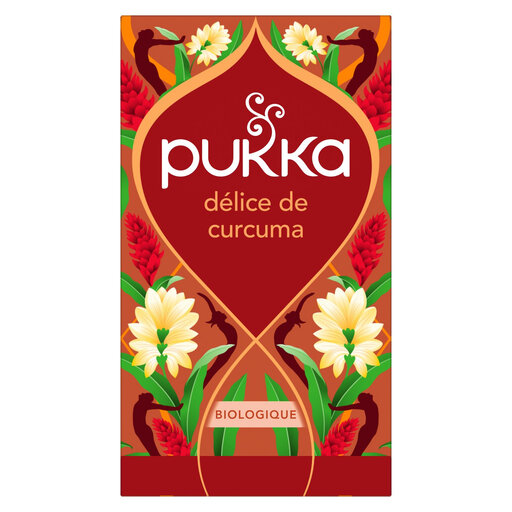 Image unavailable
Pukka Turmeric Delight Organic Tisane, 36 g
Worth considering if you’re looking for a turmeric herbal tea. To see whether it meets your Fairtrade priorities, check the standard on the box and which ingredients it covers. Also check the ingredients and any caffeine information if you’re planning to drink it in the evening.
View on Joybuy
Frequently asked questions
How can I check whether a herbal tea is Fairtrade/Max Havelaar certified?
Look for the logo on the exact product you’re considering, then read the information on the back of the box. Fairtrade/Max Havelaar France says that, for some products made from multiple ingredients, an arrow next to the label points to information about the ingredients and their traceability.
Is an organic herbal tea always Fairtrade?
No. An organic claim isn’t a substitute for a Fairtrade label. The ETHIQUABLE and Jardin BiO étic rooibos products featured on their product pages combine both approaches, but you should check this for each product.
Is rooibos suitable if I want a caffeine-free evening infusion?
The ETHIQUABLE and Jardin BiO étic rooibos products mentioned here are described as caffeine-free on their product pages. If you choose a flavoured or blended version, check the other ingredients on the box too.
Why should I check the ingredients in a liquorice herbal tea?
Liquorice deserves particular attention if you consume it in large amounts and regularly: Anses warns of the risk of hypokalaemia and high blood pressure. If you have a health condition or are taking medication, ask a healthcare professional for advice before making it a regular drink.
What should I look for on the label of a prepacked herbal tea?
Check the product name, ingredients list, net quantity and stated best-before or use-by date. For prepacked foods sold in France, the DGCCRF reminds shoppers that information must be visible, legible and written at least in French, and that allergens must be highlighted in the ingredients list.


