Which criteria should you check first?
When choosing an herbal tea to serve with coffee, start with what matters most to you, then check the other details on the specific product. A retailer, a shelf or the word ‘infusion’ alone doesn’t confirm its certification or caffeine content.
| Criteria |
What to check |
Who is it for? |
| Fairtrade credentials |
The standard shown on the packaging and the ingredients or proportion of the blend it covers. Don’t confuse Fairtrade/Max Havelaar with Fair for Life or organic certification. |
I want to know what’s certified in the herbal tea I’m buying, rather than relying on the retailer’s name alone. Around 36% of shoppers put this proof of Fairtrade credentials first. |
| Caffeine |
Whether the ingredients include tea or mate and, if necessary, whether the product is labelled ‘naturally caffeine-free’. |
I’m already having coffee with my afternoon snack, so I’d rather my other drink didn’t add more caffeine. This is the top priority for around 29% of shoppers. |
| Flavour pairing |
The flavour profile on the packaging — fruit, mint or spices — and then the actual ingredients in the blend. |
I’d like to choose a flavour I’ll enjoy with my coffee, rather than picking an herbal tea based on its label alone. Taste is the main criterion for around 21% of shoppers. |
| Ingredients and claims |
Whether liquorice appears in the ingredients list, and what claims such as ‘detox’ or ‘digestion’ actually mean. |
If I plan to drink this herbal tea regularly, I want to know what’s in it and not mistake a wellbeing claim for a proven effect. Around 14% of shoppers put this kind of attention to detail first. |
Brands and retailers to know
These brands and retailers offer useful points of comparison for blends and packaging claims. Their inclusion here doesn’t mean that all their herbal teas are certified.
Carrefour
A retailer to consider for its own-label range linked to a partnership with Max Havelaar.
- Carrefour Group says that the range includes a tea supply chain.
- This doesn’t certify every Carrefour herbal tea, so check the specific product you’re interested in.
Auchan
A retailer where you can compare different herbal tea blends and their product information.
- Auchan’s product listing for Pukka Fruits Rouges describes a naturally caffeine-free blend, with Fair for Life checks covering 80% of its ingredients.
- This information applies to that product, not every herbal tea on the shelf.
Lidl
A retailer whose information helps you distinguish between different certification schemes.
- Lidl France presents Fairtrade/Max Havelaar, organic and Rainforest Alliance separately.
- Its general commitments don’t confirm that a specific herbal tea has Fairtrade certification.
Twinings
A brand to browse when comparing herbal tea and tea flavour profiles.
- The range presented by Twinings France distinguishes, among other things, flavoured herbal teas from black and green teas.
- Check the label on the French packaging you choose rather than assuming the brand has a particular certification.
Lipton
A brand found among the infused drinks available in French shops.
- Auchan features a Lipton cold-brew drink with lime and mint, among other products.
- A product being available on the shelf doesn’t, by itself, tell you whether it has Fairtrade certification.
E.Leclerc
A retailer where you can compare own-label herbal teas by blend and format.
- E.Leclerc features Tisèa products including chamomile and mint-flavoured liquorice.
- The range alone doesn’t establish that any of these herbal teas are Fairtrade.
Herbal teas to compare
These Joybuy products let you compare rooibos blends and a mint and verbena infusion to enjoy with coffee. If Fairtrade credentials are important to you, check the standard and what it covers on each product’s packaging.
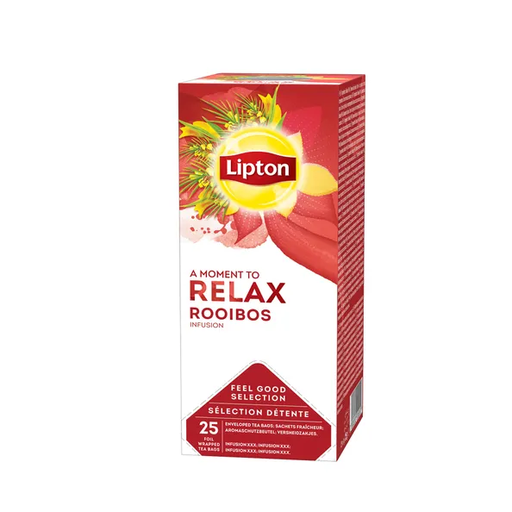 Image unavailable
Lipton Feel Good Selection Rooibos Herbal Tea, 25 sachets
Worth considering if you’re looking for rooibos to enjoy with your coffee. Check the packaging for information about caffeine, as well as any Fairtrade certification and the ingredients it covers.
View on Joybuy
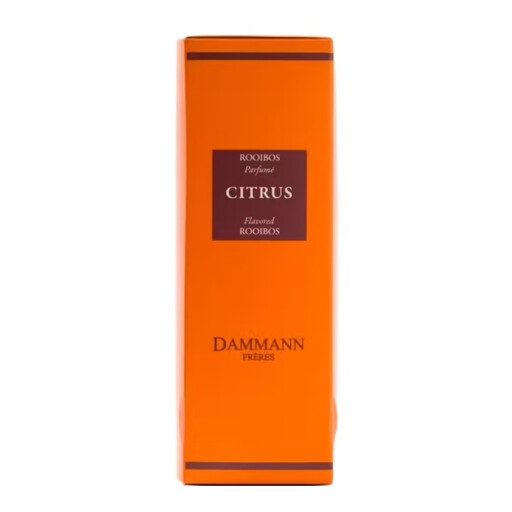 Image unavailable
DAMMANN FRERES Citrus Rooibos Herbal Tea, 24 sachets, 48 g
An option to consider if you prefer citrus rooibos with your coffee. Check the caffeine information and, if Fairtrade credentials are important to you, the standard shown on the packaging.
View on Joybuy
 Image unavailable
ELEPHANT Organic Verbena Mint Tea, 20 sachets
Consider this if you’re looking for a verbena and mint blend rather than a fruity flavour. If caffeine-free is essential, check the packaging; look separately for any Fairtrade claim.
View on Joybuy
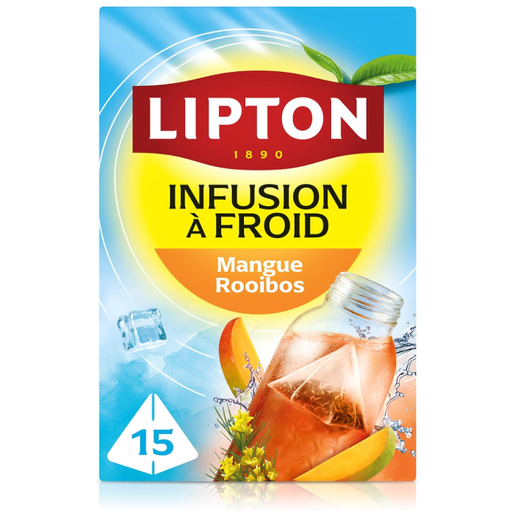 Image unavailable
Lipton Cold Infusion Rooibos Mango, 15 sachets
A cold rooibos and mango infusion to serve with coffee. Check the preparation instructions on the packaging, along with the caffeine information and what any Fairtrade certification covers.
View on Joybuy
Frequently asked questions
Does an organic logo mean an herbal tea is Fairtrade?
No. Organic and Fairtrade are separate schemes. Lidl France distinguishes between organic, Fairtrade/Max Havelaar and Rainforest Alliance, for example. Check the certification shown on the specific herbal tea you’re considering.
Is an infusion served with coffee always caffeine-free?
No. A blend may contain tea, which naturally provides caffeine according to Anses. If you want to avoid adding more caffeine to your coffee, check the ingredients list for tea and mate, and look for information specific to the product.
How can I tell what a Fairtrade certification covers?
Read the name of the standard and the details of what it covers on the packaging. The claim may apply to specific ingredients or a proportion of the blend. Fairtrade/Max Havelaar France says its standards are checked by an independent organisation; for other schemes, check the information specific to that standard.
What should I check before drinking liquorice herbal tea regularly?
Start by checking the ingredients list for liquorice. Anses warns against consuming large amounts of products containing it repeatedly and highlights that some people may be more sensitive to its effects. Ask a healthcare professional for advice if you have any concerns about your health or medication.
Does a ‘detox’ or ‘digestion’ herbal tea have a proven therapeutic effect?
These words alone don’t prove a therapeutic effect. The DGCCRF reminds consumers that nutrition and health claims are regulated. When choosing an herbal tea, look at its ingredients and flavour, and check any precautions relevant to you.


