Gamers who want clear Fairtrade proof
You want to be able to see what’s certified on the packaging, especially when a snack contains several ingredients, such as a chocolate biscuit.


If you’re looking for a Fairtrade cake or biscuit to enjoy during a gaming session, check the label on the biscuit or cake itself: a Fairtrade chocolate bar doesn’t certify the ingredients of a different product. If you’d rather have a bar to break into pieces or cocoa to prepare, also compare the ingredients, sugar content, serving size and allergens of the product you choose. Fairtrade certification doesn’t tell you about these.
You want to be able to see what’s certified on the packaging, especially when a snack contains several ingredients, such as a chocolate biscuit.
You’d rather compare the nutritional information and pack size before choosing between a ready-to-eat biscuit and a bar you can break into pieces.
You need to check the recipe and any possible traces on the specific product, then make sure it’s available through your usual shopping channel.
First, decide whether you want a ready-to-eat biscuit or cake, a bar to break into pieces, or cocoa to prepare: each format serves a different need. Then check the Fairtrade certification and food label for the specific product. Don’t assume its nutritional content from its label.
| What to check | Look for | Who is this for? |
|---|---|---|
| Fairtrade certification | The label on the specific product. For a product made with several ingredients that has an arrow beside the Fairtrade/Max Havelaar label, check which ingredients are covered and how they’re traced on the back of the pack. | I want a biscuit to snack on without assuming that a claim about its chocolate is enough to certify the whole product. Around 36% of consumers would put this proof of Fairtrade certification first. |
| Sugar and portion size | Sugar per 100 g and per serving, pack size and the Nutri-Score, if shown. Compare products intended for the same purpose. | For a long gaming session, I’d rather plan my portion than eat a whole pack without checking what’s in it. Around 29% of consumers would put this first. |
| Allergens | Allergens highlighted in the ingredients list and any precautionary ‘may contain’ statements on the pack you choose. | If I need to avoid an ingredient, Fairtrade certification doesn’t answer my question about the recipe. Around 21% of consumers would make allergen suitability their top priority. |
| Format and availability | Whether it’s ready to eat or needs preparing, and whether the exact product is available at the shop you have in mind. | I’m looking for a snack I can enjoy while gaming, without any preparation or an unnecessary trip. Around 14% of consumers would put this convenience first. |
A chocolate bar and a chocolate biscuit are two different products. For biscuits and other products made with several ingredients, Max Havelaar France describes a label with information that lets you check which ingredients are covered.
Check the label on the cake or biscuit you’re buying. If there’s an arrow beside the Fairtrade/Max Havelaar label, read the details on the back of the pack.
Fairtrade certification doesn’t tell you how much sugar or fat is in a biscuit or chocolate.
Compare the nutritional information per 100 g and per serving. If a Nutri-Score is shown, use it to compare products in the same category, but don’t rely on it alone to decide what suits your needs.
Fairtrade certification doesn’t replace ingredient information. According to the French Ministry of the Economy, allergens in prepacked foods must be listed and highlighted.
Also check for any ‘may contain’ statements on the packaging of the specific product, especially if you’re switching recipe or format.
A retailer’s general statements about Fairtrade don’t guarantee that a particular biscuit is certified or available in your local shop.
Before setting off, check which product is available locally, then check its packaging and ingredients.
These brands and retailers are a good starting point if you’re looking for Fairtrade chocolate or ingredients. Their inclusion here doesn’t mean every cake or biscuit they sell carries a Fairtrade label.
This co-operative offers Fairtrade chocolate, among other products. Carrefour’s listing for an Ethiquable 80% dark chocolate bar gives details of the share of that particular product declared to come from Fairtrade sources.
The brand offers organic Fairtrade chocolate, including chocolate bars.
Kaoka offers organic Fairtrade chocolate, including a 70% dark chocolate bar with crispy quinoa.
The retailer says it stocks Fairtrade brands, including Alter Eco and Ethiquable.
In May 2020, Lidl France announced that the cocoa used in its products was certified.
This selection is a chocolate bar to enjoy during a gaming break, not a cake or biscuit. If a specific Fairtrade certification is your priority, check the label and its details on the packaging of this product.
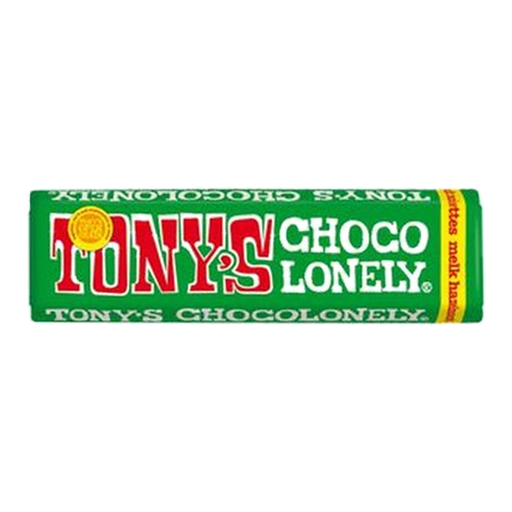 Image unavailable
This 47 g bar is a good choice if you’d rather have chocolate ready to eat than a biscuit during a gaming break.
Before choosing this product, check the packaging for any Fairtrade label, sugar content, ingredients and allergen information.
No. Don’t assume that every ingredient in a biscuit is Fairtrade. For a product made with several ingredients that has an arrow beside the label, check the information on the back of the pack to see which ingredients are covered and how they’re traced, as explained by Max Havelaar France.
Read the ingredients list and check for any ‘may contain’ statements on the pack you’re planning to buy. The French Ministry of the Economy states that allergens in prepacked foods must be listed and highlighted. Fairtrade certification doesn’t replace this check.
No. Fairtrade certification doesn’t determine how much sugar is in chocolate. Compare the nutritional information per 100 g and per serving for chocolates in the same category, then choose a format that suits how much you want to eat.
Look for the label on the specific product, in specialist shops or at retailers that stock Fairtrade products. Max Havelaar France says availability in large supermarkets can vary by retailer, so check that your local shop stocks the product before setting off.