Hosts who look for the Fairtrade logo
You want the confectionery served with coffee to carry the specific Fairtrade / Max Havelaar label. If so, check the product itself rather than assuming it’s certified because it’s described as ‘fairly traded’.


If you want to serve dragées bearing the specific Fairtrade / Max Havelaar label, check the logo on the packaging of the product you choose: the words ‘fairly traded’ alone aren’t enough. If you’re happy to serve a chocolate bar broken into portions, fairly traded chocolate with almonds or coffee can go well with an after-dinner coffee. You’ll still need to check the certification scheme and allergens for each product.
You want the confectionery served with coffee to carry the specific Fairtrade / Max Havelaar label. If so, check the product itself rather than assuming it’s certified because it’s described as ‘fairly traded’.
You’re looking for a small chocolate treat to serve after a meal. If dragées aren’t essential, you can break a chocolate bar with almonds or coffee into portions to serve with an after-dinner coffee.
Before serving dragées or chocolate, make sure you can check the ingredients, allergens and any ‘may contain’ warnings for the product you’ve chosen.
For an after-dinner coffee, first decide whether your priority is a specific label, a flavour that pairs well with coffee, the ingredients or confectionery that’s ready to serve. Whatever you choose, check the label on the product you’ll be serving.
| Criteria | What to check | Who it matters to |
|---|---|---|
| Fair trade label | Look for the Fairtrade / Max Havelaar logo if that’s the label you want, and distinguish it from other schemes shown on the packaging. | If I want to serve dragées specifically labelled Fairtrade / Max Havelaar, I need to recognise that logo on the product I buy. Around 40% of consumers would put this proof at the top of their list of criteria. |
| Pairs well with coffee | Compare the type of chocolate, almonds or coffee notes listed in the recipe, then consider how it will be served. | To round off a meal, I prefer a small portion of chocolate with a recipe that suits my guests’ tastes. This would be the main criterion for around 30% of consumers. |
| Ingredients and allergens | Read the ingredients, allergens and any ‘may contain’ warnings on the product you’ve chosen. | If any guests have known allergies, I need to be able to identify the ingredients before putting the confectionery on the table. Around 20% of consumers would prioritise this check. |
| Presentation | Choose between individual dragées that are ready to serve and a chocolate bar to break into portions. | If I want to arrange individual bites around the cups quickly, the dragée format is my main consideration. Around 10% of consumers would prioritise this format. |
SPP, BIOPARTENAIRE® and Fair for Life are the schemes cited for the chocolates featured here. Their presence alone doesn’t prove that these products carry the Fairtrade / Max Havelaar label.
If you require this specific label, check for its logo on the packaging of the product you’re planning to buy.
These details are no substitute for checking the fair trade scheme, ingredients and allergens.
Check the label, ingredients, ‘may contain’ warnings and best-before date shown on the product separately.
For some guests, a recipe containing almonds and any warnings about other allergens may matter more than how it’s presented.
Keep the packaging handy while serving and, if you know of any allergies, clearly identify any alternative options you offer.
These examples are chocolate bars that can be broken into portions, not dragées confirmed to carry the Fairtrade / Max Havelaar label. The scheme depends on the specific product you choose.
According to Ethiquable, its Dark Chocolate, Coffee and Almond bar combines dark chocolate with 65% cocoa, coffee and almonds.
Kaoka offers a 180 g dark chocolate bar with whole almonds, for anyone looking to serve pieces with coffee.
The Alter Eco range includes chocolate with almonds and coffee, with details to check for each product.
These two dark chocolate bars with almonds and sea salt can be broken into portions to serve with an after-dinner coffee. They’re chocolate bars, not dragées. If the Fairtrade / Max Havelaar label is important to you, check for the logo on the packaging of the product you choose.
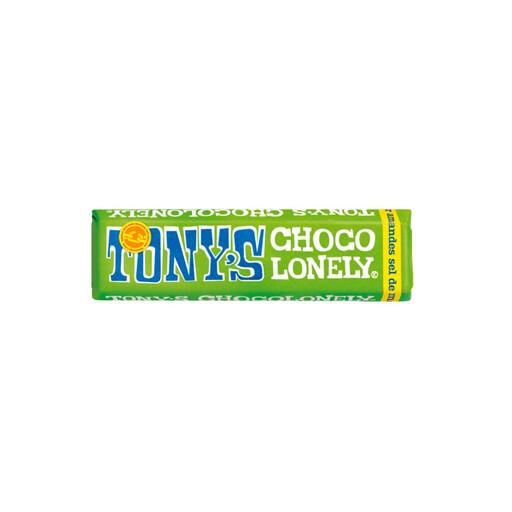 Image unavailable
This 47 g bar is a good choice if you’d rather serve a small chocolate bar than dragées with coffee. As the name suggests, the recipe combines dark chocolate, almonds and sea salt. Before serving, check the packaging for other allergens and any ‘may contain’ warnings.
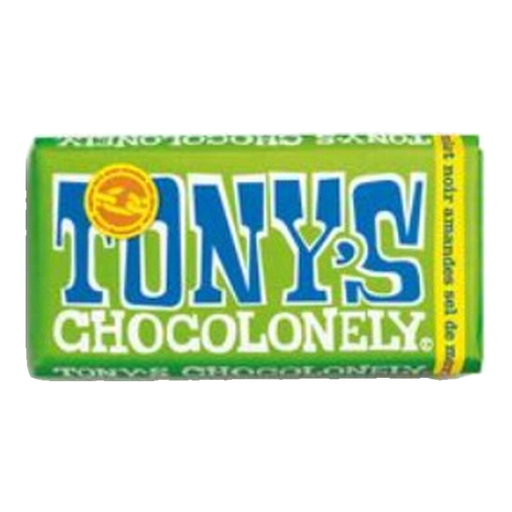 Image unavailable
You can break this 180 g bar into pieces to serve with coffee for several guests. It combines dark chocolate, almonds and sea salt. Allow time to portion it, and check the label for other allergens and any ‘may contain’ warnings.
No. If you’re looking specifically for the Fairtrade / Max Havelaar label, check for its logo on the product. A chocolate bar may be certified under another scheme, such as SPP, BIOPARTENAIRE® or Fair for Life, without carrying the label you’re looking for.
Check the product name, ingredients, quantity and stated best-before date, as well as the allergens and any ‘may contain’ warnings. For pre-packed food sold in France, the DGCCRF says that allergenic ingredients must be highlighted in the ingredients list.
Yes, especially in recipes containing almonds. Ethiquable’s Coffee and Almond bar contains almonds, and the brand warns that it may contain traces of other allergens. Always check the label of the specific product you’re serving.
Fairtrade / Max Havelaar France lists local shops, health food shops, fair trade shops and supermarkets as possible places to buy it. However, check the logo on the specific chocolate you’re interested in: a retailer stocking labelled products doesn’t tell you whether a particular dragée carries the label.