If clear fair-trade traceability is your priority, start with a product that clearly states its label, which ingredients it covers and the proportion that is certified. A single-ingredient recipe declared as fully covered is easier to assess than a blend. When choosing between different recipes, also compare the standards used, the flavour you prefer and, if you’re looking for an evening infusion, the caffeine information and whether it contains liquorice.
Who is this choice for?
Shoppers looking for clear certification
You want to know what proportion of a recipe is covered by a fair-trade label. A single-ingredient rooibos declared as fully compliant with Fairtrade/Max Havelaar standards is a straightforward example to assess, provided you check the exact product.
Fans of evening infusions
You’re looking for a flavourful, caffeine-free recipe. Check this information on your chosen product, then compare the ingredients and type of certification rather than assuming they’re the same across different blends.
Shoppers drawn to blends labelled ‘digestive’
A recipe name may suggest a particular occasion for enjoying it, but it doesn’t prove any therapeutic effect. Choose based on the ingredients and flavour, and pay attention to liquorice if you drink this type of infusion regularly.
Which criteria should you compare?
To compare a recipe fully covered by Fairtrade/Max Havelaar, a partially covered blend and another fair-trade approach, start by checking the label and what it covers. Then consider the ingredients and flavour profile to choose a drink you’ll enjoy making or drinking.
| Criterion |
What to check |
Who it matters to |
| Fair-trade coverage |
Look for the exact label, the stated proportion and the ingredients it covers. |
I want to be able to tell whether certification covers the whole recipe or just certain ingredients. Around 36% of consumers rank this kind of clarity as their top priority. |
| Caffeine and ingredients |
Check the caffeine information and whether the product contains liquorice. |
For an evening drink, I prioritise a recipe whose ingredients suit the occasion. This matters most to around 29% of consumers. |
| Flavour profile |
Compare the main ingredients, any added flavourings and the preparation instructions. |
If I choose an infusion to enjoy for its flavour, I want to be able to tell a fruity blend from a minty or spicy one. Nearly 21% of consumers choose based on flavour first. |
| Recipe name and intended use |
Read the ingredients and any precautions; don’t assume the blend’s name means it has a medical effect. |
After a meal, I might look for an aniseed or spicy flavour without expecting a therapeutic effect. Around 14% of consumers prioritise this occasion for enjoying an infusion. |
Common misconceptions to avoid
-
Assuming all fair-trade labels mean the same thing
Fairtrade/Max Havelaar, Fair for Life and FairWild refer to different standards. The proportion covered and the ingredients concerned can also vary from one recipe to another.
Compare the exact wording on the pack, the stated proportion and the ingredients it applies to.
-
Reading ‘digestive’ as a promise of effectiveness
An infusion’s name alone doesn’t establish a health benefit. It shouldn’t replace consideration of its ingredients or medical advice.
Choose this type of blend for its ingredients and flavour, not as a treatment.
-
Overlooking liquorice in a recipe you drink often
Anses warns of the risks associated with high, repeated consumption of liquorice, particularly for certain vulnerable groups.
Read the ingredients list and ask a healthcare professional for advice if your circumstances or medication mean you need to take particular precautions.
-
Assuming a product you’ve found is available everywhere
Carrefour listings for ETHIQUABLE mint infusion and Jardin BiO étic rooibos, cocoa and red fruit infusion showed them as unavailable through the channel checked.
Check the product and its availability with the shop or service where you plan to buy it.
Brands to assess product by product
The certification information below applies to specific recipes, not every infusion from each brand.
ALTER ECO
A single-ingredient organic rooibos for comparing a recipe declared as fully covered by fair-trade certification.
- According to Auchan’s listing for ALTER ECO rooibos in a 20-bag, 40 g pack, the recipe contains 100% rooibos and is declared compliant with Fairtrade/Max Havelaar standards.
- This information applies to this specific rooibos. Check the pack if you choose another recipe from the brand.
ETHIQUABLE
A blend of rooibos, sweet mint and lemongrass for anyone looking for a flavourful, caffeine-free infusion.
- Carrefour’s listing for ETHIQUABLE mint infusion describes its ingredients as 100% sourced from fair trade and organic farming by total weight.
- Check this claim and availability for the specific product and retailer you choose.
Jardin BiO étic
A rooibos, cocoa and red fruit recipe for anyone happy with clearly stated partial fair-trade coverage.
- Carrefour’s listing for this infusion states that the rooibos meets Fairtrade/Max Havelaar standards and accounts for 75% of the ingredients of agricultural origin.
- This proportion doesn’t mean that every ingredient in the recipe is certified.
Pukka
Herbal blends to consider if you’re also open to fair-trade schemes other than Fairtrade/Max Havelaar.
- For Pukka Digestion infusion, Carrefour states that 44.5% of the ingredients come under the Fair for Life standard.
- This doesn’t mean the whole recipe is certified Fairtrade/Max Havelaar. It contains liquorice, which is worth bearing in mind if you drink it regularly, in light of Anses’ warning.
Twinings
A range to explore if variety of flavour is important to your choice.
- Twinings France showcases a range of 40 flavours across its teas and infusions.
- If fair-trade certification is essential to you, check the label on the exact product rather than relying on the brand or the variety of the range.
Infusions and related drinks on Joybuy
This selection includes infusions to prepare and ready-to-drink beverages. Whether you’re looking for a brewed cup or a bottled drink, check the ingredients and the scope of any fair-trade claims on each product. The format alone doesn’t tell you about certification or caffeine.
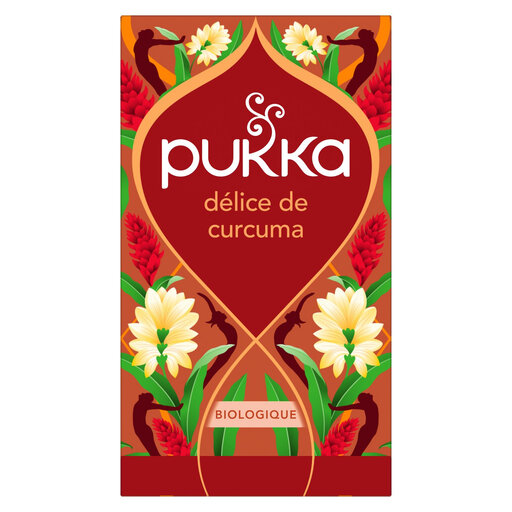 Image unavailable
Pukka Turmeric Delight Organic Tisane, 36 g
For a spicy infusion to prepare at home, compare the ingredients covered by the different fair-trade claims on the pack.
If you plan to drink it regularly, check whether it contains liquorice too. For a caffeine-free drink, check the information for this specific product.
View on Joybuy
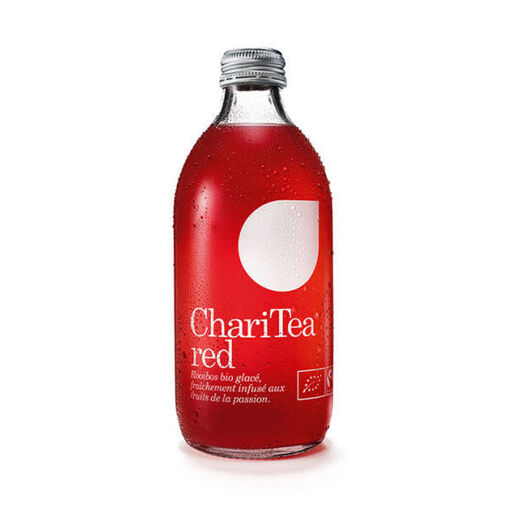 Image unavailable
Charitea Red Organic, 33 cl
This 33 cl ready-to-drink rooibos means you can enjoy a drink without brewing an infusion from a tea bag.
If physical traceability for every ingredient matters to you, look for the mass-balance claim relating to the passion fruit juice. Also check the caffeine information for the drink as a whole.
View on Joybuy
 Image unavailable
Pukka Organic Gingers Herbal Tea, 36 g
For a root-based infusion to prepare at home, check the pack to distinguish the Fairtrade claim from the Fair for Life standard before assessing how much of the recipe is fair trade.
If you plan to drink this infusion regularly, it’s also worth checking whether it contains liquorice.
View on Joybuy
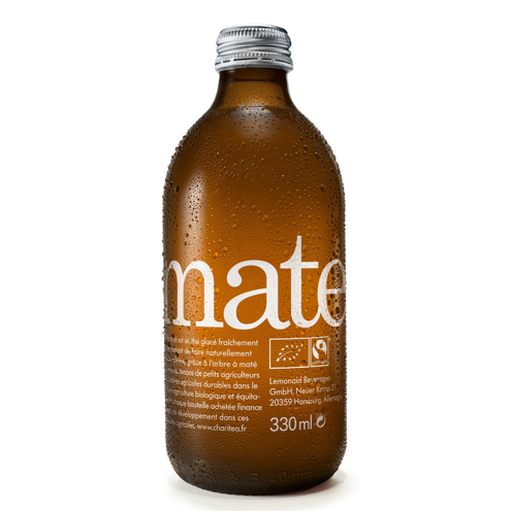 Image unavailable
Charitea Organic Mate Tea, 33 cl
This 33 cl ready-to-drink mate beverage offers a different option from a loose infusion that you prepare yourself.
Check which ingredients are covered by the Fairtrade claim and how the stated proportion is calculated. If you’re looking for a caffeine-free drink, check the ingredients and caffeine information before choosing.
View on Joybuy
Frequently asked questions
How can I tell whether an entire infusion is Fairtrade/Max Havelaar certified?
Read the label and the information provided for the exact product. Max Havelaar France says its label without an arrow means that all the ingredients meet Fairtrade specifications. For a multi-ingredient product bearing an arrow, check the details on the back of the pack. A stated proportion for certain ingredients doesn’t necessarily cover the whole recipe.
Can an infusion called ‘digestive’ replace a treatment?
No. An infusion’s name doesn’t prove it has a therapeutic effect, and the drink isn’t a substitute for treatment. Choose a recipe based on its ingredients and flavour. If you have an ongoing health concern, seek medical advice.
Should I avoid all infusions that contain liquorice?
Not necessarily, but high and repeated consumption calls for caution. Anses highlights risks including hypokalaemia and high blood pressure, and advises vulnerable groups to take care. Check the ingredients and ask a healthcare professional for advice if you’re pregnant, breastfeeding, have a relevant medical condition or take medication.
How should I store infusion bags after buying them?
Follow the instructions on the pack for your product. Storage guidance may recommend keeping the bags away from moisture, air or light. Reseal their container as directed on the product.


