Shoppers looking for clear fair trade credentials
You want to distinguish proof of fair trade from an organic logo alone. Compare the claim on each product and, where stated, check what proportion of the ingredients it covers.


For your weekly shop, choose a herbal tea whose box clearly states the fair trade label or supply chain, then compare the blends by flavour and ingredients. As Artisans du Monde points out, an organic logo alone is not proof of fair trade. Also check whether the tea contains liquorice if you drink the same blend regularly.
You want to distinguish proof of fair trade from an organic logo alone. Compare the claim on each product and, where stated, check what proportion of the ingredients it covers.
You’re looking for blends to enjoy throughout the week. Checking the ingredients helps you choose different flavours rather than relying on the blend’s name alone.
You check the ingredients before regularly buying the same blend again. Anses advises caution around high, repeated consumption of products containing liquorice.
For your weekly shop, first check the fair trade credentials of the product you’ve chosen, then consider its flavour profile and any ingredients to watch out for if you drink it regularly.
| What to check | Look for | Who is it for? |
|---|---|---|
| Fair trade credentials | Look for the label or named supply chain on the box. For a blend, check what proportion of the ingredients is covered, if stated. Artisans du Monde distinguishes organic certification from fair trade. | If I choose this herbal tea for its fair trade credentials, I want to know exactly what guarantee applies to the blend. Around 50% of shoppers prioritise this proof. |
| Flavour and caffeine | Read the ingredients that define the blend. If you want to avoid caffeine, check that it doesn’t contain tea from the tea plant. | When choosing different hot drinks, I first look for a flavour I enjoy and, depending on the time of day, a blend without tea leaves. This comes first for around 30% of shoppers. |
| Regular consumption | Check for liquorice and read any warnings on the product. Anses has highlighted the risk associated with high, repeated consumption of liquorice. | If I buy the same herbal tea every week, I want to know which plants it contains before drinking it often. Around 20% of shoppers put this precaution first. |
Organic and fair trade products meet different criteria. Artisans du Monde explains that a product can be organic without being fair trade, and vice versa.
Check the two claims separately on the box of the herbal tea you plan to buy.
For a herbal blend, check the claim shown and the proportion of ingredients it covers for each individual product.
Look for the standard’s name on the packaging and check the proportion of certified ingredients, if listed.
According to Anses, high, repeated consumption of liquorice can lower blood potassium levels and cause high blood pressure.
Check the ingredients for liquorice. If you fall into one of the groups Anses has identified as potentially sensitive, speak to a healthcare professional before consuming it regularly.
Ethiquable describes its Paysans d’ici range as organic herbal infusions made through fair trade in France.
Clipper offers organic herbal infusions with plants, fruit or spices, and highlights its fair trade sourcing.
Pukka says its teas meet the Fair for Life standard, which is distinct from Fairtrade/Max Havelaar.
Lipton describes its Yellow Label product as black tea, which is different from a herbal infusion.
These Pukka blends offer a range of options for your weekly shop. Compare the ingredients and check the fair trade claim on each box to see what applies to the blend you choose.
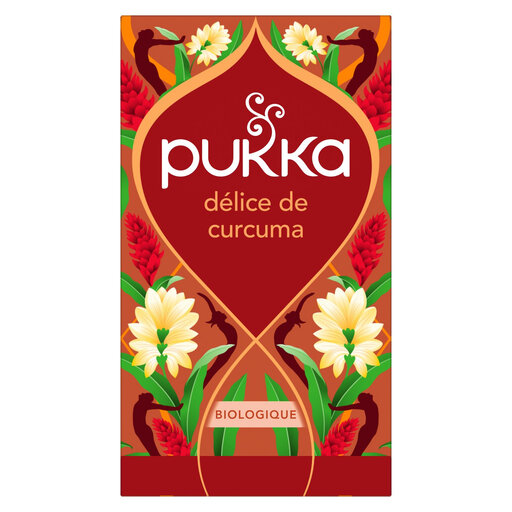 Image unavailable
An option to consider if you’re looking for a turmeric infusion to enjoy during the week.
The blend contains liquorice. Check the packaging for the fair trade standard and the proportion of ingredients it covers.
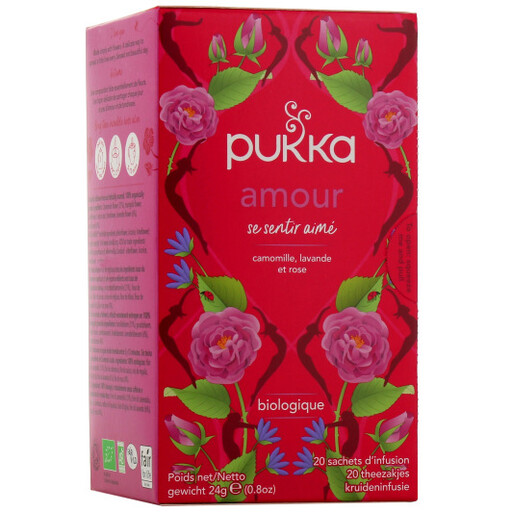 Image unavailable
Compare it with the other blends if you prefer floral flavours.
This blend contains liquorice. Read the fair trade claim on the box to find out which standard applies and which ingredients are covered.
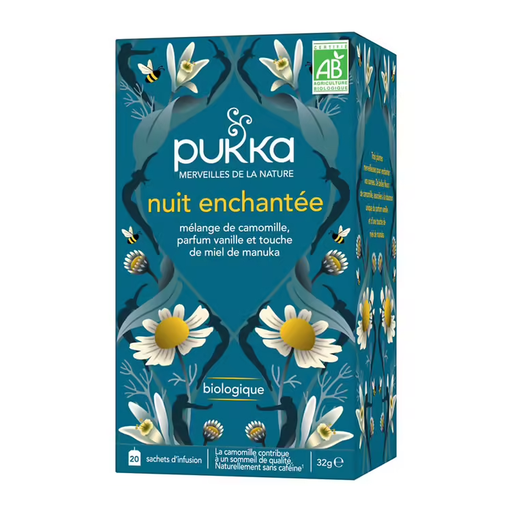 Image unavailable
Described as an evening blend, it’s best chosen for its ingredients rather than any expected effect.
It contains liquorice. Also check the box for the fair trade standard stated for this product.
 Image unavailable
Worth considering if you’re looking for a ginger blend.
Descriptions of this product differ on which ingredients are covered by its fair trade credentials, so follow the wording on the packaging. The blend also contains liquorice.
 Image unavailable
According to its Joybuy listing, this infusion contains aniseed, fennel and liquorice root. Choose it for its ingredients, rather than assuming it will have an effect based on its name.
The FairWild claim on the listing is not enough to establish that this blend is Fair for Life certified. Check the standard stated on the packaging.
No. Artisans du Monde points out that a product can be organic without being fair trade, and vice versa. Check for each claim separately on the product you’re buying.
No, they are separate standards. Pukka says its teas meet Fair for Life. To find out which guarantee applies to a particular herbal tea and what proportion of its ingredients is covered, read the packaging.
Follow the instructions on the box, as brewing times vary by blend. Clipper, for example, recommends brewing Lemon & Ginger for 2 to 5 minutes.
Read the warnings on the box before drinking it regularly. Anses highlights risks associated with high, repeated consumption of liquorice, particularly for people who are pregnant or breastfeeding, children, and people with cardiovascular, kidney or liver problems. If this applies to you, ask a healthcare professional for advice.
Yes. Ethiquable describes its Paysans d’ici range as made through fair trade in France. Even so, check the claim on the box and the origin of the ingredients in the blend you choose.