People avoiding caffeine at lunchtime
If you’d like a hot drink during your work-from-home lunch break without adding caffeine, check the exact recipe. Carrefour describes its Alter Eco rooibos tea, for example, as naturally caffeine-free.


For a caffeine-free lunch break, start with a rooibos recipe explicitly described as naturally caffeine-free, then check what its fair-trade credentials cover. If you’d rather have a herbal blend or a ready-to-drink option, compare the ingredients and the scope of the label for that specific product: fair-trade ingredients don’t necessarily mean the whole recipe meets the same standard.
If you’d like a hot drink during your work-from-home lunch break without adding caffeine, check the exact recipe. Carrefour describes its Alter Eco rooibos tea, for example, as naturally caffeine-free.
If fair trade matters to you, check the label or standard and which ingredients it applies to. A “organic” claim or a range name alone won’t tell you this.
Mint, ginger and fruity blends can help you find a flavour you enjoy. Check the ingredients list too: some recipes contain liquorice, which is worth considering if you plan to drink them regularly.
When choosing a fair-trade herbal tea for lunchtime, first check what the fair-trade credentials cover, then look for caffeine and review the ingredients.
| What to consider | What to check | Who is it for? |
|---|---|---|
| Scope of fair-trade credentials | The named label or standard, and which ingredients or proportion of the recipe it covers. | I want to know what the fair-trade claim actually covers, rather than relying on the brand name alone. Around 42% of consumers put this proof at the top of their list of concerns. |
| Caffeine content | What the specific recipe says and whether it contains tea, maté or guarana. | For my lunchtime hot drink, I want to avoid caffeine without assuming that every herbal tea is caffeine-free. This is a priority for around 33% of consumers. |
| Flavour and preparation | The ingredients list, especially for liquorice, as well as the format and brewing instructions. | If my break is short, I want a flavour I enjoy and a preparation method that suits the time I have. Flavour and convenience come first for around 25% of consumers. |
In a blend, fair-trade credentials may apply to only some of the ingredients. Auchan’s listing for Pukka Three Mint says that 39% of the ingredients are audited under Fair for Life; Carrefour’s listing states that Fairtrade/Max Havelaar rooibos makes up 75% of the weight of Jardin Bio Étic’s rooibos, cocoa and red berry infusion.
Check the standard, the stated proportion and the ingredients covered for the specific recipe you’re considering.
The product category alone doesn’t tell you what’s in it. Anses notes that caffeine occurs naturally in several plants, including tea.
If you want to avoid caffeine at lunchtime, look for an explicit claim on the specific recipe and check its ingredients.
The name doesn’t tell you whether it works or whether its ingredients come with any precautions. Anses warns that drinking large amounts of liquorice products repeatedly can cause adverse effects, including high blood pressure.
Check whether the recipe contains liquorice and consider how often you plan to drink it.
One option to look into if you’re after an organic rooibos tea described as fair trade.
Another option for a lunchtime rooibos tea.
Herbal blends to check recipe by recipe if you’d prefer something other than plain rooibos.
A rooibos, cocoa and red berry option for comparing what a Fairtrade/Max Havelaar claim covers.
This selection includes herbal teas to brew and a ready-to-drink rooibos beverage. If you’re specifically looking for a hot, caffeine-free tea, check each recipe for this feature: a ready-to-drink format is designed for a different kind of break.
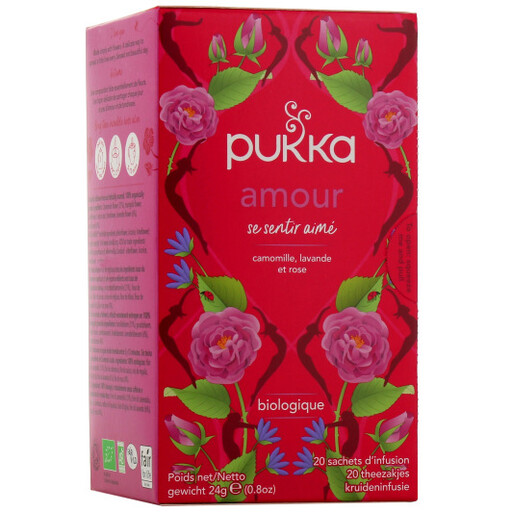 Image unavailable
Worth considering if you’re after a herbal tea for your lunch break. If you plan to drink it regularly, check the ingredients for liquorice and see which ingredients the fair-trade claim applies to.
 Image unavailable
An option to consider if you prefer a spicy blend to rooibos tea. Check the packaging for the exact proportion covered by Fair for Life: information about this recipe varies. If you plan to drink it regularly, check whether it contains liquorice too.
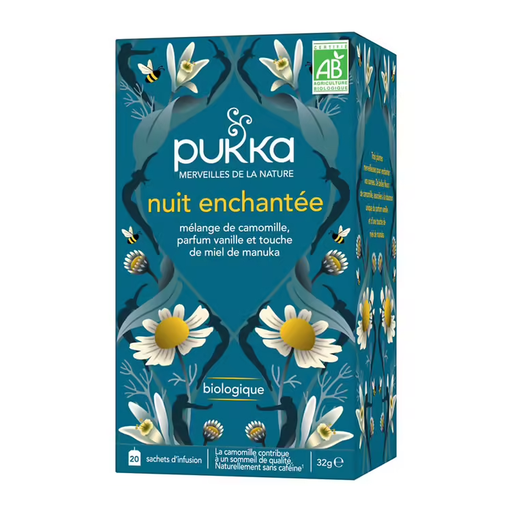 Image unavailable
Worth comparing if you’re looking for another herbal recipe with clearly identified fair-trade ingredients. If caffeine-free is essential for your lunch break, check the packaging; check the ingredients for liquorice too.
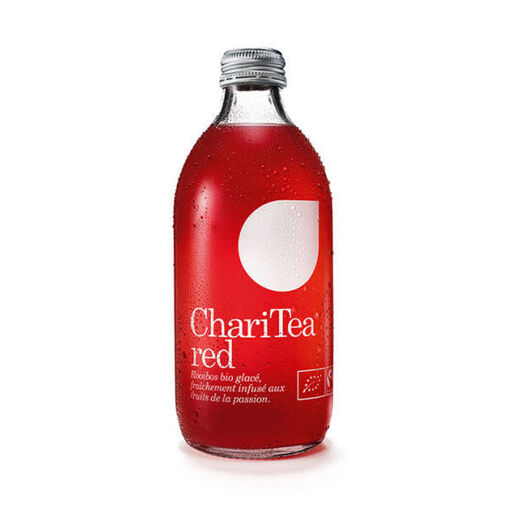 Image unavailable
This ready-to-drink rooibos is handy when you don’t have time to brew tea, but it isn’t a substitute for a hot tea bag. If caffeine matters to you, check the relevant claim, as well as the scope of the Fairtrade claim on the packaging, particularly for the passion fruit juice.
Look for the label or standard on the specific recipe, then check which ingredients and what proportion it applies to. Fairtrade/Max Havelaar France outlines the social, economic and environmental criteria for its label. For a blend, Auchan’s listing for Pukka Three Mint, for example, states that 39% of the ingredients are audited under Fair for Life.
No. Check the ingredients and look for an explicit caffeine-free claim on the recipe you choose. Anses notes that some plants, including tea, naturally contain caffeine. Carrefour describes Alter Eco rooibos tea as naturally caffeine-free, but this doesn’t mean all herbal teas are caffeine-free.
Take its presence into account before making it a regular drink. Anses warns that frequently consuming large amounts of products containing liquorice can cause adverse effects, including high blood pressure. If you have a specific health concern, ask a healthcare professional for advice.