What should you check before choosing?
For herbal tea with an afternoon snack, start by checking what the fair trade label covers. Then choose a blend that suits the occasion and the people who’ll be drinking it.
| Criterion |
What to check |
Who is this for? |
| What the fair trade label covers |
Look for the label on the box and check which ingredients or what proportion it applies to. Fairtrade/Max Havelaar, Fair for Life and BioPartenaire refer to different standards. |
I want to link my choice to a specific commitment, not just a claim on the box. Around 50% of consumers would put this proof of fair trade credentials first. |
| Taste and possible caffeine content |
Compare the flavours and read the ingredients, particularly to check for tea or maté if you want to avoid caffeine. |
When sharing a drink, I first look for a blend that everyone will enjoy and that suits the time of day. This would be the priority for around 30% of consumers. |
| Plant-based ingredients |
Read the list of plants and any usage precautions, especially if the blend contains liquorice. |
Before choosing a herbal blend, I want to know what it contains and take my circumstances into account. Around 20% of consumers would make these ingredients their main criterion. |
Pukka herbal teas on Joybuy
These Pukka products let you compare several blends for an afternoon snack. The name or range alone isn’t enough: check the fair trade label on each box, what it covers and the ingredients.
 Image unavailable
Pukka Organic Gingers, herbal tea 36 g
Worth considering if you’re looking for a ginger-based blend to enjoy with an afternoon snack. Check the box for the other plants in the blend and what the fair trade label covers.
View on Joybuy
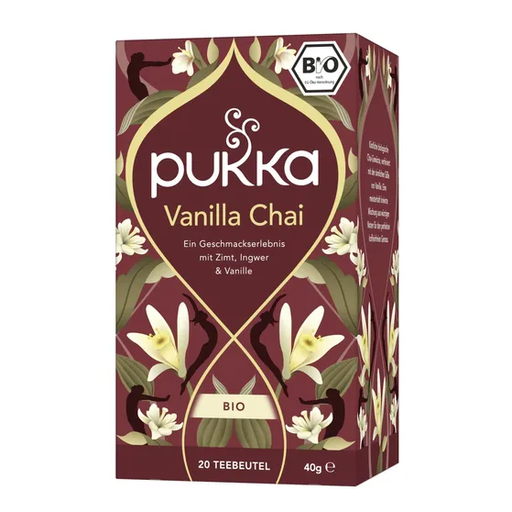 Image unavailable
Pukka Vanilla Chai, 20 tea bags
If a vanilla chai-style blend appeals to you, compare its ingredients with your preferences. The box contains 20 tea bags; check it for the fair trade label and which ingredients it covers, too.
View on Joybuy
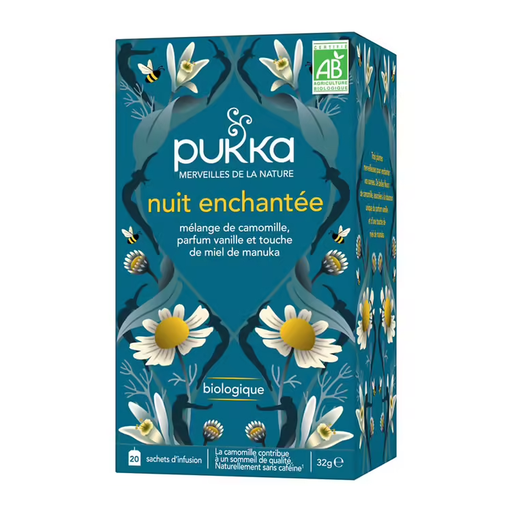 Image unavailable
Pukka Enchanted Night, organic herbal tea 32 g
If you’re considering this herbal tea for an afternoon snack, go by its ingredients rather than the name Enchanted Night. If caffeine-free matters to you, check the information on the box, as well as what the fair trade label covers.
View on Joybuy
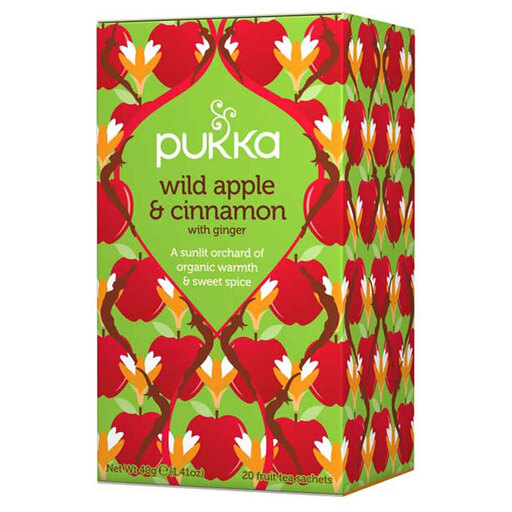 Image unavailable
Pukka Wild Apple Cinnamon, 20 tea bags
The apple and cinnamon flavour in the name may help you choose a blend for an afternoon snack. The box contains 20 tea bags; check the ingredients and look for details of the fair trade standard that applies to this product.
View on Joybuy
 Image unavailable
Pukka Organic Digestion, herbal tea 40 g
Choose this herbal tea for its plants and flavour, rather than assuming the name Digestion means it has a health benefit. Check the packaging to see which fair trade standard applies and to which ingredients.
View on Joybuy
Frequently asked questions
How can you tell if herbal tea is fair trade?
Look for a recognised label on the box of the product you’ve chosen, then check which ingredients it covers. Fairtrade/Max Havelaar and Fair for Life are two possible standards to look for. Fair for Life, in particular, requires products to indicate the proportion of fair trade ingredients.
Is fair trade herbal tea always caffeine-free?
No. Fair trade credentials alone don’t tell you whether a product contains caffeine. Some ranges include both herbal teas and teas, so check the ingredients of the product you’re interested in, particularly if you want to avoid tea or maté.
Does herbal tea called ‘detox’ or ‘digestion’ guarantee a health benefit?
No. The name of a blend doesn’t guarantee a therapeutic effect. For an afternoon snack, choose based on the ingredients and flavour first. If you have a question about your health or medication, speak to a healthcare professional.
What should you check if herbal tea contains liquorice?
Read the usage precautions and consider how often you drink it. Anses warns that excessive, repeated consumption of liquorice can cause serious side effects. Seek professional advice if you have a health condition, take medication or are unsure.


