Rooibos fans at breakfast
If you’d like a hot drink without tea leaves to enjoy with toast, brioche or cereal, Alter Eco and Ethiquable’s plain fair trade rooibos products are worth considering. Their flavours are different from tea.


To go with a sweet breakfast, first choose an herbal infusion whose fair trade claim applies to the specific product, then compare rooibos and herbal blends based on the flavours you’re looking for. If you want to avoid the caffeine in tea, check that the ingredients don’t include tea leaves. Fair trade tea is a different choice.
If you’d like a hot drink without tea leaves to enjoy with toast, brioche or cereal, Alter Eco and Ethiquable’s plain fair trade rooibos products are worth considering. Their flavours are different from tea.
If fair trade is your starting point, look for a claim, certification or supply chain information on the product you choose. ‘Organic’ relates to a different criterion and isn’t enough to establish that a product is fair trade.
Vanilla notes, spices, mint or fennel: the ingredients can make a noticeable difference to the flavour in your cup. Compare them with the foods in your breakfast rather than relying on the recipe name alone.
Start by checking the fair trade claim on the specific product, then choose ingredients and a format that suit your breakfast.
| Criterion | What to check | Who is it for? |
|---|---|---|
| Fair trade | Look for a claim or certification on the exact product and check whether it applies to the whole recipe or only certain ingredients. | I want to know exactly what the fair trade commitment covers before choosing a box; around 31% of shoppers may put this evidence at the top of their list. |
| Flavour | Compare the ingredients and flavours: a strongly minty or spicy blend will taste different from plain rooibos. | With a sweet breakfast, I’m mainly looking for a flavour I’ll enjoy that won’t overpower my food. Flavour may be the top priority for around 25% of shoppers. |
| Caffeine | Check whether the ingredients include black, green or white tea, even if the blend also contains herbs. | If I want to avoid the caffeine in tea, the ingredients matter more to me than the name of the drink; around 25% of shoppers may make this their first criterion. |
| Preparation | Compare tea bags, loose tea and ready-to-drink options, and check the brewing time if preparation is needed. | In the morning, I prefer a format that fits easily into my routine; ease of preparation may come first for around 19% of shoppers. |
Organic certification alone doesn’t prove that an herbal infusion is fair trade. The DGCCRF distinguishes between these claims and has found irregularities in the use of fair trade wording.
Check the claim, certification or supply chain information shown on the pack or the product page for the specific recipe.
Black, green and white tea naturally contain caffeine, even when blended with herbs or flavourings.
If you want to avoid the caffeine in tea, read the full ingredients list before choosing a product.
Mint, fennel, ginger and spices all taste different from plain rooibos; whether they go well with your sweet breakfast depends on your tastes.
For a gentler flavour, start by looking at plain blends. Save the more distinctive ones for ingredients you already enjoy.
Plain rooibos worth considering if you’re looking for a fair trade infusion to go with sweet foods.
Fair trade and organic rooibos options, plain or spiced, to choose between according to your tastes.
Herbal infusions worth considering for their ingredients and flavours, without assuming that every recipe carries a fair trade claim.
If a cold drink would suit your sweet breakfast, this option is a ready-to-drink rooibos rather than a dry herbal infusion to brew in a cup.
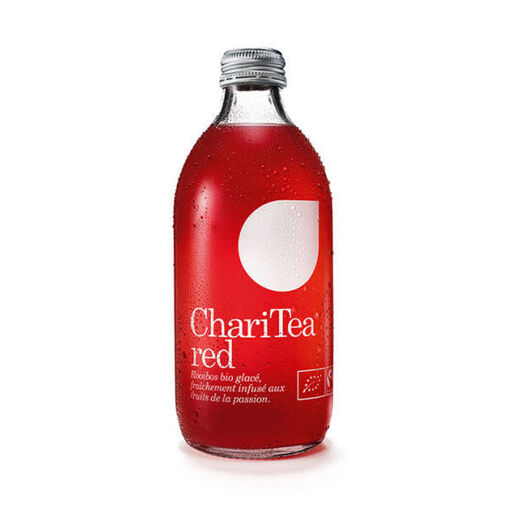 Image unavailable
Worth considering if you’d like a cold, ready-to-drink option with breakfast rather than a hot infusion to brew.
Size: 33 cl. If avoiding caffeine is important to you, check the information for this product before buying.
No. ‘Organic’ and ‘fair trade’ refer to different criteria. For a recipe with several ingredients, also check which ingredients the fair trade claim applies to.
Yes, if you’re looking for the flavour of an infusion rather than tea: Ethiquable describes its fair trade rooibos as caffeine-free. However, it won’t meet the same need as tea chosen for its caffeine.
Start with flavours you already enjoy: plain rooibos tastes different from a blend with mint, fennel or spices. Read the ingredients before choosing a recipe whose name simply suggests a sweet flavour.
Tea made from tea leaves naturally contains caffeine, whether it’s fair trade or blended with herbs. If you want to limit your intake, check the ingredients and consider what else you drink; Anses notes that the effects of caffeine vary from person to person.