Anyone who wants to check what a fair-trade claim covers
You want to know what the label or claim applies to on the specific product you’re buying, rather than relying on a brand’s reputation.


If you want chocolate bites and a verifiable fair-trade claim, making them at home lets you choose the chocolate, but it doesn’t mean every additional ingredient is fair trade. A chocolate bar can be served with toast and jam if the bite-sized shape isn’t essential. For ready-to-serve bites, check the exact product: the brand name or where it’s stocked in the chocolate aisle doesn’t establish its fair-trade status.
You want to know what the label or claim applies to on the specific product you’re buying, rather than relying on a brand’s reputation.
You’re happy to make the bites yourself so you can choose the chocolate and additional ingredients. Kaoka shares a recipe for milk chocolate and hazelnut bites.
You want to serve chocolate bites alongside toast and jam, without any preparation. You’ll still need to check the fair-trade status, ingredients and allergens of the product you choose.
Decide whether the bite-sized format is essential, then check what the fair-trade claim covers and what’s in the product you plan to serve.
Worth considering: if you want to keep the bite-sized shape while choosing the chocolate yourself.
Bear in mind: preparation takes time, and you’ll need to check any additional ingredients separately.
Worth considering: if convenience comes first and you can verify the fair-trade claim on the product you choose.
Keep in mind: the bite-sized format alone tells you nothing about the label or allergens.
Worth considering: if you’re mainly looking for chocolate to serve with toast and jam.
Be aware: a chocolate bar doesn’t have the shape or texture of a hazelnut and wafer chocolate bite.
| What to consider | What to check | Who is this for? |
|---|---|---|
| What the fair-trade claim covers | Look for a label or claim on the exact product and read the details on the packaging, including which ingredients it applies to. | If a fair-trade commitment is what motivates my purchase, I want to understand what it covers before I choose. Around 40% of consumers put this check first. |
| Bite-sized format | Choose between ready-to-serve bites, making them at home, or a chocolate bar to enjoy alongside your toast. | For an afternoon treat, I want to serve proper bites rather than squares of chocolate. Keeping the bite-sized format is the priority for around 30% of consumers. |
| Ingredients and allergens | Read the ingredients list for each product. If you’re making a recipe at home, check the additional ingredients too. | When the ingredients influence my choice, I need to check each one before serving the chocolate. Around 30% of consumers put ingredients and allergens first. |
For a confection made with chocolate, hazelnuts and other ingredients, it’s worth checking exactly what a label covers. Fairtrade/Max Havelaar France provides specific guidance for composite products.
Check the packaging to find out what the claim applies to on the product you’ve chosen.
A bite-sized chocolate may suit you because of its shape, but its name or where it’s sold doesn’t prove that it has fair-trade certification.
Before choosing it on these grounds, look for a verifiable claim on the exact product.
A product listing for Ferrero Rocher published by Carrefour France includes milk, hazelnuts, soya and wheat. Its ingredients don’t tell you what’s in another product.
Read the ingredients list and allergen information for every product you buy.
A chocolate bar and a chocolate bite aren’t served in the same way. Making the bites yourself gives you the bite-sized format, but takes preparation and extra ingredients.
If you simply want chocolate to serve with toast and jam, consider whether a chocolate bar would suit you too.
An option for making chocolate bites at home with chocolate that Kaoka describes as organic and fair trade.
A brand to explore if you’re happy to serve a chocolate bar instead of a bite-sized treat.
A useful point of comparison for ready-to-serve chocolate bites, without assuming they’re fair trade.
This hazelnut chocolate bar is an option to serve alongside other food if the bite-sized format isn’t essential. Before choosing it for its fair-trade credentials, check what the claim on its packaging covers.
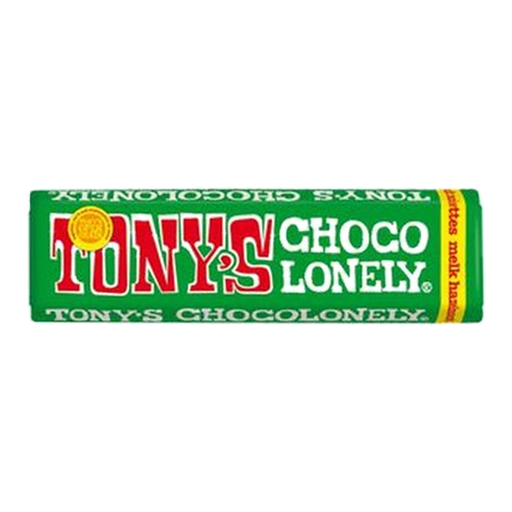 Image unavailable
Worth considering with toast and jam if you don’t need a bite-sized chocolate treat.
This is a 47 g milk chocolate bar with hazelnuts. Its product listing describes it as “Fair trade chocolate”. Check the packaging to see what this claim covers for the product you’re buying.
Not necessarily. Read the packaging details to find out which ingredients the claim applies to. Fairtrade/Max Havelaar France provides separate guidance for composite products.
No. Check the claim or label on the ready-to-eat chocolate bite you plan to buy. A recipe made with chocolate described as fair trade doesn’t prove the status of another confection from the same brand.
Read the information for the exact product. A Ferrero Rocher listing published by Carrefour France includes milk, hazelnuts, soya and wheat. This list shouldn’t be assumed to apply to every chocolate bite.
Yes. Kaoka shares a recipe for chocolate bites using its milk chocolate, which the brand describes as organic and fair trade. Check this claim on the chocolate you buy, then look at the other ingredients separately to suit your needs.