
Livraison le jour même ou le lendemain

Qualité garantie

Débloquez vos offres de bienvenue: Livraison GRATUITE | Jusqu'à -80 % | 30 jours d'essai gratuits à JoyPlus
Téléchargez l'application
An irritated nose, sheets that tear, an empty box at the worst possible moment or pocket packs forgotten at the bottom of a bag: facial tissues should not be chosen on price alone. At home, in the office, while travelling or during a cold or allergy flare-up, a few details can make a real difference to everyday comfort.
Some marketing claims also deserve closer attention. The term ‘ultra-soft’ does not necessarily specify the number of plies. A large quantity may conceal very thin sheets or an impractical format. Likewise, a product described as suitable for sensitive skin does not mean you can skip checking its ingredients and the precautions shown on the packaging.
Two boxes may display a similar number of sheets while offering very different dimensions. A large sheet is practical for wiping your face or hands, while a small tissue is easier to carry. So remember to compare:
For families, larger multipacks mean you can restock less often. However, they require enough storage space in a dry place protected from moisture.
3-ply tissues or 4-ply tissues generally contain more material than 2-ply models, but thickness is not everything. Texture, strength and any added fragrance also affect comfort. For frequent use, especially if you have a sensitive nose, a soft yet strong sheet means you will not need to rub too hard.
The term hypoallergenic tissues should be interpreted with care: it does not guarantee that no individual reaction will occur. Check for fragrance, skincare ingredients, alcohol or other added components. People prone to irritation may wish to start with a small pack and stop using the product at the first sign of discomfort.
For everyday use on the nose and face, 2-ply tissues may be sufficient. Choose 3-ply and 4-ply models when you want greater strength or use the sheets very regularly. Products advertised as suitable for dry or wet use should not be confused with flushable wipes: the product listings recommend putting them in the bin.
Dry and wet facial tissues made from cotton or non-woven material can be used to clean the face, remove make-up or care for children. However, single-use products create more waste than washable fabric.
The material may consist of cellulose wadding, virgin wood pulp, cotton or non-woven fibres of plant origin. The FSC label relates to responsible sourcing of forest-based materials, according to the scope covered by the certification. On its own, it does not indicate how soft or strong the tissue is.
For FSC tissues, check the information printed on the packaging as well as the product’s exact reference. A statement such as ‘70% FSC-certified blend’ does not mean that 100% of the material is certified.
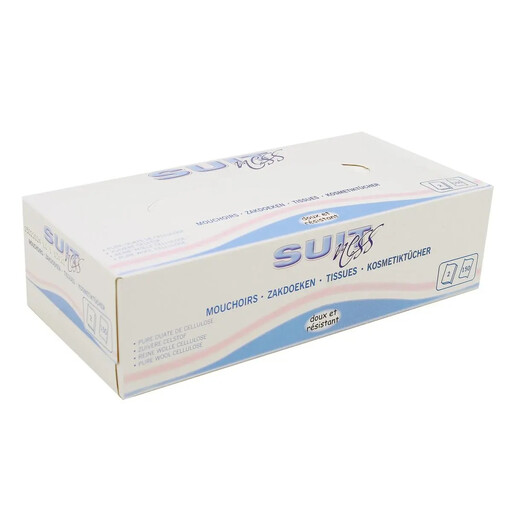
Why this choice suits this profile : With 150 sheets, this box is a simple starting point for home or the office, without requiring you to buy a large multipack straight away.
The listing clearly states the 2-ply format and the 150 tissues. This makes comparison more transparent than relying on a simple volume claim.
A practical box, 150 sheets, material listed as cellulose wadding and suitable for everyday use.
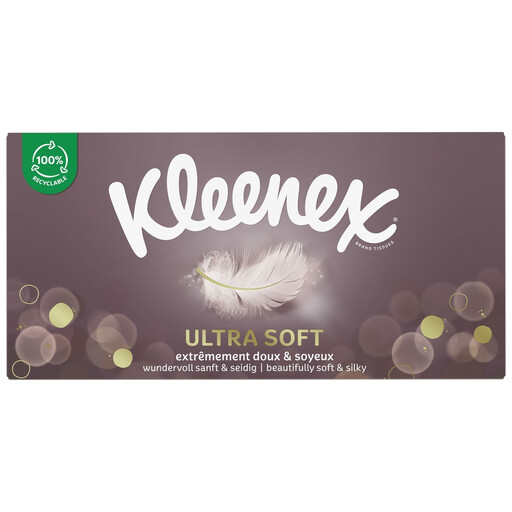
Why this choice suits this profile : The 3-ply format and compact box are ideal for anyone who places particular importance on softness and presentation in a living space.
The number of plies and the quantity of 64 sheets are clearly stated. You can therefore weigh up the comfort you want against the box’s actual capacity.
3-ply, box format, FSC information in the product listing and stated to be made in France.
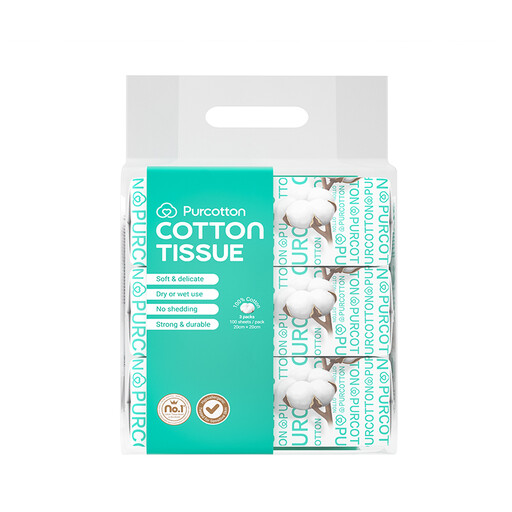
Why this choice suits this profile : The 300 sheets, divided into three packs, are suitable for repeated use, skincare, removing make-up or caring for children.
The listing specifies the cotton composition and dry or wet use, rather than suggesting that a standard tissue can meet every need.
100% cotton according to the listing, 300 sheets, suitable for dry or wet use, with no fragrance or alcohol according to the information provided.
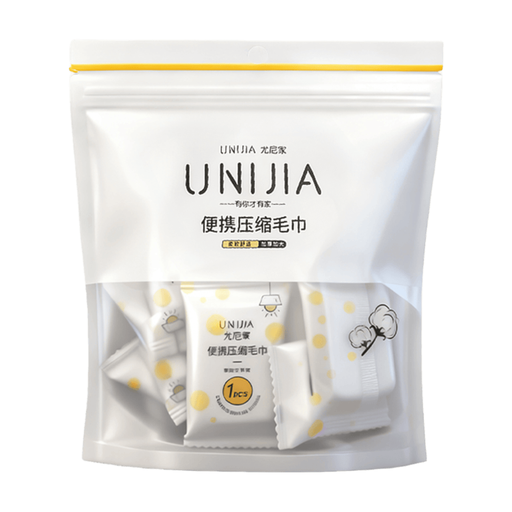
Why this choice suits this profile : These compressed facial wipes take up very little space in a suitcase, sports bag or wash bag.
The compressed format means you do not need to carry a bulky box. However, remember to bring a little water to unfold each wipe.
20 pieces, non-woven fibres of plant origin according to the listing and a stated size of 30 × 24 cm after adding water.
We have put together a complete, real-time updated selection of products that meet these exacting criteria, as well as European safety regulations.
Store boxes and packs in a dry, clean place protected from moisture. Reseal travel packs after each use. Used tissues, compressed wipes and wet tissues must never be flushed down the toilet, even if they appear to break down quickly.
If you have young children, keep plastic packaging out of their reach. In the event of irritation, stop using the product and consult the product safety information.
Choose a soft texture, clearly detailed ingredients and, if preferred, fragrance-free tissues. Cotton, aloe vera or balm-enriched versions may suit some users, but tolerance varies from person to person. Always check the product listing and packaging before buying.
The shelf life depends on the product. Some listings state a shelf life of three years, while others refer you to the date printed on the packaging. Store your tissues in a dry place and check their condition before use.
No. The listings for the products featured recommend putting them in the bin. The same precaution applies to cotton tissues, wipes and compressed formats once moistened.