
Livraison le jour même ou le lendemain

Qualité garantie

Débloquez vos offres de bienvenue: Livraison GRATUITE | Jusqu'à -80 % | 30 jours d'essai gratuits à JoyPlus
Téléchargez l'application
A pack of facial tissues may seem unremarkable until the first one tears, leaves fluff on your skin or takes up half your bag. At home, in the office, while travelling or during cold season, making the right choice mainly comes down to a few very practical criteria.
Some marketing claims also deserve closer attention:
The number of plies refers to the thickness created by layering the individual sheets. A 3- or 4-ply tissue generally provides more material with each use, while a 2-ply model is often sufficient for everyday use on a table or in a living area.
The format also plays a part. Large-format tissues are useful at home, in the office or during a bout of cold symptoms. Pocket tissues, on the other hand, are designed primarily to take up as little space as possible. When comparing two multipacks, check:
Most facial tissues are made from cellulose fibres. Some use virgin wood pulp, while others are made from cotton or a blend of fibres. Cotton tissues may appeal to people looking for an alternative to traditional paper, particularly for dry or wet use where permitted by the manufacturer.
FSC certification concerns the origin of fibres from responsible sources, within the scope specified by the certification. It does not necessarily mean that every component of the packaging or all the fibres are certified. For example, the C&S product shown below states 70% FSC-certified blend. It is therefore better to check the product details rather than relying on a general claim.
To find soft tissues or tissues for sensitive noses, examine the texture, number of plies and any added lotion, aloe vera, fragrance or other ingredients. An enriched formula may feel pleasant for some people, but those prone to reactions should check the labelling carefully and stop using the product at the first sign of discomfort.
For tissues for colds and allergies, the pocket format makes it easy to carry several with you. A box is more convenient on a bedside table, in the living room or in the office. In all cases, used tissues should go in the bin, never down the toilet.
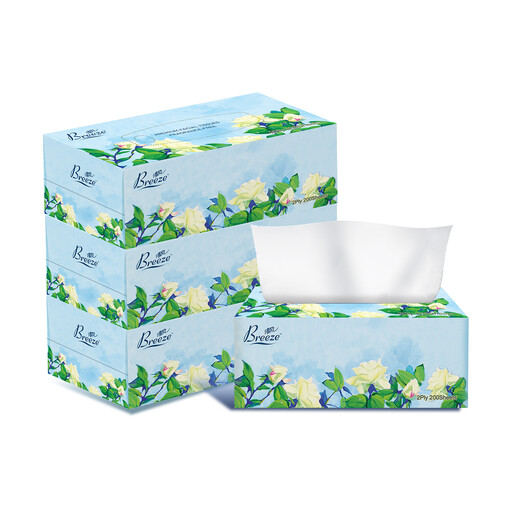
Why this choice suits this profile : The boxed format fits easily in the living room, bedroom or office, with 600 sheets in total.
The stated dimensions, 190 × 198 mm, together with the total number of sheets, make it easy to compare with other boxes.
2-ply, virgin wood pulp, large format and paper described as fragrance-free.
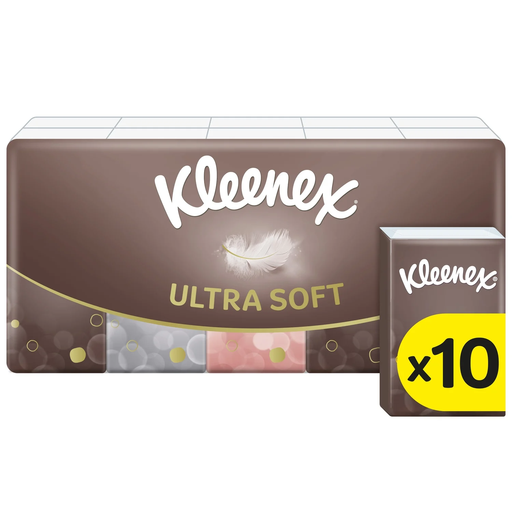
Why this choice suits this profile : This multipack combines a texture described as silky smooth with individual packaging, making it practical to spread the packs across several bags.
The quantity is clearly stated : 10 packs of 7 tissues, making 70 tissues in total.
Pocket format, paper described as soft and FSC certification mentioned in the product details.
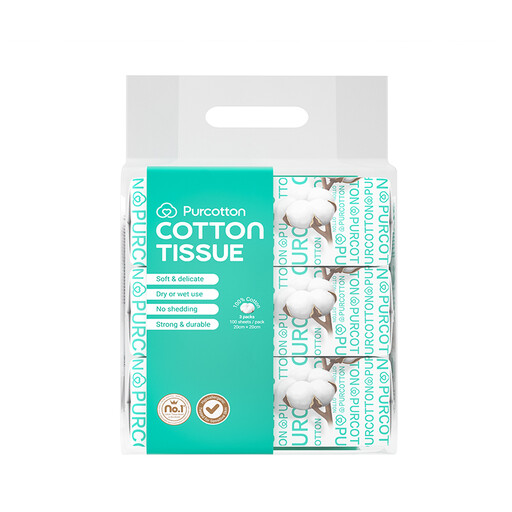
Why this choice suits this profile : The pack of 3 bundles of 100 sheets is suitable for regular use at home or everyday care routines.
Its stated 100% cotton composition clearly sets it apart from standard cellulose tissues.
20 × 20 cm format, suitable for dry or wet use and OEKO-TEX STANDARD 100 certification mentioned in the product details.
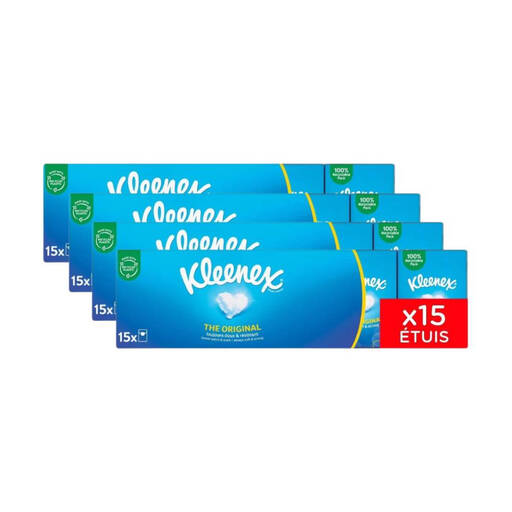
Why this choice suits this profile : The 60 individual packs make it easy to stock several bags, cars, jackets or rooms around the home.
The total quantity and the division into packs of 15 are specified, making it easier to calculate the price per pack.
Compact format, made in France and FSC certification mentioned.
We have put together a comprehensive, real-time updated selection of products that meet these demanding criteria and European safety standards.
Store it in a dry, clean place away from moisture. Shelf life varies between products and is stated on the packaging. A box exposed to steam in the bathroom or splashes may become less comfortable to use well before this date.
No. Even thin tissues are not designed to break down like toilet paper. Put every used tissue in the bin to avoid the risk of blockages.
Read the ingredients and instructions for use carefully. If you have sensitive skin, choose product details that clearly specify the materials used and check for any fragrance, lotion or added agents. A marketing claim is not a medical guarantee : if you experience a reaction, stop using the product and seek advice from a healthcare professional.