
Livraison le jour même ou le lendemain

Qualité garantie

Débloquez vos offres de bienvenue: Livraison GRATUITE | Jusqu'à -80 % | 30 jours d'essai gratuits à JoyPlus
Téléchargez l'application
Choosing your facial skincare is not about piling up products with appealing promises. An effective routine should first and foremost take account of your skin type, its tolerance of active ingredients and your lifestyle. Whether your skin is sensitive, dry, combination, oily or prone to blemishes, its needs will vary, as will the textures and frequency of use that work best.
A set containing a facial cleanser, toner, serum, cream and mask may seem convenient. However, layering several formulas containing exfoliating actives, fragrance or other potentially irritating ingredients can quickly make your routine complicated — and make it harder to identify what your skin can and cannot tolerate.
To get started, three steps are generally enough: gentle cleansing, moisturising and sun protection in the morning.
Claims such as “natural”, “soothing”, “purifying” or “suitable for sensitive skin” do not replace checking the INCI list. Reactive skin may not tolerate essential oils, fragrance or certain preservatives, for example.
An organic facial skincare product may contain essential oils. Take the time to check its ingredients and directions for use, particularly during pregnancy or while breastfeeding.
A facial serum designed to revive radiance or a facial moisturiser cannot replace protection from UV rays. For everyday use, check for SPF 50 or SPF 50+, the level of UVA protection indicated on the packaging and the amount to apply.
You may need to reapply after prolonged exposure, sweating or swimming.
The term “non-comedogenic” can help you make your choice, but it does not guarantee the same reaction for everyone. It is best to test the product on a small area before incorporating it into your regular routine.
A facial serum may contain niacinamide, peptides, centella asiatica, acids or plant extracts. To minimise unwanted reactions, start with one targeted active ingredient and observe how your skin responds.
Avoid combining several exfoliating products from day one, especially if you are already using a blemish treatment.
After cleansing, the most common order is as follows: toner or essence, serum, moisturiser, then sun protection in the morning. In the evening, remove your make-up if necessary, cleanse your skin and apply your skincare products according to their texture, from lightest to richest.
Check the volume, the period of use after opening — indicated by the open-jar symbol, for example “12M” —, the batch number and, where shown on the packaging, the minimum durability date.
Store your products away from heat and light. A sheet mask should generally be used immediately after opening.
For a product sold in France, also check that the labelling is available in French and includes the ingredients list, directions for use and the contact details of the responsible person in the European Union. This information is far more useful than a simple promise of effectiveness.
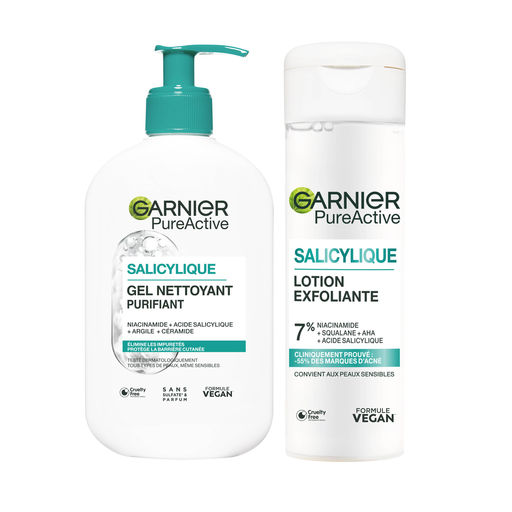
Why this choice suits this profile : At 250 ml, this cleanser is a practical way to start a simple routine. Its formula combines niacinamide, salicylic acid, clay, hyaluronic acid and ceramide.
It avoids adding too many steps from the outset and lets you gradually assess your skin’s tolerance of a cleanser containing targeted actives.
A 250 ml format and a glycerine-based cleansing formula enriched with hyaluronic acid and clay.
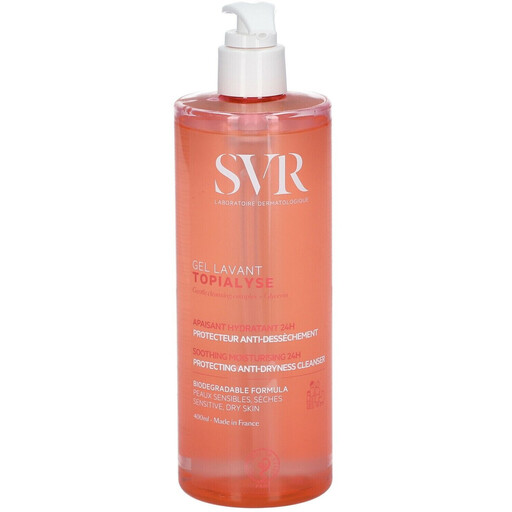
Why this choice suits this profile : Its family-size format and suitability for both face and body make it ideal for households that prefer one gel for several uses.
Its large container reduces the need for repeat purchases, while its versatile use avoids accumulating multiple cleansers in the bathroom.
A 400 ml format and a soap-free formula described as hypoallergenic, with glycerine and camelina oil.
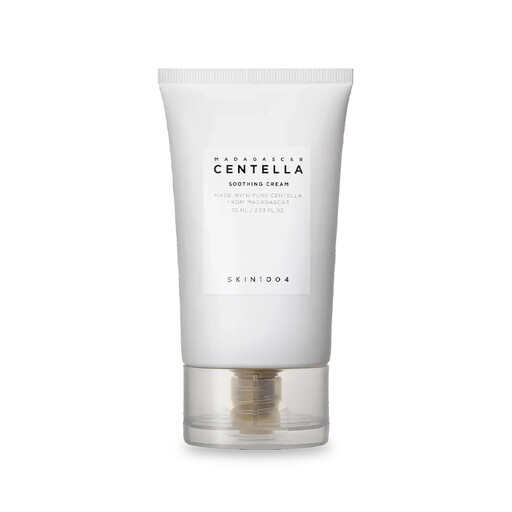
Why this choice suits this profile : This lightweight cream is ideal for anyone looking for comfortable hydration without a greasy finish, morning and evening.
Its described non-greasy texture helps you avoid reaching for an overly rich cream, particularly for combination skin or when applying it under sun protection.
A 75 ml format, centella asiatica, glycerine and several ceramides in the ingredients list.
We have put together a comprehensive selection, updated in real time, of products that meet these strict criteria and European safety requirements.
In the morning, start with a light cleanse or simply rinse your face, depending on your skin type. Follow with a facial serum if necessary, then apply a facial moisturiser and SPF 50 facial sun protection.
In the evening, remove your make-up and cleanse your skin before applying a targeted treatment. A hydrating face mask can complement your routine once or twice a week, but it does not replace your everyday moisturiser.
If you have blemishes, apply a targeted treatment only to the affected areas and follow the directions for use. According to its product information, the Avril blemish treatment contains aloe vera and tea tree essential oil. Its use is not recommended during pregnancy.
If your skin feels tight or shows signs of discomfort, a soothing cream or a centella-based formula may be more suitable.
Three products may be enough: a suitable facial cleanser, a moisturiser and sun protection in the morning. You can then add a serum or blemish treatment, but always introduce just one product at a time. This makes it easier to identify any potential intolerance.
Check the open-jar symbol and the information printed on the packaging. Also monitor the product’s texture, smell and colour. At the first unusual change, it is best to stop using it, even if the stated shelf life has not yet expired.
Yes, provided you compare the ingredients and avoid duplicating active ingredients. Introduce products gradually, patch-test them on a small area and remember to apply sun protection if your routine contains exfoliating agents.