
Livraison le jour même ou le lendemain

Qualité garantie

Débloquez vos offres de bienvenue: Livraison GRATUITE | Jusqu'à -80 % | 30 jours d'essai gratuits à JoyPlus
Téléchargez l'application
A facial moisturiser isn't something you should pick based purely on its marketing promise. A texture that's too rich can make your skin look shiny, while a formula that's too light may leave it feeling uncomfortably dry. The active ingredients promoted, such as niacinamide, vitamin C or salicylic acid, also address very different needs.
To avoid a disappointing purchase, focus on three key criteria: your skin type, the product's composition, and how you actually intend to use it.
Dry skin primarily lacks lipids. It therefore benefits from nourishing textures containing oils, shea butter or squalane. Dehydrated skin, on the other hand, lacks water: it can feel greasy on the surface yet tight after cleansing. In this case, a light cream based on glycerin, hyaluronic acid or sodium hyaluronate will often be more suitable.
A niacinamide cream can have a place in a routine aimed at controlling shine or evening out your complexion. However, the result depends on the overall formula and your skin's tolerance. A salicylic acid cream, or more broadly an anti-blemish cream, may suit oily skin types, but can also cause a feeling of dryness in some people.
Similarly, a vitamin C cream or an anti-dark-spot cream never replaces daily sun protection. Dark spots can be made worse by UV rays, even when your skincare routine is well thought out.
Sensitive skin doesn't only react to exfoliating ingredients. Fragrance, denatured alcohol or certain plant extracts can also be poorly tolerated. Check the INCI list on the product you receive: formulations can change, and the packaging is what counts.
Niacinamide is commonly used in products designed to improve uneven skin tone, reduce shine or support the skin barrier. Centella asiatica appears in many formulas created to soothe compromised skin. AHAs, BHAs and PHAs have an exfoliating effect: introduce them gradually and use sun protection during the day.
For an anti-ageing cream, look closely at which active ingredient is used. Retinal, for example, needs to be introduced slowly and can increase skin sensitivity. Use it preferably in the evening, following the manufacturer's instructions.
A large 400 ml format can be handy for generous daily application, while a 40 ml to 50 ml pot or bottle fits more easily into a targeted routine. Also check for mentions like dermatologically tested, hypoallergenic or non-comedogenic: these describe a formulation or testing protocol, but don't guarantee the same tolerance for everyone.
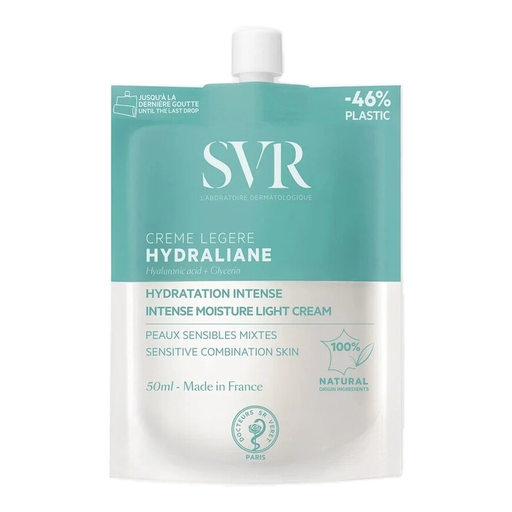
Why this choice suits this profile: Its light texture works well in a daily routine for combination skin, applied in the morning and/or evening to the face and neck.
The listing promises fast absorption, a non-greasy finish and a non-comedogenic formula – three useful points to avoid a heavy feel.
The listing states 100% naturally derived ingredients, with glycerin, sodium hyaluronate and chamomile extract.
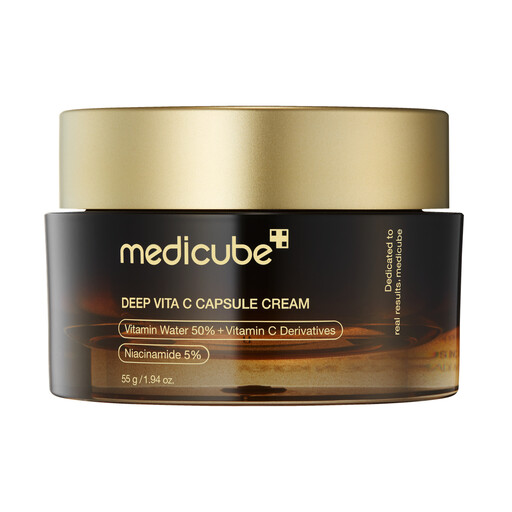
Why this choice suits this profile: Its gel-and-capsule system lets you adjust the richness to match your skin's needs.
The adjustable texture means you don't have to choose between a light feel and richer hydration.
The listing mentions 5% niacinamide, vitamin C derivatives and no synthetic fragrance.
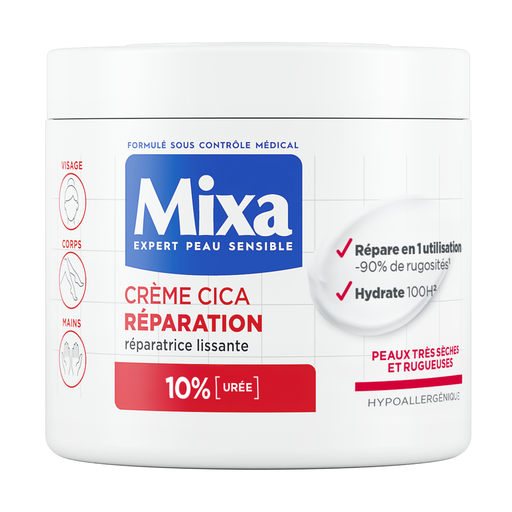
Why this choice suits this profile: Its large format suits people who regularly apply a product to dry, fragile areas, including the face where the instructions allow.
The volume means you won't need to replace the bottle frequently, while the texture is described as light despite its nourishing focus.
The formula contains urea, glycerin and niacinamide. It is presented as hypoallergenic and dermatologically tested.
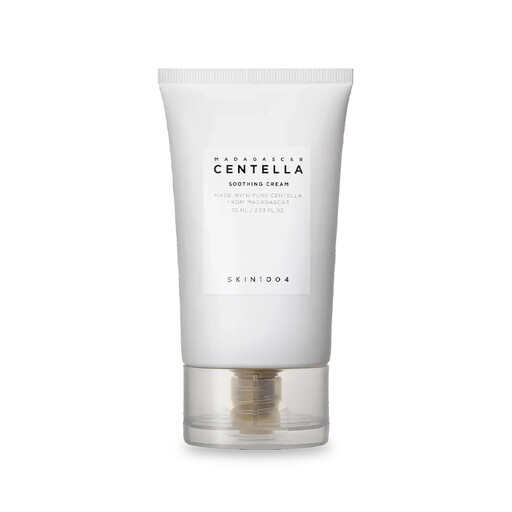
Why this choice suits this profile: Its light, non-greasy texture suits those looking for a centella asiatica cream to complete a minimalist routine.
Its fast-absorbing texture limits the greasy film feeling that can be unpleasant on sensitive or combination skin.
The listing mentions centella asiatica, ceramides and sodium hyaluronate. A patch test is still recommended before use.
We've put together a comprehensive, real-time selection of products that meet these exacting criteria, while also taking European safety regulations into account.
Go for a light texture containing hydrating agents like glycerin or hyaluronic acid. A cream for oily skin may also contain niacinamide. The non-comedogenic label is a useful indicator, but it doesn't guarantee you won't have an individual reaction.
It depends on the concentration, the formula and your skin's tolerance. Start by spacing out applications, avoid layering exfoliating products, and apply sun protection in the morning. If you experience redness or persistent discomfort, stop using it.
Check the best-before date or the symbol indicating the period after opening, which is usually on the packaging. Close the product carefully and store it away from heat and light. Stop using it if its smell, colour or texture changes.