
Livraison le jour même ou le lendemain

Qualité garantie

Débloquez vos offres de bienvenue: Livraison GRATUITE | Jusqu'à -80 % | 30 jours d'essai gratuits à JoyPlus
Téléchargez l'application
Spots, blackheads, visible pores, shine or post-acne marks: a facial blemish serum can earn a place in your skincare routine, provided you choose the formula carefully. Claims such as “purifying”, “fast-acting” or “anti-acne” alone are not enough to tell you whether a product will truly suit your skin.
To avoid disappointment, take the time to examine the active ingredients, texture, usage precautions and the formula as a whole. Here are the main criteria to review before choosing a serum for oily, combination to oily or sensitive skin.
A high percentage of niacinamide, salicylic acid or exfoliating acids may seem appealing. However, a highly concentrated formula may be poorly tolerated by reactive skin. Redness, tightness or flaking can occur, particularly when several active ingredients are used at the same time.
A niacinamide serum may suit people who want to reduce shine and improve the overall appearance of their skin. However, tolerance depends on the complete formula, not just the percentage highlighted on the bottle.
Results claimed within a few days are generally based on a specific protocol: duration of use, number of participants, application frequency and assessment method. A statement such as “visible results in seven days” therefore does not guarantee the same outcome for everyone.
When a product listing refers to a clinical study, self-assessment or consumer test, this information should be considered in context. It does not replace an individual assessment of tolerance or observing how the product looks and feels on your skin.
An anti-blackhead serum may contain denatured alcohol, fragrance, essential oils or several acids. These ingredients are not necessarily problematic, but they deserve particular attention if your skin is sensitive, prone to redness or already weakened.
The label remains the most reliable source of information: ingredient lists may change and should be checked on the packaging you receive.
A lightweight texture that absorbs quickly sits easily beneath a moisturiser or sun protection. If you have oily skin, also look at whether the formula contains film-forming agents, oils or esters that may not suit your needs.
The non-comedogenic label can help guide your choice, but it does not guarantee that everyone will avoid a reaction. Testing the product on a small area is recommended before applying it all over your face.
A 30 ml bottle is a common size for a non-comedogenic facial serum. A dropper lets you dispense a few drops, while a pump or foaming bottle can slightly change the application experience.
Start gently, particularly with a salicylic acid serum or an exfoliating formula. Avoid the eye area, open wounds and irritated areas. If you experience burning, redness or itching, stop using the product immediately.
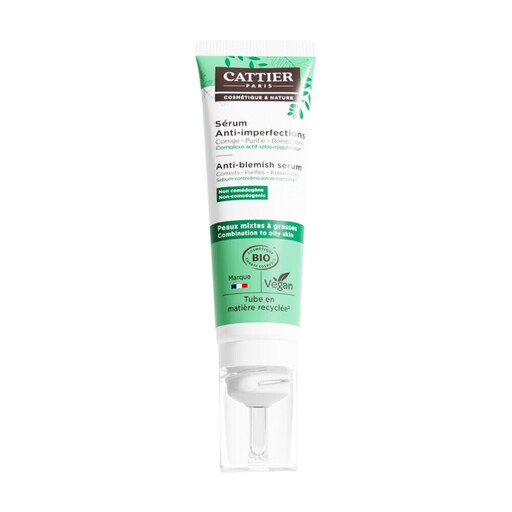
Why this choice suits this profile : According to the product listing, this formula is Cosmos Organic certified by Ecocert Greenlife, contains 98 % naturally derived ingredients and targets combination to oily skin.
The listing states that the formula is non-comedogenic and identifies the skin type it is intended for. This provides a clearer framework than a simple general claim.
The formula contains gluconolactone, zinc PCA, aloe vera and bisabolol. The bottle contains 30 ml.
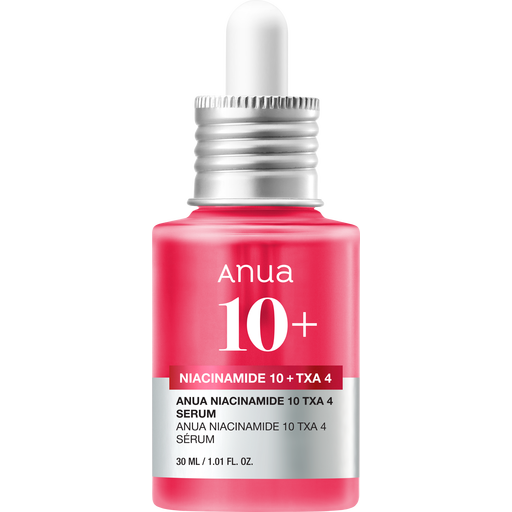
Why this choice suits this profile : It combines several active ingredients designed to improve the appearance of uneven skin tone and marks, for those looking for a more complete routine.
The stated concentrations are clearly shown in the product name: 10 % niacinamide and 4 % tranexamic acid. Testing the product on a small area is still recommended to assess tolerance.
According to the product listing, the formula also contains 2 % arbutin and several forms of hyaluronic acid.
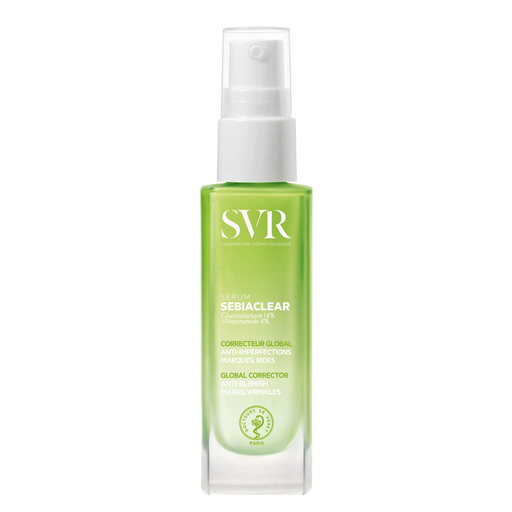
Why this choice suits this profile : This 3-in-1 formula combines gluconolactone, niacinamide, salicylic acid and hyaluronic acid for routines targeting several concerns at once.
The listing details the active ingredients and provides precise instructions: avoid open wounds, carry out a patch test and apply sun protection.
Its texture is described as suitable for use under make-up, allowing it to be used in the morning and/or evening, depending on tolerance.
We have brought together a comprehensive, real-time updated selection of products meeting these demanding criteria and European safety requirements.
An organic purifying serum such as the Avril Purifying Serum may suit you if you are looking for a certified formula containing plant oils. However, its formula includes geranium and rosemary essential oils, and the listing states that it is not recommended during pregnancy. This type of information should be taken into account when making your purchase.
Start by identifying your priority. For shine and clogged pores, you could consider a formula based on niacinamide, zinc PCA or salicylic acid. If your skin is sensitive, introduce the product gradually and avoid combining several exfoliants.
It depends entirely on the formula and the manufacturer’s recommendations. A gentle formula may be designed for daily use, while a salicylic acid or AHA serum may require reduced frequency at first. If irritation persists or you have significant lesions, seek advice from a healthcare professional.
This depends on the use-by date shown on the packaging and the period after opening. Close the bottle carefully, keep it away from heat and light, and watch out for any unusual change in smell, colour or texture. The instructions for the product you purchased take precedence.