
Livraison le jour même ou le lendemain

Qualité garantie

Débloquez vos offres de bienvenue: Livraison GRATUITE | Jusqu'à -80 % | 30 jours d'essai gratuits à JoyPlus
Téléchargez l'application
A face toner can earn its place in your routine after cleansing, but not all products meet the same needs. A lightweight toner lotion will suit dehydrated skin better, while an exfoliating toner with AHAs, BHAs or PHAs requires a few precautions. Before you get drawn in by the promises on the bottle, it’s worth looking at the format, the ingredients and the usage instructions.
A fresh feel, a pleasant fragrance or a slight astringent sensation can give the impression that your skin is perfectly clean. However, this says nothing about the hydration the product provides or how well your skin tolerates it. Dry and sensitive skin can react to denatured alcohol, fragrance or essential oils, even when the lotion is marketed as “toning”.
A toner containing glycolic acid, salicylic acid, gluconolactone or other acids can help smooth skin texture. However, if it’s too strong or used too often, it risks causing tightness, redness and dryness. Start gradually and avoid layering several exfoliating treatments in the same routine.
A high level of niacinamide, glutathione or plant extract isn’t enough to determine whether a toner will suit you. You also need to look at the full ingredient list, any fragrance present, the texture, the pH stated by the brand, and the other products you use daily. Always check the label on the bottle – formulas can change.
AHAs, such as glycolic acid, are generally used to exfoliate the skin’s surface. BHA, particularly salicylic acid, is often favoured in routines targeting pores and areas prone to blemishes. PHAs, like gluconolactone, have larger molecules and are often included in gentler exfoliating formulas.
None of these categories guarantees perfect tolerance. Apply the product according to the instructions, avoid the eye area, and use sun protection in the morning if it contains exfoliating acids. If irritation persists, stop using it.
A fluid lotion is easy to apply with your hands or a cotton pad. A mist toner can be handy at the office or after a quick cleanse, while a milky or gel-like texture will suit those looking for a more enveloping feel. Also consider the volume: a 300 to 500 ml bottle can be great for morning and evening use, or for use on both face and body.
Most toners are applied after cleansing, before serum and moisturiser. Avoid rubbing the skin with a cotton pad, especially if it’s reactive.
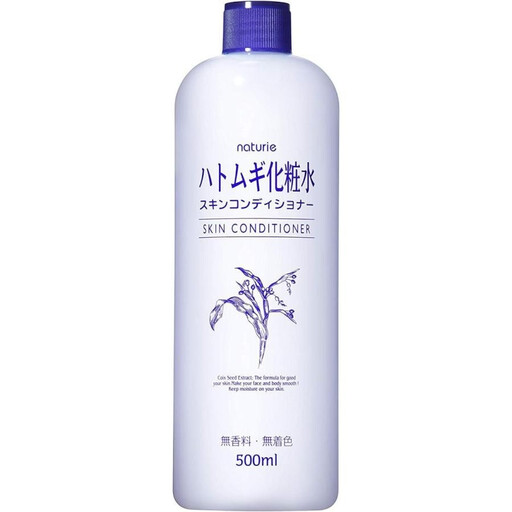
Why this choice suits this profile: Its large 500 ml format works well for a simple routine, and it can be applied to both face and body.
The formula is stated to be fragrance-free and colourant-free, with a fluid, non-sticky texture. Still, check the ingredient list on the bottle.
Coix seed extract, 500 ml, usable as a lotion or for a cotton mask.
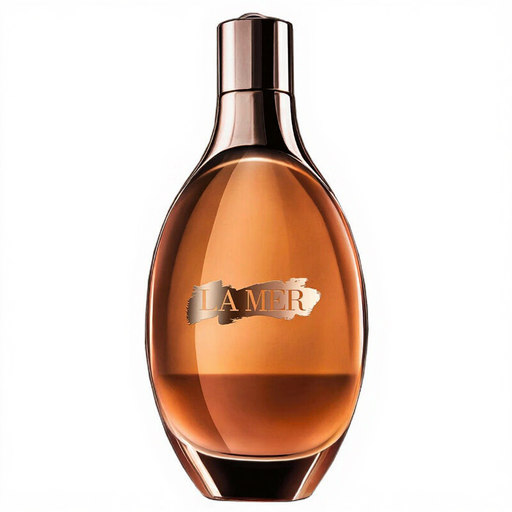
Why this choice suits this profile: Its biphasic texture and oil-in-water phase appeal to those who enjoy a more sensory ritual.
The bottle states that you need to mix the two phases before application. Its use therefore differs from a standard aqueous lotion.
Rich texture, squalane and glycerin in the formula, 150 ml format.
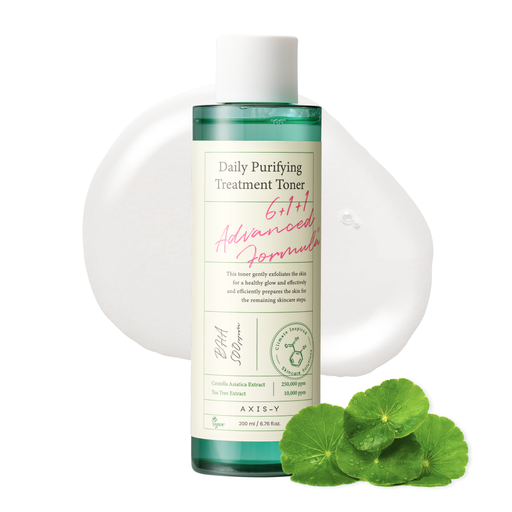
Why this choice suits this profile: This Korean toner combines AHA, PHA and salicylic acid in a routine focused on skin texture and impurities.
The presence of acids is clearly stated: start by spacing out applications and don’t layer multiple exfoliants.
Centella asiatica, gluconolactone, glycolic acid and salicylic acid in the formula.
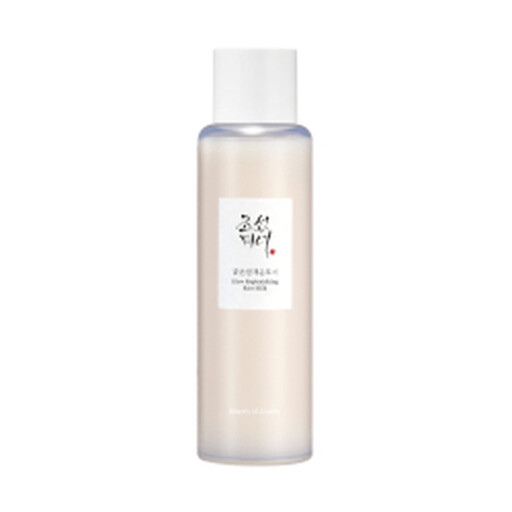
Why this choice suits this profile: Its light milky texture and fragrance-free formula fit easily into a minimalist daily routine.
The formula focuses on hydrating agents rather than intense exfoliation. A patch test on a small area is still recommended before first use.
Rice extract, panthenol, hyaluronic acid and ceramide NP.
We’ve selected a full, regularly updated range of products that meet these exacting criteria and European safety standards.
Japanese, organic or Korean toner: the origin shouldn’t be your only criterion. Instead, look at the ingredients, the texture and how well it fits with the rest of your routine.
Yes, as long as the formula is mainly hydrating and well tolerated. For an exfoliating toner with AHAs, BHAs or PHAs, it’s better to space out applications. In all cases, follow the manufacturer’s recommendations.
It’s not essential. Applying with your hands sometimes reduces friction, while a cotton pad can be handy with very fluid lotions or products used to finish cleansing. In both cases, avoid pulling on the skin.
Respect the best-before date and the symbol indicating the period after opening on the packaging. Close the bottle after each use, store it away from heat and light, and replace it if its smell, colour or texture changes.