
Livraison le jour même ou le lendemain

Qualité garantie

Débloquez vos offres de bienvenue: Livraison GRATUITE | Jusqu'à -80 % | 30 jours d'essai gratuits à JoyPlus
Téléchargez l'application
A face serum for blemishes can help target excess sebum, blackheads, visible pores and post-acne marks. But the promises printed on the bottle aren’t enough to tell you whether the product deserves a place in your routine. The concentration of active ingredients, your skin’s tolerance and how you use it matter far more than the buzzwords on the packaging.
A lightweight texture, an instant matte finish or a cooling sensation can make application feel pleasant, but they don’t necessarily address your main concern. A serum for enlarged pores designed for oily skin isn’t chosen the same way as a soothing serum for sensitive skin.
Instead, look at the ingredient list: salicylic acid, niacinamide, azelaic acid, centella asiatica or tranexamic acid. Each one serves a different purpose.
Using a salicylic acid serum, an AHA treatment and a retinol product all in the same evening can increase discomfort, dryness and redness. Skin that feels tight may even produce more sebum in response, making your routine even harder to balance.
Start with just one targeted treatment. If your skin reacts easily, apply it two or three times a week, then gradually increase the frequency depending on how well your skin tolerates it.
Residual dark spots won’t disappear with an exfoliating product alone. A hydrating routine and daily application of sun protection help reduce the contrast of marks. Serums containing acids can also make your skin more sensitive to UV rays.
Check for any fragrance, denatured alcohol or other ingredients you usually react to. A formula described as lightweight can still contain several active ingredients. If your skin is sensitive, apply a small amount to a limited area before first use.
Claims like “dermatologically tested”, “hypoallergenic” or “non-comedogenic” are indications provided by the brand. They don’t guarantee the same tolerance for everyone.
A pump bottle or dropper makes it easier to measure the right amount. Check the volume, the period after opening and the storage conditions. Close the bottle after each use and keep it away from heat and direct sunlight.
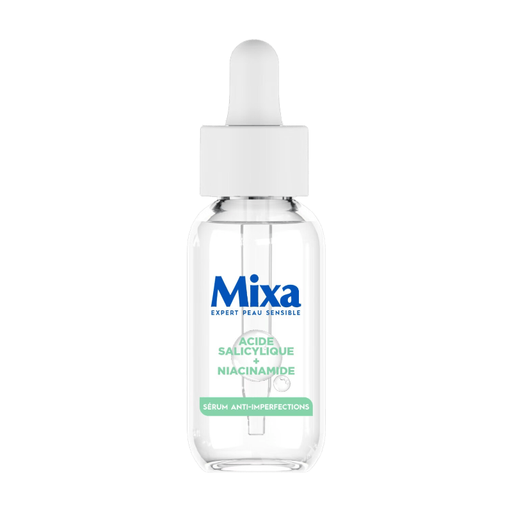
Why this choice suits this profile: its combination of salicylic acid and niacinamide offers a good starting point for targeting blemishes, blackheads and the appearance of pores.
The product page mentions a lightweight texture, precise dosing thanks to the dropper, and a recommendation for gradual use on sensitive skin.
30 ml, salicylic acid and niacinamide, formula described as hypoallergenic and dermatologically tested.
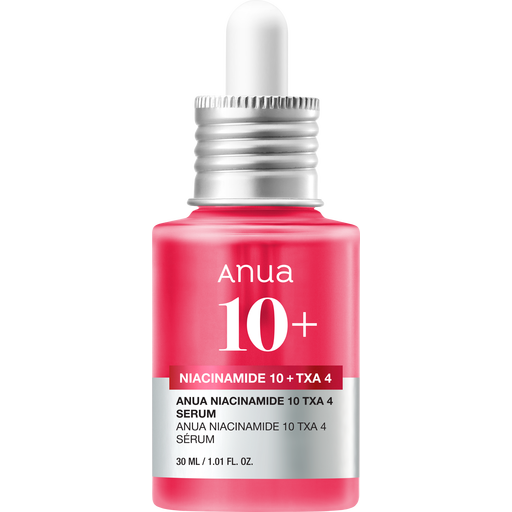
Why this choice suits this profile: inspired by Korean skincare, this serum is designed for those who want to reduce the appearance of post-acne marks and even out their complexion.
The percentages of niacinamide, tranexamic acid and arbutin are listed, making it easier to compare the formula with other serums.
10% niacinamide, 4% tranexamic acid, 2% arbutin and several forms of hyaluronic acid listed in the ingredients.
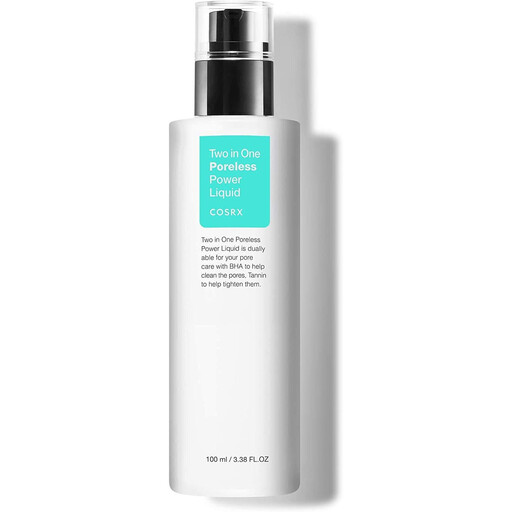
Why this choice suits this profile: its large 100 ml size can work well for a regular routine on combination, oily or congested-pore-prone skin.
The formula lists 0.1% betaine salicylate and 10% Salix alba bark water – the active ingredients are clearly identifiable, rather than hidden behind a vague promise of minimised pores.
100 ml, lightweight texture, panthenol, allantoin and sodium hyaluronate present in the ingredient list.
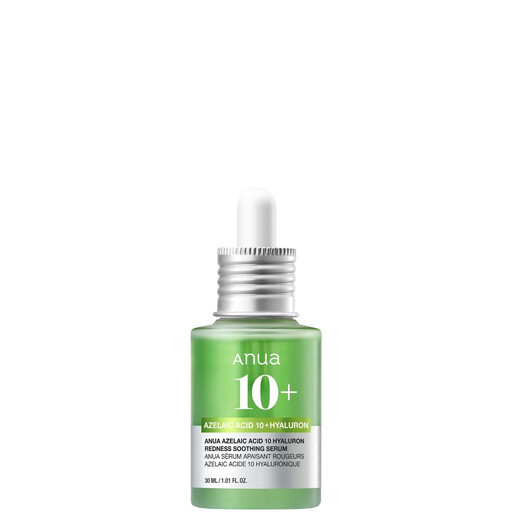
Why this choice suits this profile: this formula combines azelaic acid, hyaluronic acid, panthenol and centella asiatica to target visible redness and feelings of discomfort.
The brand recommends starting with one to two applications per week, then gradually increasing the frequency depending on tolerance.
10% azelaic acid, betaine salicylate, zinc PCA, ceramide NP and a non-sticky texture.
We’ve put together a complete, real-time updated selection of products that meet these strict criteria as well as European safety requirements.
If your anti-acne or anti-blackhead serum contains an acid, start using it in the evening and space out your applications. If a reaction persists, stop using the product and seek advice from a healthcare professional. A cosmetic product cannot replace a prescribed treatment for severe or inflammatory acne.
It depends on the formula, how often you apply it and how your skin responds. A consistent routine allows you to gradually assess changes in skin texture, comfort and the appearance of blemishes. Check the period after opening indicated on the packaging and do not keep the bottle beyond the recommended time.
Both ingredients can be combined in a single formula, as is the case with some Mixa or Garnier products. If you’re using two different serums, introduce them separately and avoid layering too many exfoliants. A moisturiser and sun protection remain good allies to support your routine.
For persistent dark spots, look for ingredients such as niacinamide, tranexamic acid or arbutin. If you have redness or sensitivity, a formula based on azelaic acid, centella asiatica or panthenol could be worth considering. Read the usage instructions carefully and favour a slow, gradual approach rather than piling on multiple active ingredients.