
Livraison le jour même ou le lendemain

Qualité garantie

Débloquez vos offres de bienvenue: Livraison GRATUITE | Jusqu'à -80 % | 30 jours d'essai gratuits à JoyPlus
Téléchargez l'application
Dull complexion, post-acne marks or brown spots that reappear after a few weeks: choosing a face serum for dark spots isn’t just about spotting the word “radiance” on the packaging. Formulas can vary considerably depending on the active ingredients used, their concentration, the product’s texture and how well your skin tolerates it.
Before you place your order, there are three pitfalls that are particularly easy to avoid.
To choose a serum designed to even out your complexion, look at the first ingredients on the INCI list and look for a combination that matches your needs:
The presence of an active ingredient alone is not enough to predict the result. Also consider the texture, the hydrating agents and whether fragrance is present.
Sensitive skin can react to a formula containing acids, denatured alcohol, essential oils or fragrance. Conversely, oily skin will often appreciate a lightweight, non-occlusive serum that absorbs quickly.
Before applying it all over your face, do a patch test on a small area. Do not use the product on broken or irritated skin and avoid the eye area unless the manufacturer advises otherwise. If redness, itching or persistent discomfort occurs, stop using it.
A 30ml bottle may be enough for targeted application, while a 50ml or 100ml format will be better suited to regular use all over the face. Also check the instructions for use: some serums are used morning and evening, while others fit more easily into a night-time routine, especially when they contain exfoliating acids.
For a simple routine, apply the serum after cleansing, then a moisturiser. In the morning, finish with sun protection. Avoid layering several potentially irritating active ingredients.
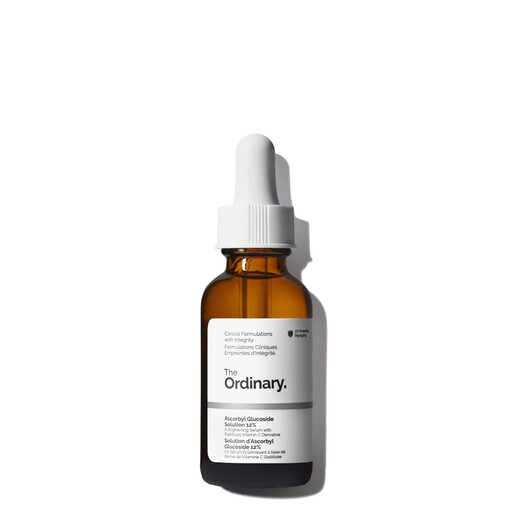
Why this choice suits this profile: Its water-based formula contains 12% ascorbyl glucoside, a vitamin C derivative, and has a lightweight texture, ideal for starting a radiance routine.
The concentration and form of vitamin C are clearly stated, making it easy to compare with other brightening serums.
Fluid texture, fragrance-free formula according to the product sheet, 30ml size and can be used morning or evening.
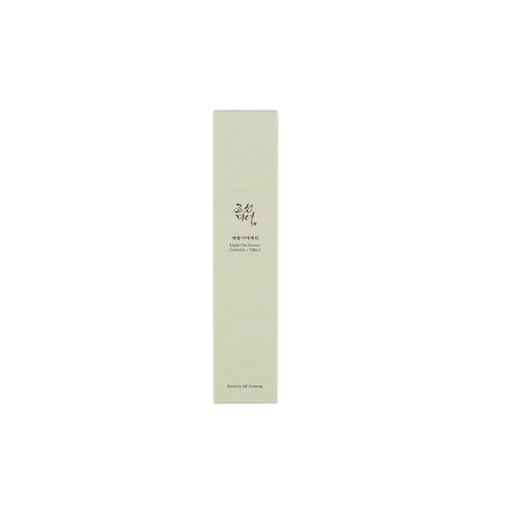
Why this choice suits this profile: This lightweight essence combines 3-O-ethyl ascorbic acid, glycerin, panthenol and centella asiatica for a routine focused on radiance and comfort.
The composition makes it possible to distinguish the brightening active ingredient from the ingredients dedicated to hydration and soothing.
30ml size, claimed fast absorption and the presence of centella asiatica, panthenol and glycerin.
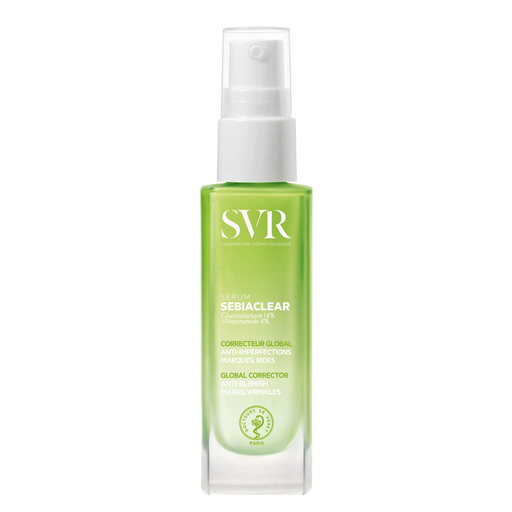
Why this choice suits this profile: Its formula combines gluconolactone, niacinamide, salicylic acid and hyaluronic acid for routines that target blemishes, pores and residual marks.
The product does not rely solely on a radiance promise: the exfoliating active ingredients and niacinamide are clearly identifiable in the composition.
Claimed mattifying texture, presence of hyaluronic acid and can be applied to the face, neck and décolletage.
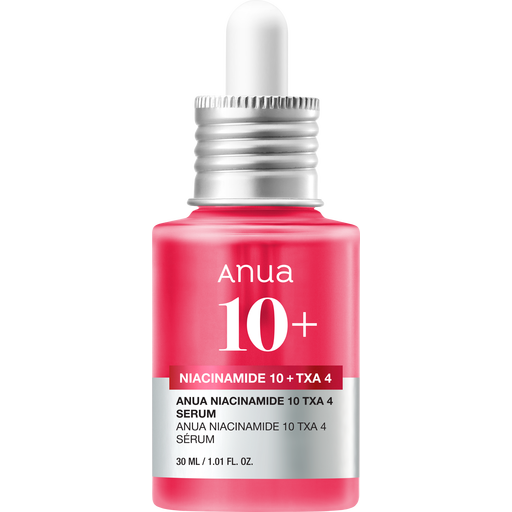
Why this choice suits this profile: Those who want to compare several targeted active ingredients will find niacinamide, tranexamic acid and arbutin combined in one formula here.
The stated percentages of niacinamide and tranexamic acid are displayed, which avoids relying solely on promotional language.
10% niacinamide, 4% tranexamic acid and 2% arbutin according to the product sheet, with several forms of hyaluronic acid.
We have put together a comprehensive list, updated in real time, of products that meet these strict selection criteria and the requirements of European safety regulations.
If your skin reacts easily, start by applying it every other day. Put two or three drops onto clean skin, then apply a moisturiser. With a serum containing salicylic acid, AHAs, vitamin C or tranexamic acid, sun protection in the morning remains essential.
Don’t combine several highly exfoliating products in the first week. A stable routine, where you introduce only one new product at a time, will help you better assess your skin’s tolerance. If the spots persist, appear suddenly or look unusual, seek advice from a healthcare professional.
A niacinamide serum can easily find its place in a routine for combination to oily skin. Formulas containing BHA or salicylic acid also target the appearance of pores and blemishes, but should be introduced gradually. The SVR SEBIACLEAR Serum notably combines niacinamide, salicylic acid and gluconolactone.
It all depends on the form of vitamin C used and your skin’s tolerance. A derivative like ascorbyl glucoside can suit a gradual routine. Start with spaced-out applications, observe how your skin reacts and apply sun protection in the morning.
Respect the expiry date, the period after opening when indicated and the storage conditions specified on the packaging. Close the bottle after each use and protect it from heat and direct light. If the smell, colour or texture changes noticeably, stop using the product.