
Livraison le jour même ou le lendemain

Qualité garantie

Débloquez vos offres de bienvenue: Livraison GRATUITE | Jusqu'à -80 % | 30 jours d'essai gratuits à JoyPlus
Téléchargez l'application
A face primer can make foundation easier to apply, visibly blur pores or provide extra comfort for dry skin. The key is to choose a formula suited to your needs. A mattifying primer on dehydrated skin may emphasise dry patches, while an overly rich hydrating primer can encourage shine in the T-zone.
The Joybuy Product Recommendation Officer’s selection is based on practical criteria: skin type, texture, correcting pigments, whether it includes an SPF and how well it works with the rest of your routine.
A smoothing primer or pore-blurring primer can create a more even appearance thanks to its texture and optical agents. However, it will not permanently reduce pore size and cannot replace a moisturiser. Claims of ‘retouched’ skin should therefore be understood as a temporary cosmetic effect.
A matte finish is not automatically suitable for all combination or oily skin, especially when applied all over the face. Conversely, a very luminous primer can emphasise shine as the day goes on. The most sensible approach is to consider the different areas of your face: use a mattifying primer on the forehead, nose and chin, then a hydrating primer on the cheeks, for example.
A make-up primer with SPF can complement a morning routine, but its level of protection depends on how much you apply and how often you reapply it. The SPF 25 or SPF 28 ratings shown on some products should not be confused with those of a proper sun cream. In case of prolonged exposure, apply sun protection suited to its instructions for use before putting on make-up.
Leave the primer to settle for a few minutes so you can see how it behaves. If it remains too wet, it may move your foundation. Conversely, a formula that dries very quickly can make blending more difficult. To help create long-lasting make-up, apply a thin layer, allow it to set, then dab on your foundation in small amounts.
When the primer and foundation have very different textures, small clumps may form. Test them on a small area of your face before wearing them on an important day.
Check the label and ingredients list, particularly if you are sensitive to fragrance, denatured alcohol or certain sun filters. The products below are intended for external use. Avoid the immediate eye area and stop using the product if irritation occurs. Testing it on a small area may be helpful before applying it fully.
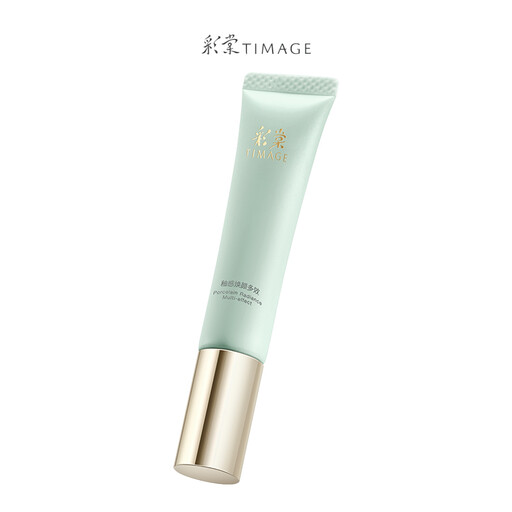
Why this choice suits this profile: Its formula is designed for combination to oily skin and is mainly applied to the T-zone. A practical option for discovering face primer without adding too many products to your routine.
The product description states that this is the version intended for oil control, distinct from the hydrating version. This information reduces the risk of choosing a formula that is unsuitable for dry skin.
A lightweight texture, a velvety matte finish and targeted application on the forehead, nose and chin. The product description claims up to 8 hours of shine control, depending on the conditions of use.
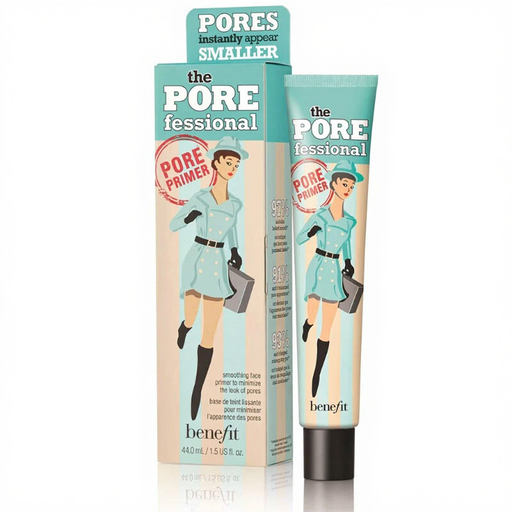
Why this choice suits this profile: Its 44 ml size is suitable for regular use, while its transparent texture works with all skin tones. It can be applied on its own, under foundation or for touch-ups.
Described as lightweight, transparent and oil-free, its formula helps limit the risk of a finish that looks too thick or too visible under make-up.
The product description mentions a silky texture suitable for all skin tones, along with a visual effect designed to reduce the appearance of pores and fine lines.
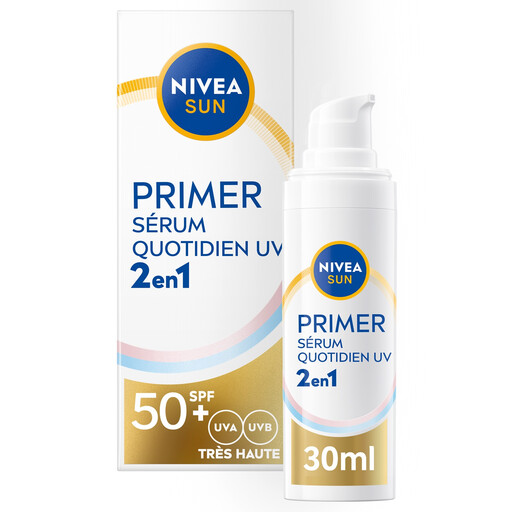
Why this choice suits this profile: This foundation primer combines a serum texture with SPF 50+ protection, making it suitable for urban routines that include a dedicated sun-protection step.
The product description explains that insufficient application reduces the level of protection and recommends applying generously and reapplying regularly. It is therefore best not to rely solely on a thin layer of make-up.
SPF 50+, a texture described as lightweight and non-greasy, with hyaluronic acid and licochalcone A in the stated formulation.
We have put together a comprehensive, real-time selection of products that meet these strict criteria and European safety regulations.
On combination skin, cosmetic multimasking can be replaced with targeted application: smoothing primer on pores, hydrating primer on the cheeks and correcting primer only on areas of redness.
No. It can be useful if you want to improve comfort, finish or foundation adhesion. If your day cream already leaves your skin smooth and comfortable, you can easily skip it.
The shelf life depends on the information shown on the packaging, particularly the symbol depicting an open jar. Many products state how long they can be used after opening. Keep an eye on the smell, texture and colour: if they change noticeably, stop using the product, even if there is still plenty left.
Yes, provided you apply them to different areas. Reserve the mattifying primer for the T-zone and the hydrating primer for areas that feel tight. Layering several products all over the face can cause pilling and affect the staying power of your make-up.