
Livraison le jour même ou le lendemain

Qualité garantie

Débloquez vos offres de bienvenue: Livraison GRATUITE | Jusqu'à -80 % | 30 jours d'essai gratuits à JoyPlus
Téléchargez l'application
A face moisturiser should first and foremost be suited to your skin type, your habits and the feel you're after. On packaging, claims like "intense hydration", "youthful effect" or "soothed skin" often take centre stage, without always specifying the texture, ingredients or usage precautions.
Before you buy, here are the main pitfalls to avoid, followed by a selection of skincare products suited to different profiles.
Dry skin primarily lacks lipids and generally prefers richer textures. Dehydrated skin lacks water – this can affect oily, combination and even sensitive skin alike. Opting for a very rich cream to achieve intense facial hydration can then leave a heavy film or increase shine.
This indication doesn't mean you can skip checking the INCI list. A face cream for sensitive skin may contain fragrance, plant extracts or certain ingredients that are less well tolerated by reactive skin. To reduce the risk, check for the presence of fragrance in particular, and test the product on a small area before incorporating it into your routine.
Claims like "anti-ageing", "firming" or "repairing" reflect a cosmetic positioning, not a guarantee that works for everyone. The effects depend on your skin, how regularly you apply the product and your overall routine. A cream can contribute to skin comfort, but it doesn't replace medical advice if you have persistent irritation.
In France and the European Union, cosmetics must display an ingredient list, the identity of a responsible person established in the EU, usage precautions and the period after opening where applicable. Check in particular:
Ceramides, cholesterol, phytosphingosine, glycerin and squalane are commonly used in formulas designed to improve comfort and preserve the skin barrier. However, their presence doesn't guarantee the product will suit every skin type.
A 75 or 100 ml tube is practical for daily use and for travel. A 50 ml jar may be enough for a more targeted routine, while sterile or protective packaging will appeal to those who want to minimise handling. Apply the cream to clean skin, after serums or lotions, then adjust the amount according to the season and any feeling of tightness.
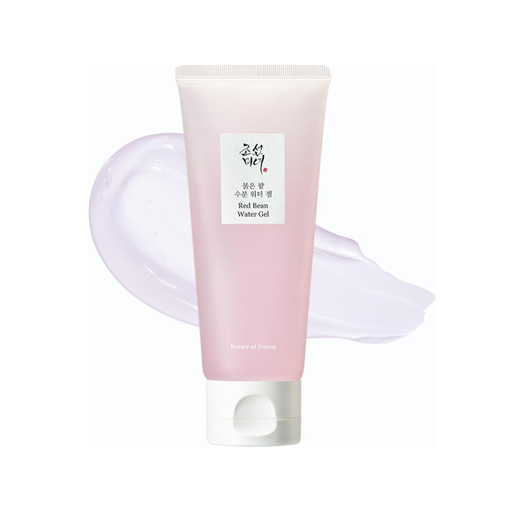
Why this suits this profile: With its 100 ml size and lightweight gel texture, this cream is a great entry point for a first daily routine, especially for combination to oily skin.
Its fresh texture reduces the greasy feeling often associated with rich creams. The formula is stated to be alcohol-free and fragrance-free.
The formula combines red bean extract, glycerin, panthenol and beta-glucan. Three types of peptides are also listed in the ingredients.
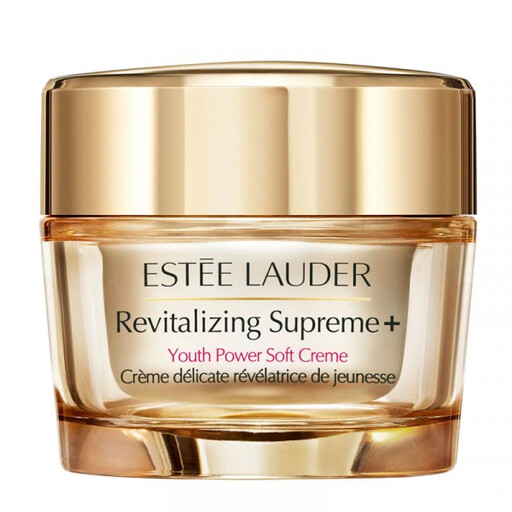
Why this suits this profile: Its soft texture and multi-action promise fit naturally into a premium routine, for adults who care as much about comfort as they do about their skin's appearance.
The product page details the active ingredients and texture rather than relying on a vague anti-ageing promise. It also states that the formula contains fragrance – something to watch for if you have reactive skin.
The formula includes hyaluronic acid, glycerin, shea butter, as well as moringa and hibiscus extracts.
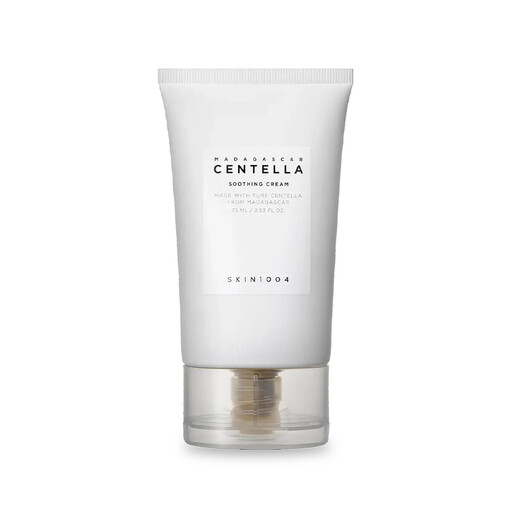
Why this suits this profile: Its 75 ml tube and morning or evening application suit those who want to use a soothing face cream regularly.
The texture is described as lightweight and non-greasy. The product page still recommends doing a patch test and stopping use if redness, itching or irritation occurs.
The formula contains centella asiatica, glycerin, hyaluronic acid, beta-glucan and several ceramides.
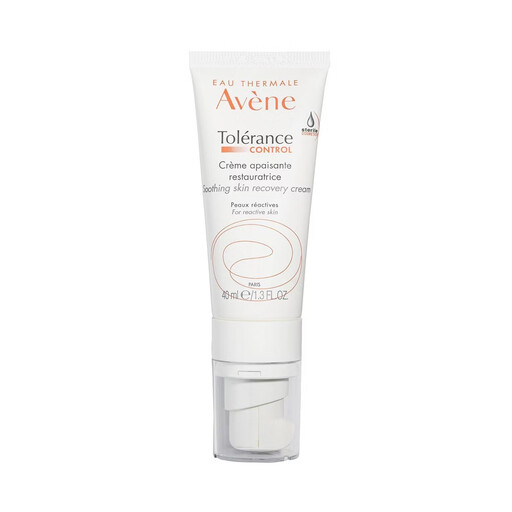
Why this suits this profile: This fragrance-free face cream fits into a simple routine for normal to combination skin, with morning and evening application.
The product page states a formula without fragrance or preservatives, presented in sterile packaging. Still, remember to check the ingredients printed on the product you receive.
The formula features Avène thermal spring water, glycerin, squalane and beeswax. The size is 40 ml.
We've put together a complete, real-time updated selection of products that meet these exacting criteria, while respecting European safety regulations.
A gel or gel-cream texture, lightweight and quickly absorbed, is often better suited to oily skin than a very rich formula. Also check for the presence of fragrance and adjust the amount according to how your skin feels after application.
Yes, as long as the product allows it and your skin tolerates it. Apply a small amount after cleansing, then use sun protection in the morning. In the evening, you can opt for a more nourishing formula if your skin feels tight.
Follow the symbol indicating the period after opening as well as the date on the packaging. Store the product away from heat and light, close it after each use and stop applying it if its smell, texture or colour changes.