
Livraison le jour même ou le lendemain

Qualité garantie

Débloquez vos offres de bienvenue: Livraison GRATUITE | Jusqu'à -80 % | 30 jours d'essai gratuits à JoyPlus
Téléchargez l'application
Choosing a face moisturizer can quickly feel overwhelming. Faced with aisles overflowing with promises, all kinds of textures, and endless ingredient lists, it's hard to know where to start. Our mission: to bring you some clarity, help you avoid marketing traps, and find THE one product that truly meets your skin's needs.
To avoid buyer's remorse, here are the most common mistakes to steer clear of:
To make the best choice, let's focus on the few points that really make a difference.
You don't need to become a chemist, but knowing a few key ingredients will help you quickly identify a product's benefits:
Texture is just as important as the formula for an enjoyable (and consistent!) user experience:
On the packaging, certain claims are valuable indicators:
Let's get practical. Here is our selection of products that meet specific needs, based on the criteria we've just discussed.
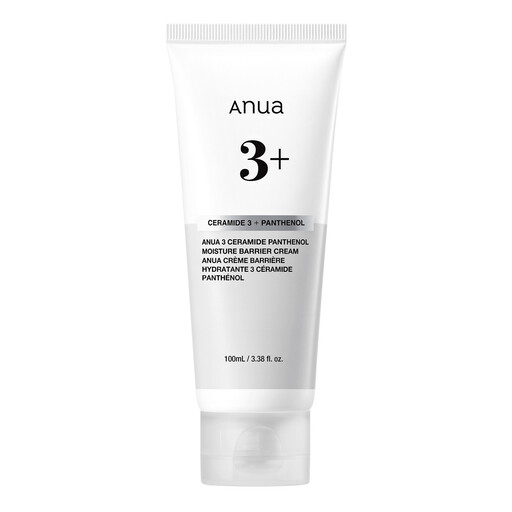
Why we recommend it: Perfect for skin that feels tight, turns red at the slightest breeze, or is weakened (by cold, treatments, etc.). Its K-Beauty-inspired formula relies on soothing and repairing actives to restore skin comfort.
It doesn't overpromise. Its mission is targeted: to repair the skin barrier with a trio of ceramides and panthenol, thus addressing a very specific need instead of getting lost in vague claims.
Its melting texture absorbs instantly, without any sticky feeling. A real plus for those who dislike rich creams. It is also non-comedogenic.
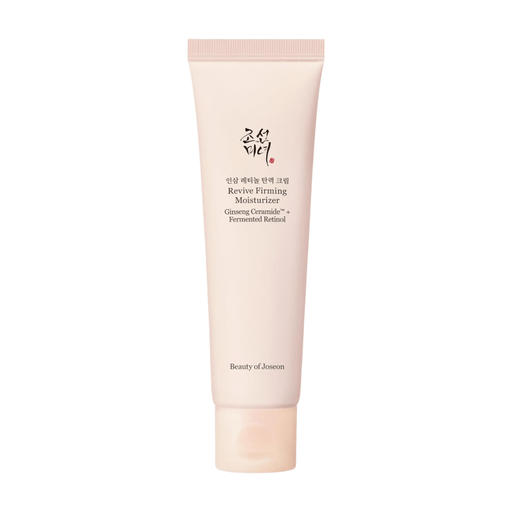
Why we recommend it: For those who want to tackle the first signs of wrinkles and loss of firmness with proven actives, but without irritating their skin.
Rather than relying on a single "miracle" ingredient, it uses a winning duo: retinal (a form of vitamin A that's better tolerated than retinol) and ginseng root extract, a pillar of the Korean pharmacopoeia.
Its formula is intelligently enriched with hyaluronic acid, ceramides, and squalane to drench the skin in hydration and counteract the potentially drying effect of retinal.
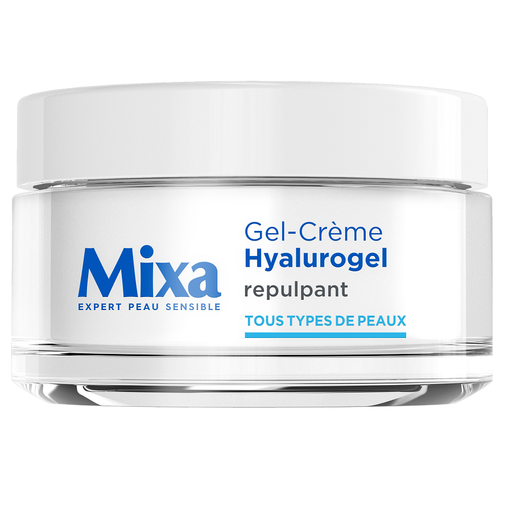
Why we recommend it: A French pharmacy classic, and for good reason: it's a reliable choice for anyone seeking intense, immediate hydration, even on sensitive skin.
It avoids the "deceptive texture" trap. Its unique gel-cream formulation melts into the skin and quenches it deeply, without the heavy or greasy effect of classic rich creams.
Its formula gets straight to the point with pure hyaluronic acid and glycerin for long-lasting hydration. It's also hypoallergenic, a seal of trust for the most reactive skin types.
Whether you're looking for a feather-light day cream or a comforting night balm, discover our complete selection of skincare validated for its formulation and effectiveness.
It's all a matter of texture and composition. A cream is an emulsion of water and oil, which balances hydration (water content) and nutrition (lipid content). A balm, on the other hand, is much richer in fats (oils, vegetable butters) and contains little to no water. Its dense texture forms a more occlusive protective film, ideal for very dry or damaged skin, or for creating a shield against the cold in winter.
Not necessarily, especially if your skin is low-maintenance and your current cream works perfectly for you. However, using different products can be a smart move. In the morning, opt for a lightweight texture that serves as a good makeup base, ideally with an SPF. The evening is for regeneration: you can turn to a richer formula or a treatment product with powerful actives like retinal or exfoliating acids (which should be avoided during the day).
Not always. The non-comedogenic label is crucial for combination to oily or acne-prone skin, as comedogenic products can promote the formation of blackheads and pimples. However, for dry or normal skin that isn't prone to blemishes, this criterion is less critical. Very nourishing oils or butters, even if they don't carry this label, can be highly beneficial.