
Livraison le jour même ou le lendemain

Qualité garantie

Débloquez vos offres de bienvenue: Livraison GRATUITE | Jusqu'à -80 % | 30 jours d'essai gratuits à JoyPlus
Téléchargez l'application
A face makeup base can transform how your foundation applies, looks and lasts throughout the day. But not all formulas address the same needs. A smoothing base designed to blur pores can accentuate dry patches, while a mattifying base may lack comfort on dehydrated skin.
So before you place an order, it’s worth looking beyond the promises of an “airbrushed effect” or “long-lasting wear”. Here are the criteria to examine when choosing a primer that truly suits you, helping you avoid disappointing purchases.
A green colour-correcting base can visually tone down redness, while a violet tint can revive a dull complexion. However, it does not replace a foundation or a full-coverage concealer. The result also depends on how much you apply and your skin tone.
A mattifying base can limit shine on the T-zone, but a formula that is too absorbent risks clinging to dry patches. Conversely, a hydrating or illuminating base may feel too rich on very oily skin if it leaves a heavy film.
The finish you’re after should always be considered alongside your skin type, rather than chosen in isolation.
Some makeup bases with SPF advertise sun protection, for example SPF 25 or SPF 28. However, the actual protection you get depends on the amount applied and how often you reapply. A base used under foundation does not necessarily replace a dedicated sunscreen, especially during prolonged sun exposure.
A smoothing base is usually applied in a small amount, after skincare and just before makeup. To avoid pilling, let your skincare and sunscreen settle for a few moments, then pat the primer on rather than rubbing it in.
Texture compatibility also matters. A very silicone-based primer under a water-based foundation can sometimes cause your makeup to separate. If your foundation wears off quickly, test both products together on a small area of your face first.
A small format of 14 to 22 ml can be handy for touch-ups or travel. For daily use, a 30 to 40 ml bottle is usually more suitable. Even when a base is advertised as long-lasting, you should still check its tolerance, its expiry date and the period after opening indicated on the packaging.
For formulas containing SPF, check the stated SPF value, the level of protection indicated and the manufacturer’s recommendations. If you experience redness, itching or a burning sensation, stop using it and rinse the area if necessary.
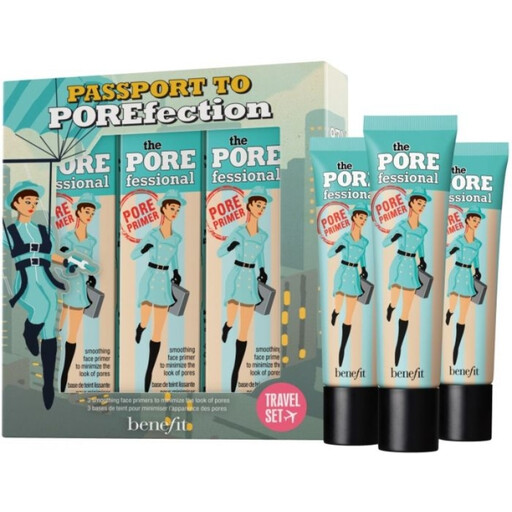
Why this choice suits this profile: This set brings together three mini formats so you can compare a mattifying, illuminating or hydrating finish without investing in a full-size bottle straight away.
The trial size reduces the risk of ending up with a texture that doesn’t suit your skin or your foundation.
Three 22 ml references, one targeting pores, another radiance and the third hydration.
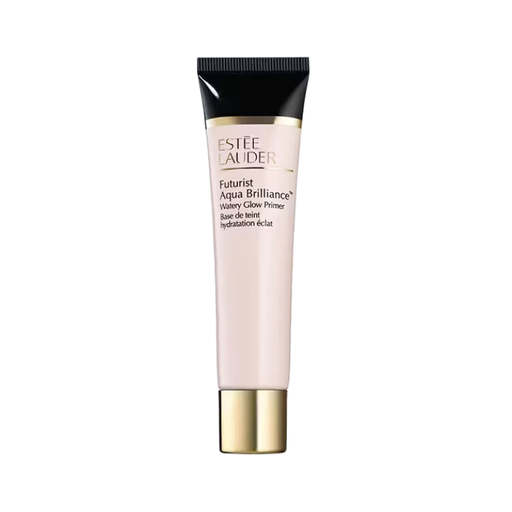
Why this choice suits this profile: Its fresh gel-cream texture is designed for those seeking a luminous complexion and comfortable preparation before foundation.
Described as lightweight, the formula can be used alone or under foundation, allowing you to control the intensity of the finish.
40 ml format, glycerin and two forms of hyaluronic acid listed in the ingredients, with a luminous finish.
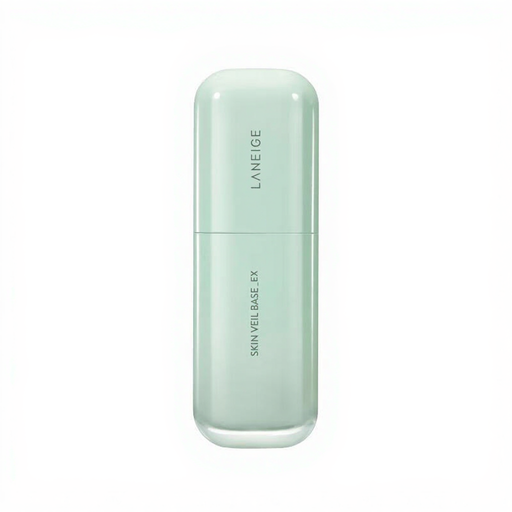
Why this choice suits this profile: The mint green shade is ideal for those who want to visually tone down redness before applying their foundation.
Colour correction is applied in a targeted way, rather than as a thick layer all over the face like a universal base.
Mint green pigments, SPF 28 PA++, hydrolysed hyaluronic acid and sebum control mentioned on the product page.
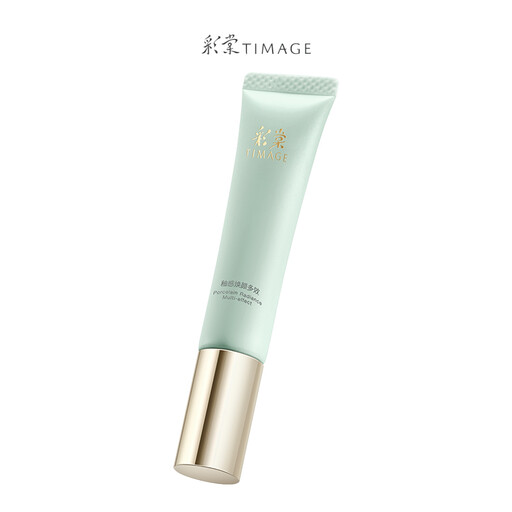
Why this choice suits this profile: This version focused on shine control can work for combination to oily skin, provided you apply it locally on the T-zone.
Applying by zone avoids mattifying the cheeks uniformly when they are drier than the forehead or nose.
Lightweight texture, advertised matte finish and targeted application on the forehead, nose and chin. This version does not contain SPF.
We have compiled a comprehensive, real-time updated list of products that fully meet these strict selection criteria and European safety regulations.
On combination skin, you can use a hydrating base on the cheeks and a mattifying base on the T-zone. Just make sure the two textures layer well together.
No. It can be useful for addressing a specific need: blurring pores, hydrating the skin, toning down redness or improving makeup longevity. If your foundation already applies evenly and wears well, this extra step isn’t essential.
Go for a lightweight primer for oily skin with no oily finish, applying it mainly to the T-zone. A pore-minimising base containing blurring agents can visually improve skin texture. Test it on a small area to check how it wears with your foundation.
Respect the expiry date and the symbol indicating the period after opening on the packaging. Close the product after each use, store it away from heat and direct light, and replace it if its smell, texture or colour changes.