
Livraison le jour même ou le lendemain

Qualité garantie

Débloquez vos offres de bienvenue: Livraison GRATUITE | Jusqu'à -80 % | 30 jours d'essai gratuits à JoyPlus
Téléchargez l'application
A face cream shouldn't be chosen based solely on its price, its scent or the promise printed on the jar. A texture that's too rich can feel uncomfortable on oily skin, while a lightweight formula may lack the comfort that mature or sensitive skin needs. In the UK, seasonal changes, indoor heating and daily UV exposure also cause your skin's needs to shift.
Before buying a moisturising face cream, three common pitfalls keep cropping up.
For an oily skin face cream, go for a gel-cream or fluid texture that absorbs quickly without leaving a sticky film. Formulas containing glycerin, niacinamide or hyaluronic acid can improve your skin's hydration comfort, though no single active ingredient guarantees a specific result on its own.
Dry or mature skin will appreciate a cream with emollients and fatty substances, such as shea butter, squalane or certain plant oils. For a mature skin moisturiser, also check for humectants and a richer texture.
Reactive skin calls for a more careful selection. A sensitive skin face cream that's fragrance-free and has a relatively short ingredient list can help reduce the risk of discomfort. A patch test is still recommended before first use.
An anti-blemish cream may contain acids such as AHAs, BHAs or PHAs. These ingredients are associated with a cosmetic exfoliating action, but they can increase sun sensitivity or cause redness in some people. Introduce them gradually and apply sun protection in the morning.
For a radiance anti-dark-spot cream, niacinamide, alpha-arbutin or tranexamic acid are commonly used ingredients. Claims about reducing dark spots should, however, be seen as brand promises rather than a guarantee of individual results.
Products containing retinal or vitamin A derivatives also need to be introduced slowly. Avoid the immediate eye area, monitor how your skin reacts and follow the instructions on the packaging.
Before ordering, check:
An organic certification, such as COSMOS Organic, tells you about a certification standard. It doesn't automatically mean the formula will suit all sensitive skins. Similarly, a Korean face cream may offer an interesting texture or active ingredients, but its instructions and composition should be checked just like any other cosmetic.
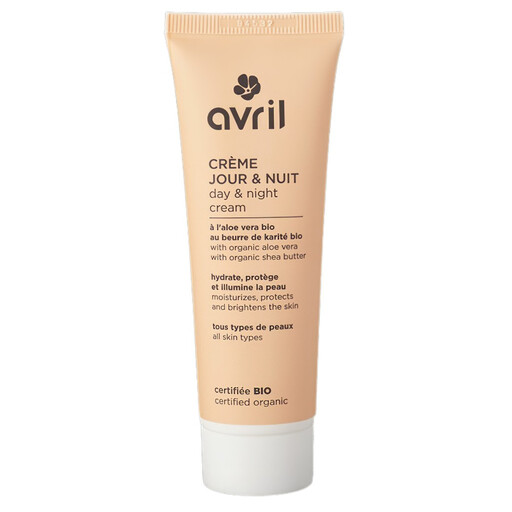
Why this choice suits this profile: A 2-in-1 formula for morning and evening, handy for starting a routine without buying lots of products. It contains organic aloe vera and shea butter.
Its day-and-night use avoids redundant purchases. Its COSMOS Organic certification and percentages of naturally derived ingredients are shown on the product page.
50 ml format, made in France, vegan formula and can be used morning and evening.
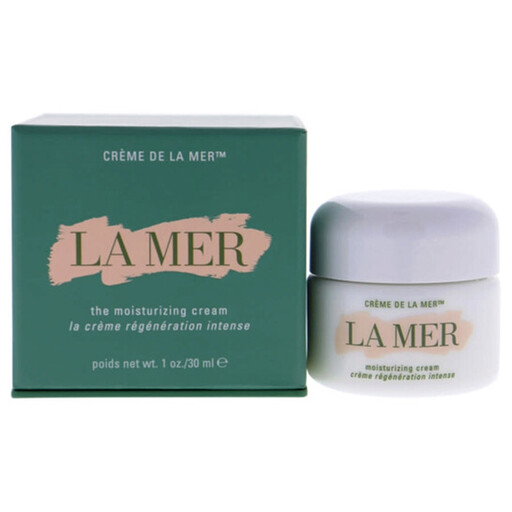
Why this choice suits this profile: A rich cream focused on comfort and a nourishing feel, for users who value texture and the application ritual.
Its texture is clearly different from a lightweight gel-cream. So check that it matches your preferences and skin type before buying.
30 ml format and a formula featuring the brand's claimed Miracle Broth complex.
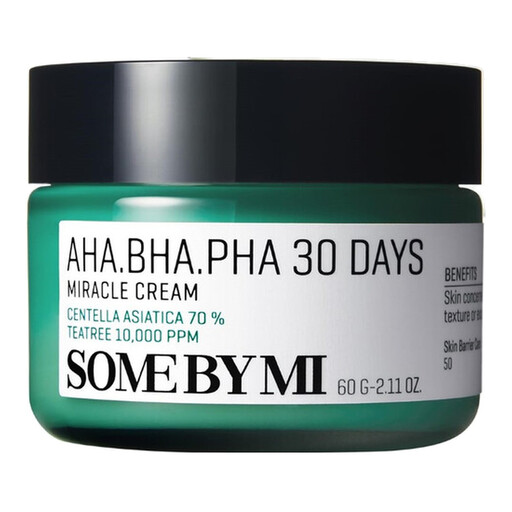
Why this choice suits this profile: Its lightweight gel-cream is aimed at people looking for an oily skin face cream that combines exfoliating acids with soothing ingredients like centella asiatica.
The presence of AHAs, BHAs, PHAs and limonene means you need to do a patch test and use sun protection. Avoid combining it with several other exfoliants from the start.
Lightweight texture, 60 ml, niacinamide, centella asiatica and tea tree leaf water in the declared composition.
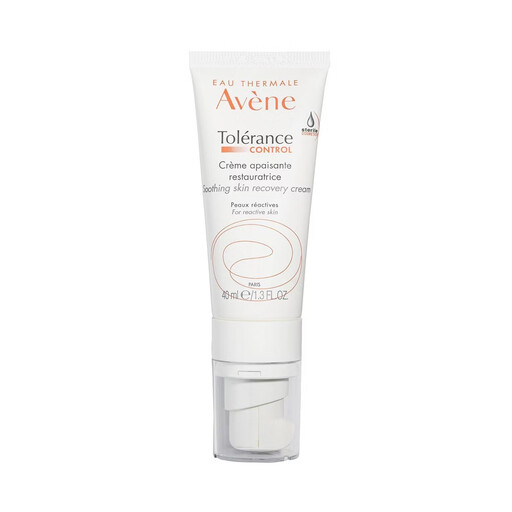
Why this choice suits this profile: Its fragrance-free formula and sterile packaging suit people who want to keep unnecessary ingredients out of their repairing face cream.
The absence of fragrance and preservatives as stated on the product page reduces certain discomfort factors, though it doesn't rule out an individual reaction. A patch test is still a sensible precaution.
40 ml, made in France, glycerin, squalane and Avène thermal spring water in the INCI list.
We've put together a comprehensive, real-time updated list of products that meet these strict selection criteria and European safety regulations.
A day face cream should generally sit well under sun protection and make-up. A night face cream can be richer, especially if your skin feels tight or you're using actives like retinal. Your routine can stay simple: gentle cleanser, serum if needed, cream, then sun protection in the morning.
Check the open-jar symbol. A "12M" indication means the product is intended to be used within twelve months of opening, provided it's stored correctly. Close the jar carefully, keep it away from heat and direct light, and stop using it if its smell, colour or texture changes.
Yes, but the choice of formula and how often you use it matter more than the simple "anti-ageing" label. Start by spacing out applications, avoid layering several potentially irritating actives and choose a fragrance-free cream if your skin reacts easily. If irritation persists, stop using it and ask a healthcare professional for advice.