
Livraison le jour même ou le lendemain

Qualité garantie

Débloquez vos offres de bienvenue: Livraison GRATUITE | Jusqu'à -80 % | 30 jours d'essai gratuits à JoyPlus
Téléchargez l'application
You shouldn’t choose a face cleanser just because the bottle says “purifying” on it. If your skin feels tight after rinsing, or you’re dealing with persistent redness or breakouts, it could be a sign that the formula is too harsh, you’re using it too often, or the product simply isn’t suited to your skin type.
Before you buy a face cleansing gel, a face cleansing foam or a face cleansing oil, take a moment to steer clear of a few common pitfalls.
For dry or dehydrated skin, opt for a cleansing cream, a low- or no-foam formula, or a hydrating cleanser containing ingredients like glycerin, squalane or hyaluronic acid. After rinsing, your skin should feel comfortable, without prolonged tightness.
For combination to oily skin, a face cleansing gel or a light foam can help remove excess sebum. Formulas with niacinamide or salicylic acid should be introduced gradually, especially if your skin reacts easily.
For sensitive skin, choose a short-ingredient formula, one that is fragrance-free or contains only a limited amount of fragrance, along with mild surfactants. The term “hypoallergenic” tells you about the formulation approach, but it doesn’t guarantee that no user will have a reaction.
An anti-blemish cleanser with salicylic acid can be suitable if you want to incorporate a purifying active into your routine. If your skin is reactive, start by using it sparingly and observe how it tolerates it.
Almond powder, rice powder and mechanical scrubs can leave skin feeling smoother, but they shouldn’t be rubbed in vigorously. For a cleanser targeting pores, the realistic goal is to remove impurities and excess sebum from the surface, not to “close” the pores.
A 150 ml bottle is generally fine for a daily routine. A 500 to 750 ml size is more practical for family or body use. Also check whether the product needs to be rinsed off, the recommended amount and the frequency of use stated.
Double cleansing involves first applying a face cleansing oil to dry skin to dissolve make-up and sunscreen, then using a gel or foam on damp skin. This step isn’t essential every morning. It’s most useful in the evening, when you’ve been wearing make-up, a resistant sunscreen or several long-wear products.
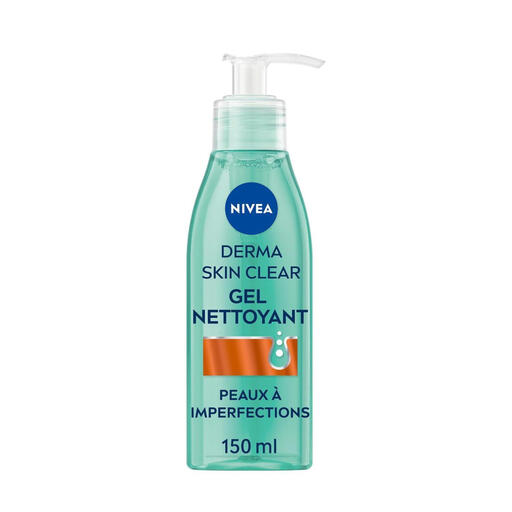
Why this choice suits this profile: Its 150 ml size and morning and evening use make it a good starting point for a routine aimed at skin prone to blemishes and excess sebum.
The product page mentions a formula based on salicylic acid, sea salt and niacinamide. It also recommends avoiding the eye area and rinsing thoroughly if contact occurs.
A gel that’s easy to massage onto damp skin, with a clearly listed ingredients list on the product page.
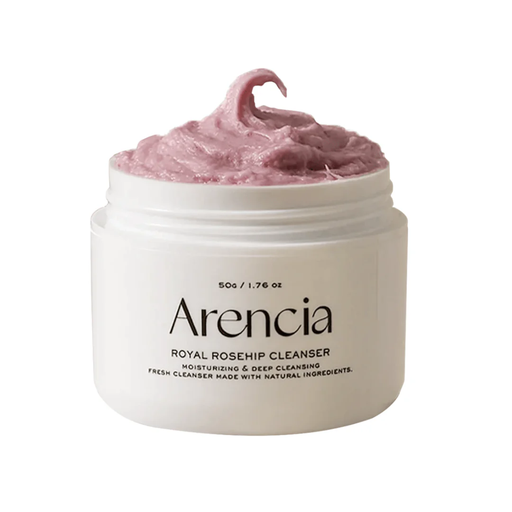
Why this choice suits this profile: Its paste-like texture transforms into a foam and can be used as a cleanser or a rinse-off mask, for a more sensory routine.
The presence of finely ground almond powder means you should keep a light hand. Avoid scrubbing and space out mask uses if your skin becomes uncomfortable.
Rosehip, aloe vera and chamomile extracts, in a product made in South Korea and offered in a 120 g size.
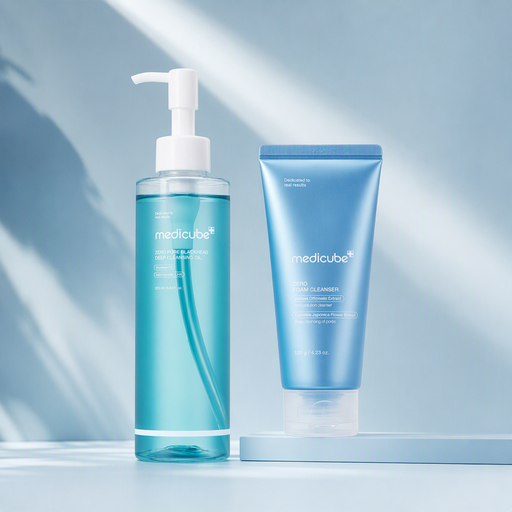
Why this choice suits this profile: This duo, consisting of an oil and a foam, is ideal for those who regularly wear make-up, sunscreen or water-resistant products.
The protocol requires emulsifying the oil with water before rinsing, then using the foam. This step helps avoid the greasy film often associated with incomplete rinsing.
The set includes a 205 ml oil and a 120 ml foam. The oil is designed to be emulsified and then rinsed off with lukewarm water.
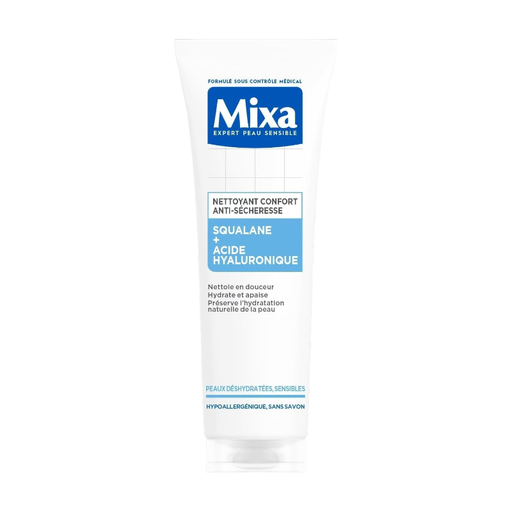
Why this choice suits this profile: Its creamy texture targets dehydrated and sensitive skin that needs a gentle daily cleanse.
Its texture isn’t designed to produce a rich lather. Still, check the ingredients list before use and stop applying it if irritation occurs.
Squalane, glycerin and sodium hyaluronate, in a formula made in France and offered in a 150 ml size.
We’ve put together a comprehensive list, updated in real time, of products that meet these demanding selection criteria and European safety regulations.
Yes, many gels and foams are designed for morning and evening use. However, dry or sensitive skin may prefer a simple rinse with water in the morning, followed by a cleanse with a suitable product in the evening. Adjust the frequency according to your skin’s comfort and the manufacturer’s recommendations.
No. It can be useful in the evening after wearing make-up, sunscreen or water-resistant products. On a day when you haven’t used these products, a single face cleanser may be enough. If your skin feels tight, space out your double cleanses or opt for a gentler formula.
Refer to the symbol indicating the period after opening, as well as the date stated on the packaging. Keep the bottle closed, away from heat and sunlight. If the smell, colour or texture changes, it’s best not to use the product any more.