
Livraison le jour même ou le lendemain

Qualité garantie

Débloquez vos offres de bienvenue: Livraison GRATUITE | Jusqu'à -80 % | 30 jours d'essai gratuits à JoyPlus
Téléchargez l'application
A face and body moisturiser can simplify your daily routine, provided you choose a formula that genuinely suits your skin. With promises of long-lasting hydration, fashionable active ingredients and ‘sensitive skin’ claims, it is easy to pay more for a marketing message that does not meet your needs.
Here are the criteria to consider before buying, along with a selection of products suited to different needs.
Dry skin is primarily lacking in lipids. It may look rough, feel tight or uncomfortable, or develop flaky patches. Dehydrated skin is mainly lacking in water: it feels tight, looks less supple and can be combination or oily.
A cream rich in shea butter or plant oils will better meet the needs of dry skin. For dehydrated skin, look instead for glycerine, hyaluronic acid or aloe vera, ideally combined with ingredients that help limit water loss.
This claim does not mean that a reaction is impossible. It generally indicates that the formula has been designed to reduce the risk of allergy, but every skin type may react differently. A moisturiser for sensitive skin therefore deserves careful attention to its INCI list.
If your skin is reactive, check in particular for fragrance, essential oils and fragrance allergens. Before applying it more widely, test it on a small area of skin.
A nourishing cream designed for the body can feel very pleasant on the legs or elbows, but leave a heavy film on the face. Combination or blemish-prone skin will generally prefer a non-greasy cream that absorbs quickly and, where stated, is non-comedogenic.
The packaging also matters: a large 400 ml jar is practical for the body, while a 40 to 60 ml tube or bottle is easier to carry and reduces repeated opening, which exposes the formula to more air.
A fragrance-free formula may be preferable if your skin reacts easily. Organic certifications such as Cosmos Organic set requirements for certain aspects of formulation and ingredient origin; however, they do not guarantee the same level of tolerance for everyone.
Always read the packaging before use: the ingredient list may change. Also follow the precautions concerning the eyes, external use, storage and users’ age.
For family use, a face and body cream should offer a comfortable texture on dry areas while still feeling pleasant on the face. If your needs differ too much, two specialist products will often be more practical: a large-format body moisturiser and a lighter face cream.
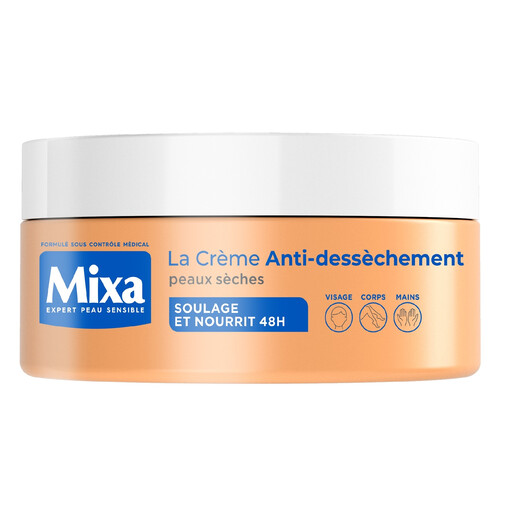
Why it suits this profile: At 150 ml, this cream lets you start a face, body and hand-care routine without committing to a large format straight away.
The product information states that it has a non-sticky texture and a formula based on plant oils, enriched with shea butter and glycerine.
For the face, body and hands ; 150 ml format ; glycerine, shea butter, sweet almond oil and soya oil.
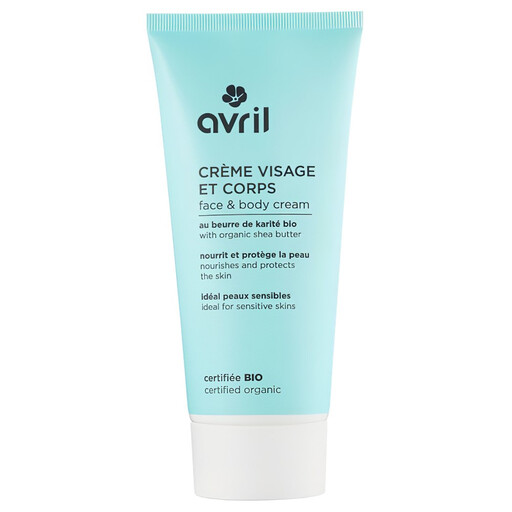
Why it suits this profile: Its 200 ml size and use on both the face and body make it suitable for a regular routine, particularly for dry areas across the whole family.
The Cosmos Organic certification by Ecocert Greenlife and the percentages of naturally derived ingredients are stated by the brand. Check them on the packaging.
200 ml ; shea butter and aloe vera from organic farming according to the product information ; suitable for the face and body.
We have put together a comprehensive, real-time updated selection of products that meet these demanding criteria and European safety requirements.
Yes, if the manufacturer clearly states that the product is suitable for both uses. However, a body cream may be richer or fragranced. For combination, oily or blemish-prone skin, a lightweight texture designed for the face will often be more suitable.
Skin can feel more comfortable soon after application, but consistency is what makes the difference. Use the cream as directed by the manufacturer and monitor how your skin reacts over several days. If dryness persists, is painful or seems unusual, seek advice from a healthcare professional.
No. An organic moisturiser may contain fragrance or plant extracts that are not suitable for everyone. Before buying, check the INCI list, the certification shown and whether any fragrance allergens are present.