
Livraison le jour même ou le lendemain

Qualité garantie

Débloquez vos offres de bienvenue: Livraison GRATUITE | Jusqu'à -80 % | 30 jours d'essai gratuits à JoyPlus
Téléchargez l'application
Choosing a face and body moisturiser seems simple enough… until you start comparing textures, active ingredients, fragrances and the promises printed on the packaging. Skin that feels tight after a shower, a shiny T-zone, redness or your baby’s particular needs – the wrong product can quickly end up at the back of a cupboard.
Before you head to the checkout, three common pitfalls keep cropping up:
To choose a face moisturiser, start by working out which texture suits your needs:
For the body, a hydrating body milk spreads quickly over large areas. A nourishing body lotion or an oil will be more suitable if you’re after a protective film and softer-feeling skin. Just make sure the finish lets you get dressed without waiting too long.
The INCI list helps you spot the components that match your priorities:
For a hydrating product for sensitive skin, look for clear instructions, avoid an overload of unnecessary active ingredients and test the product on a small area. If a reaction persists, stop using it and seek advice from a healthcare professional.
A pump bottle of 400 to 500 ml is practical for daily use on arms and legs. A tube of 40 to 75 ml is easier to carry and limits repeated exposure of the product to air.
The label should clearly show the responsible person, the ingredients, usage precautions, the nominal content and, where applicable, the period after opening. For an organic moisturiser for babies, check the recommended age, the stated certification and the conditions for use under adult supervision. Even a formula intended for infants should not be applied to broken or very irritated skin without appropriate advice.
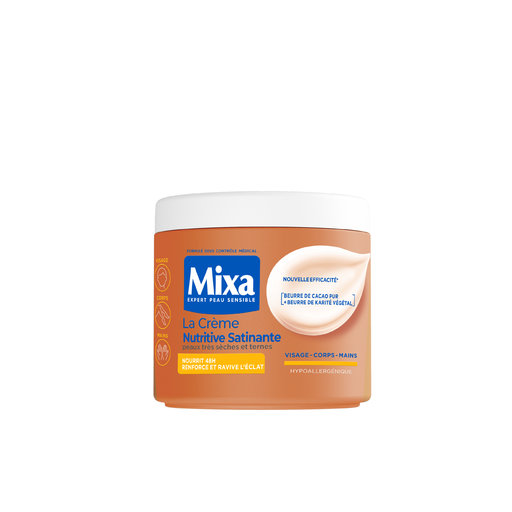
Why this choice suits this profile: Its large format is ideal for a regular body routine, especially after a shower, with a rich texture that is said to be quickly absorbed.
At 400 ml, it cuts down on how often you need to reorder. The product page also details the ingredients and recommends checking the composition directly on the packaging.
Shea butter, cocoa butter and glycerin make up the formula. The product is described as hypoallergenic by the brand, with a fragrance to bear in mind.
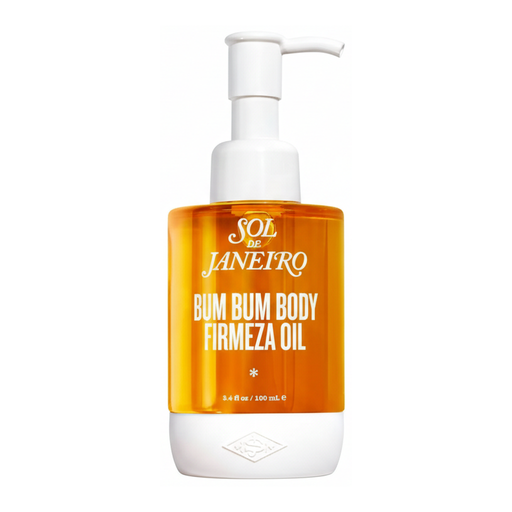
Why this choice suits this profile: This oil is aimed at those who enjoy massages and are looking for a fragrant, sensory experience for the body.
The product page clearly distinguishes the body oil from a cream and recommends applying it in circular movements. The fragrance should, however, be considered before purchase.
A blend of sunflower, olive, macadamia, jojoba and coconut oils. Its 100 ml format lends itself to targeted use.
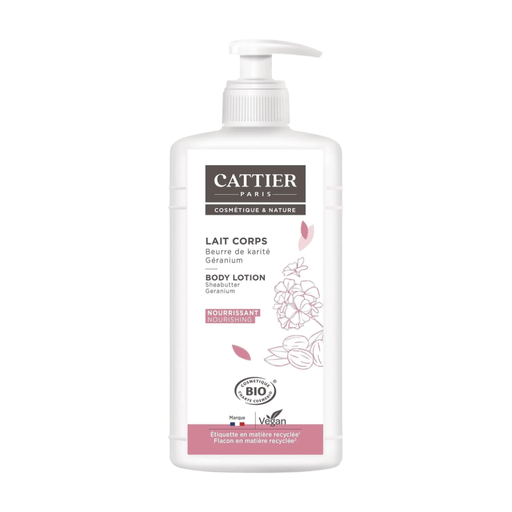
Why this choice suits this profile: Its 500 ml pump bottle makes daily application over the whole body easy, especially when dry skin needs frequent care.
The format is clearly stated and the product is for body use only. The presence of fragrance and geranium essential oil is worth checking if you react to scented products.
Shea butter, glycerin and plant oils. The product page describes the formula as organic and vegan.
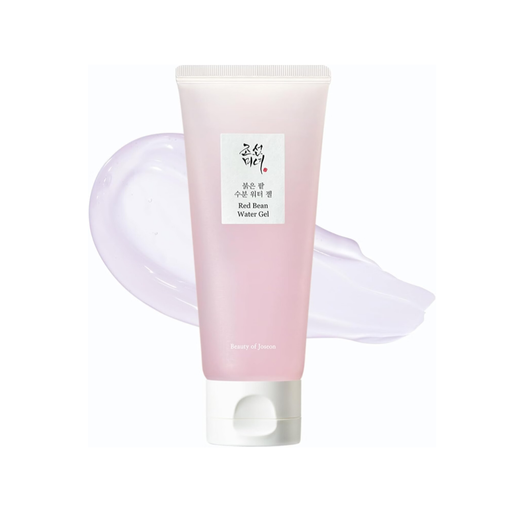
Why this choice suits this profile: Its lightweight gel texture is ideal for facial routines that need hydration without a greasy finish.
The product page states an alcohol-free and fragrance-free formula intended for the face. This avoids presenting a rich body milk as a one-size-fits-all solution.
A gel texture, red bean extract and a peptide complex listed in the ingredients. 100 ml format.
We’ve put together a comprehensive, real-time updated list of products that meet these strict selection criteria and European safety requirements.
A multi-purpose formula can work if its product page clearly states it’s for both face and body, and if the texture suits you. However, the face can sometimes be more reactive to fragrance, rich oils or certain potentially comedogenic ingredients. Two separate products let you tailor the texture and active ingredients more precisely to each area.
Follow the date or the symbol on the packaging that shows how long the product can be used after opening. Close the tube or jar after each use, store it away from heat and light, and keep an eye out for any change in smell, colour or texture. If the product comes in a jar, use clean hands to limit contamination.
Not always. Avoid open, weeping or very reactive areas and follow the manufacturer’s precautions. Testing on a small area can help identify an intolerance, but any persistent or significant irritation warrants medical advice.