
Livraison le jour même ou le lendemain

Qualité garantie

Débloquez vos offres de bienvenue: Livraison GRATUITE | Jusqu'à -80 % | 30 jours d'essai gratuits à JoyPlus
Téléchargez l'application
Choosing a face and body moisturiser may seem straightforward. Yet between promises of “intense 48-hour hydration”, all-purpose textures and formulas labelled natural, the differences can be significant. A rich treatment designed for very dry skin may not be suitable for an blemish-prone face.
To make the right choice, it is best to focus on practical criteria: skin type, application area, ingredients, fragrance, size and frequency of use.
A product can deliver water to the skin’s surface through humectants such as glycerine, without necessarily containing many nourishing ingredients. Conversely, a balm rich in oils or plant butters may relieve feelings of dryness but feel too occlusive on the face.
For a moisturiser for dry skin, look for a combination of humectants, emollients and protective ingredients. For combination or oily skin, a lighter texture will generally feel more comfortable for everyday use.
The face, body, hands and lips do not have the same needs. A large-format body moisturising lotion is convenient after showering, while a facial moisturising gel will often feel more comfortable beneath sunscreen or makeup.
Hands exposed to frequent washing may need a repairing hand cream. Lips, meanwhile, require a product specifically formulated for this area, such as a moisturising lip balm.
Labels such as “sensitive skin”, “natural” or “hypoallergenic” do not eliminate the need to check the ingredient list. A fragranced formula may be enjoyable to use but less suitable for reactive skin. Conversely, a fragrance-free treatment will not automatically suit every sensitivity.
Before buying, check the label, directions for use, minimum durability date and the identity of the responsible person in the European Union. INCI lists can change: the ingredients printed on the packaging remain the definitive reference.
A lightweight lotion spreads quickly and is a natural choice after showering. A rich cream or balm remains preferable for the elbows, knees, legs and very dry areas. For the face, also consider the finish: matte, satin, fresh or cocooning.
The presence of dimethicone, oils or plant butters affects the feel of a product but is not enough to predict its suitability. The best texture is ultimately the one you will want to apply regularly, without any feeling of discomfort.
For an organic baby cream, check the minimum age for use, the certification displayed and the instructions regarding adult supervision. Organic certification corresponds to a specific set of standards; it does not mean that the product will suit every sensitive skin type.
Do not apply cosmetics to an open wound, significant burn or persistent irritation. In the event of redness, itching or swelling, stop using the product immediately. If discomfort persists, seek advice from a healthcare professional.
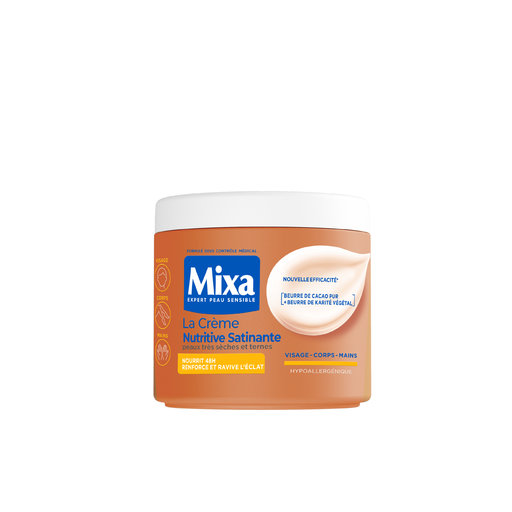
Why this suits this profile: its 400 ml size is well suited to daily body use, with the option of applying it to certain areas of the face if your skin tolerates it.
The product information mentions cocoa butter, shea butter and glycerine. If you are looking for a fragrance-free treatment, however, remember to check whether fragrance is included in the formula.
A texture described as rich and creamy, a generous 400 ml size and a formula based on glycerine and plant butters.
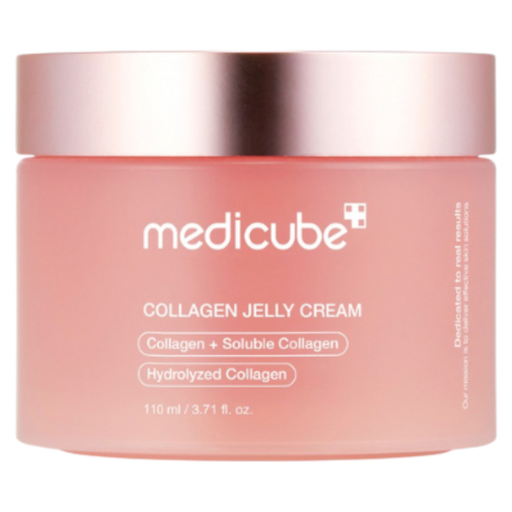
Why this suits this profile: its lightweight gel texture fits easily into a morning and evening facial routine, particularly if you dislike heavy creams.
The product information refers to a formula without added fragrance, but also lists “Parfum” among the ingredients provided. If this is decisive for you, check the packaging before buying.
A gel texture, a 50 ml size and a formula listing glycerine, niacinamide, squalane and hydrolysed collagen.
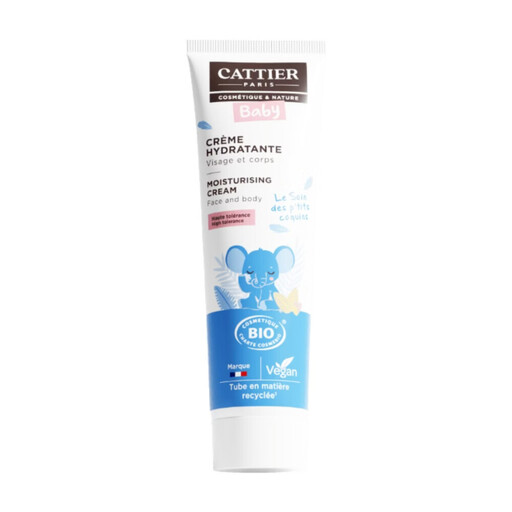
Why this suits this profile: this French formula is suitable from birth, under adult supervision, for daily facial and body care.
Certification and natural origin do not replace a preliminary test on a small area. The formula contains fragrance: monitor your child’s tolerance.
99% of the ingredients are stated to be of natural origin, with 60% from organic farming. The formula is COSMOS Organic certified by Ecocert Greenlife.
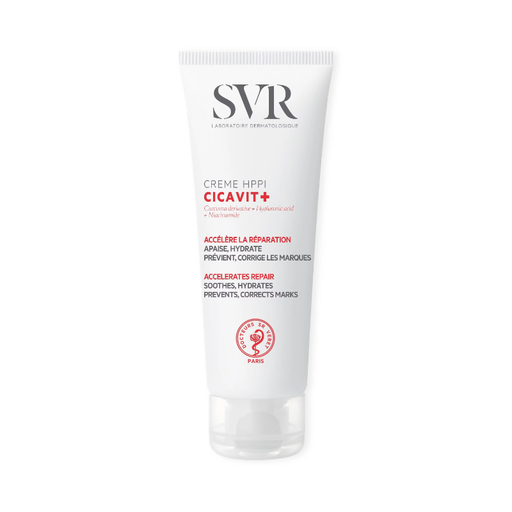
Why this suits this profile: its compact size is ideal for targeted application to the face or body when skin feels uncomfortable or has been exposed to harsh cold weather.
A cosmetic repairing cream is not a substitute for medical advice in the event of a persistent lesion. Follow the directions and avoid contact with the eyes.
Can be applied in a thin or thick layer depending on the area, with glycerine, shea butter, dimethicone and mineral gluconates.
We have brought together an updated selection of moisturising treatments suited to different skin types, application areas and everyday routines.
Apply the lotion or cream to clean skin that is slightly dry or still a little damp after showering. A small amount spread evenly is often more effective and practical than a thick layer applied unevenly.
For the face, start with a moderate amount and avoid the immediate eye area unless the product is specifically intended for it. If your skin is very dry, pay particular attention to the legs, hands, elbows and rough areas.
Keep the product closed and away from heat and light. Note the date of opening when the corresponding symbol appears on the packaging. Any change in scent, colour or texture should prompt you to stop using the product.
Yes, provided the formula and directions for use allow it. However, a facial treatment sold in a small size may work out more expensive per application. For the body, a moisturising lotion in a 250 to 500 ml size will generally be more practical.
Start with a formula suited to the area concerned, check the INCI list and choose a moisturising treatment for sensitive skin with a texture that feels comfortable. Test it on a small area before using it regularly and stop if a reaction occurs.
The “48-hour” claim is a manufacturer’s statement, generally based on a testing protocol defined by the brand. It does not guarantee the same result for everyone. Application frequency depends on your skin type, the season, washing habits and exposure to cold or wind.