
Livraison le jour même ou le lendemain

Qualité garantie

Débloquez vos offres de bienvenue: Livraison GRATUITE | Jusqu'à -80 % | 30 jours d'essai gratuits à JoyPlus
Téléchargez l'application
A face and body moisturiser might seem like the perfect way to simplify your routine, but not every formula suits every purpose. Dry legs, a shiny T-zone, or hands that take a beating from frequent washing don’t all need the same level of nourishment or the same texture.
Before you head to the checkout, it’s worth taking marketing claims with a pinch of salt. Words like “natural”, “repairing” or “non-greasy” aren’t enough to tell you whether a product will actually work for you. The area you’re applying it to, the INCI list, and the usage instructions all deserve a proper look.
A face moisturiser often contains humectants such as glycerin, hyaluronic acid or sodium PCA. Their job is to help the skin retain water. A nourishing cream, on the other hand, relies more on oils, butters and emollients to boost the feeling of comfort.
Dehydrated skin can appreciate a lightweight texture, while a cream for dry skin usually needs to leave a more enveloping film. Conversely, a very rich formula applied to combination skin can feel heavy without solving the shine problem.
The face is often more exposed to the sun, cold, temperature changes and cleansing products. A body moisturiser can therefore be more generous and come in a larger size. A day cream for the face tends to favour fast absorption and a base that works well under makeup.
Multi-purpose products, like a face-and-body cream, are handy for streamlining your routine or travelling. However, do check the manufacturer’s instructions and avoid the eye area if it isn’t explicitly mentioned.
A pleasant texture or an organic certification doesn’t guarantee the absence of fragrance. Some products contain fragrance allergens that must be declared, such as limonene, linalool, citral or geraniol. To choose a cream for sensitive skin, check the INCI list and test the product on a small area before your first full application.
Glycerin, plant oils, shea butter, squalane, ceramides and hyaluronic acid are common ingredients in moisturising products. However, their presence doesn’t guarantee the same result for everyone: the texture, concentration and overall balance of the formula all play a part.
For an organic cream, check the certification standard used and the name of the certifying body, for example COSMOS ORGANIC certified by Ecocert Greenlife. A vegan formula means it contains no animal-derived ingredients, but that doesn’t automatically mean it will suit sensitive skin.
A non-greasy cream will often feel more pleasant in the morning or on combination skin. A rich formula is better suited to rough areas, cold weather or evening application. To compare prices, look at the cost per 100 ml: it puts a 30 ml tube, a 150 ml pot and a 400 ml bottle on an equal footing.
For very dry skin or feelings of discomfort, formulas based on shea butter, urea or ceramides are usually the ones to look at first. Still, always follow the warnings on the packaging and stop using the product at the first sign of irritation.
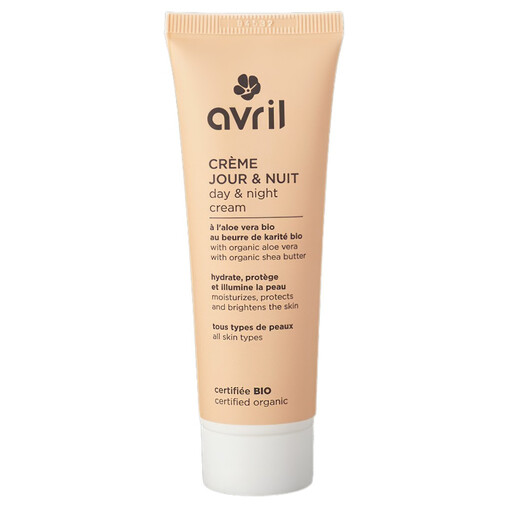
Why this choice suits this profile: With its 50 ml size and dual use, this day and night cream lets you keep your routine simple without piling on products. It suits several skin types and is made in France.
Its 2-in-1 positioning means you don’t have to buy a separate day cream and night cream. However, it’s still advisable to check the ingredients and whether it contains fragrance before purchasing.
98% naturally derived ingredients, 20% from organic farming according to the product sheet, vegan formula and can be used morning and evening.
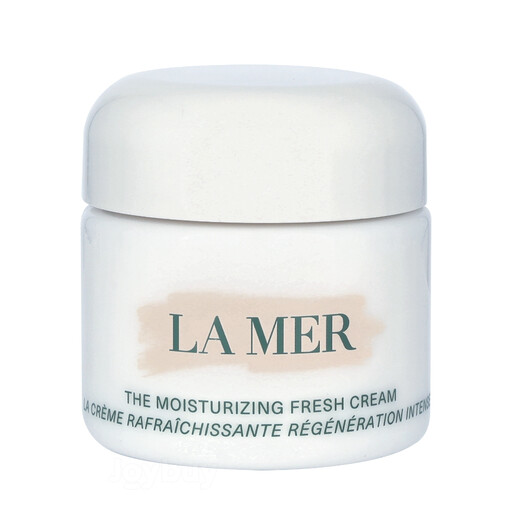
Why this choice suits this profile: Its lightweight gel-cream texture and 60 ml size are aimed at those looking for a premium sensory experience for the face.
The description promises a lightweight finish designed for combination to oily skin. A useful indicator to avoid a formula that’s too rich when you’re mainly looking to minimise that greasy film feeling.
Gel-cream texture described as lightweight, can be used morning and evening, and includes a spatula according to the product presentation.
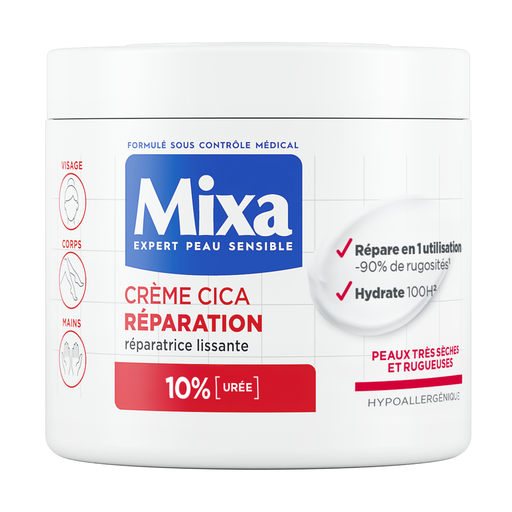
Why this choice suits this profile: With its large size, this cream is ideal for regular body application, especially when you have lots of dry, rough areas.
The presence of urea is clearly stated in the ingredients. The 400 ml size also means you won’t have to replace a small tube too often.
Formula described as hypoallergenic, with urea, glycerin, niacinamide and shea butter. The results claimed by the brand don’t necessarily reflect every user’s experience.
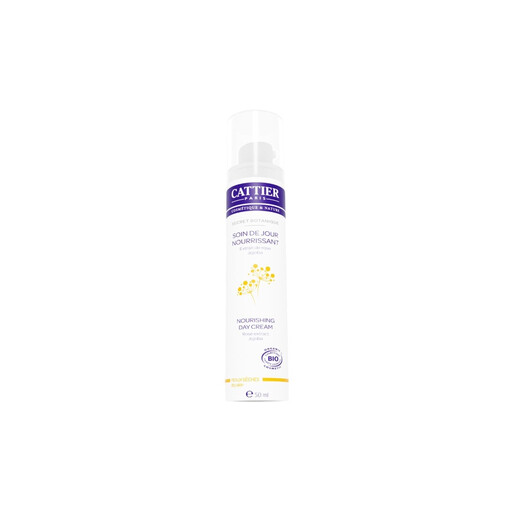
Why this choice suits this profile: This day cream for the face is designed for dry and sensitive skin. Its product sheet states it is fragrance-free.
The fragrance-free claim helps rule out a factor often overlooked by those sensitive to scents. The INCI list should still be checked on the packaging before first use.
Ecocert Greenlife organic certification, vegan formula, with glycerin, jojoba oil, squalane and bisabolol in the stated ingredients.
We’ve put together a full selection, updated in real time, of products that meet these exacting criteria as well as European safety requirements.
Yes, as long as the product clearly states both areas of application. A multi-purpose cream can simplify your routine, but it won’t necessarily replace a non-greasy cream for the face or a richer formula for very dry legs. Avoid the eye area and any irritated zones if the instructions don’t mention them.
Refer to the open-jar symbol, for example “12M”, as well as the date and other information on the packaging. Close the product after each use, store it away from heat and light, and throw it away if its smell, colour or texture changes.
Apply a reasonable amount to clean, dry skin and massage until fully absorbed. For the body, applying it just after a shower can be particularly convenient. On the face, spread the product to the neck and décolletage only if the instructions recommend it. If you experience redness, itching or irritation, rinse if necessary and stop using the product.