
Livraison le jour même ou le lendemain

Qualité garantie

Débloquez vos offres de bienvenue: Livraison GRATUITE | Jusqu'à -80 % | 30 jours d'essai gratuits à JoyPlus
Téléchargez l'application
Choosing a face and body moisturiser isn’t just about the scent or the promise on the jar. A texture that’s too rich can leave an uncomfortable film on oily skin, while a formula that’s too light may not be enough for dry legs or chapped hands.
To buy wisely and avoid waste, focus on three key things: the area you’re applying it to, the ingredients, and how well your skin is likely to tolerate it. Here are the main pitfalls to avoid, followed by a selection tailored to different needs.
Dry skin primarily lacks lipids. It often needs a cream for dry skin containing fats like shea butter, plant oils or certain emollients. Dehydrated skin, on the other hand, lacks water. It can be oily, combination or dry, while still feeling tight and looking less supple.
A lightweight face moisturiser can work well for dehydrated skin, whereas a richer body moisturiser is usually better for elbows, legs or rough areas.
The presence of hyaluronic acid, niacinamide, urea or ceramides isn’t enough to predict how comfortable a formula will feel on your skin. The texture, the overall balance of the ingredients and whether it contains fragrance all matter just as much.
A cream might, for example, contain a desirable active ingredient while also including allergenic fragrance substances or ingredients that some people don’t tolerate well. Always check the INCI list printed on the packaging, as it can change.
The face, hands, body and a baby’s skin don’t have the same needs or constraints. A hand cream for dry hands can be too rich under make-up. A scented body cream isn’t automatically suitable for the face. For a newborn, choose a formula specifically designed for use from birth and apply it under adult supervision.
A non-comedogenic formula can be helpful for acne-prone skin, but this claim doesn’t guarantee the same tolerance for everyone.
Glycerin, panthenol, beta-glucan and hyaluronic acid are commonly used to help maintain skin hydration. Urea is often found in products for rough areas. Ceramides, oils and plant butters provide a more nourishing effect.
For a soothing cream or a sensitive skin cream, choose a formula with a clear ingredient list and check for fragrance. An “alcohol-free” or “fragrance-free” formula can be suitable for some people, but these indications don’t replace a tolerance test.
A large 380 ml or 400 ml format can be more practical for legs, arms and the whole family. A 40 ml to 75 ml tube is easier to carry for hands or the face. Close the container carefully, keep it away from heat and direct light, and respect the expiry date shown on the packaging.
Do a patch test on a small area before first use. If redness, itching or irritation occurs, stop using it. These products are cosmetics and do not replace medical advice.
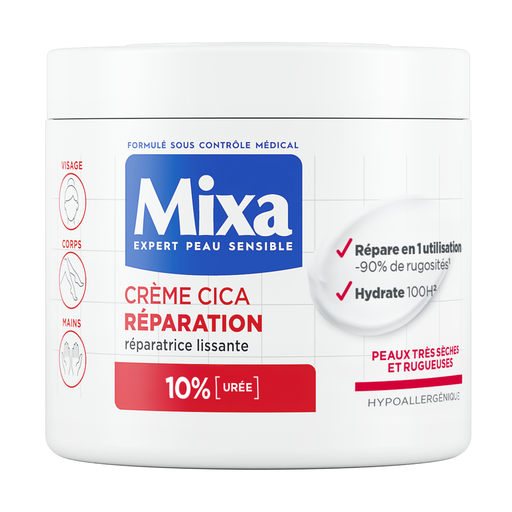
Why this choice fits the profile: its large format is ideal for a regular body routine, especially on dry and rough areas.
The listing mentions urea and glycerin for dry skin, with a texture described as light. However, the presence of fragrance and denatured alcohol should be checked against your own tolerance.
400 ml, urea and niacinamide in the formula, product described by the brand as hypoallergenic and tested under medical supervision.
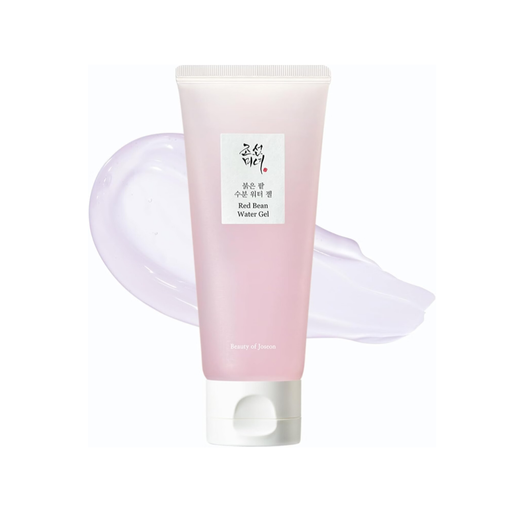
Why this choice fits the profile: its light gel texture is designed for oily skin and those who dislike heavy finishes.
The gel texture reduces the greasy feel. The formula is stated to be alcohol-free and fragrance-free, but a patch test is still advisable on sensitive skin.
100 ml, 44% red bean extract according to the product listing, glycerin, panthenol and three peptides listed in the ingredients.
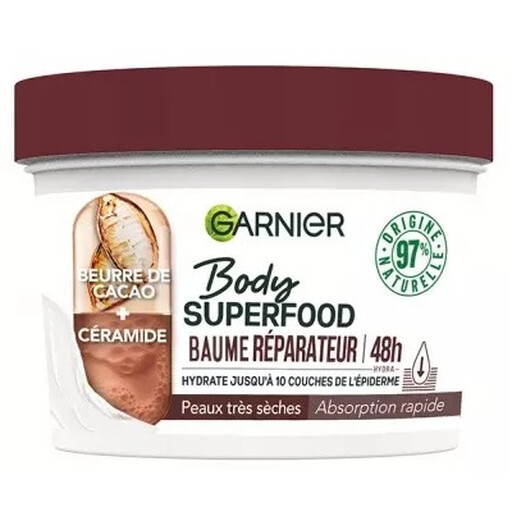
Why this choice fits the profile: its family-sized format and balm texture meet the needs of frequent body use.
Its volume reduces the need for frequent repurchases when covering large areas. Its rich texture may, however, be less suitable for the face or for those who prefer a dry finish.
380 ml, cocoa butter, shea butter and ceramide in the formula, product stated to be 97% naturally derived ingredients.
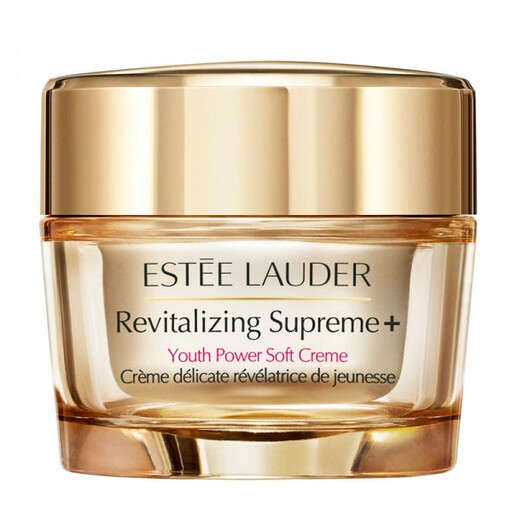
Why this choice fits the profile: its soft texture and morning and evening use fit easily into a facial routine focused on comfort and radiance.
The listing details the ingredients rather than reducing the presentation to a simple age-related promise. However, the presence of fragrance should be considered by those with reactive skin.
50 ml, glycerin, hyaluronic acid, shea butter and moringa extract appear in the INCI list.
For an anti-blemish cream, check its compatibility with your current routine and avoid layering several potentially irritating active ingredients. The SVR Sebiaclear Hydra, in 40 ml, is presented as suitable for skin undergoing drying treatments. It contains niacinamide, shea butter and argan oil. Its listing does, however, mention the presence of fragrance.
For a dark spot cream, the AXIS-Y TXA 2.5% Intensive Brightening Cream combines, according to its ingredients, 2.5% tranexamic acid, niacinamide and glutathione. The brand recommends using sun protection during the day. This product is intended for the face and deserves a patch test first.
Those looking for an organic cream can turn to Cattier products certified COSMOS Organic by Ecocert Greenlife, including the nourishing day cream for dry skin, the soothing cream for sensitive skin and the face and body moisturiser for babies. Certification claims, percentages of naturally derived ingredients and organic farming content should be checked on the packaging.
Find an updated selection of products suited to different hydration, nourishment and skin comfort needs.
Yes, if the listing clearly states both uses and the texture suits you. For oily or blemish-prone skin, a light facial formula will often be more practical. For very dry skin, a rich body cream can be comfortable, but sometimes too occlusive under make-up.
A light emulsion generally absorbs more quickly than a balm. Apply a moderate amount to clean skin, then massage until absorbed. If a film remains after a few minutes, reduce the amount you use or choose a more fluid texture.
Only use a product explicitly formulated for babies, such as a face and body cream designed from birth. Check the usage instructions, do a patch test on a small area and do not apply the product to damaged or irritated skin without seeking advice from a healthcare professional.