
Livraison le jour même ou le lendemain

Qualité garantie

Débloquez vos offres de bienvenue: Livraison GRATUITE | Jusqu'à -80 % | 30 jours d'essai gratuits à JoyPlus
Téléchargez l'application
With promises of long-lasting hydration, formulas inspired by the Korean skincare routine and different sun protection ratings, choosing the right skincare and beauty products can quickly become a headache. A pretty pot you spot on the shelf may not suit your skin, your budget or your everyday routine.
Claims such as ‘radiance’, ‘youthful’ or ‘repairing’ are very general. They’re no substitute for checking the ingredients, reading the directions for use and making sure the product is intended for your skin type. For dry skin, a moisturising face cream containing glycerine, hyaluronic acid or emollients is often a better choice than a product picked solely for its fragrance or packaging.
SPF50 sun cream needs to be applied generously and reapplied during prolonged exposure. An SPF30 CC cream can complement your morning routine, but it may not replace dedicated sun protection, especially at the beach, on a hike or during outdoor activities.
Starting with an anti-ageing product, an exfoliant, a product for blemishes and several serums all at once increases the risk of irritation or discomfort. Formulas containing retinal, bakuchiol, fragrance or denatured alcohol should be introduced gradually. Before using one for the first time, it’s best to test it on a small area, especially if you have sensitive skin.
Start by identifying your main concern:
Also check whether the product is intended for your face, body, hair or a specific area. Hair removal cream, for example, shouldn’t be used on any area of the body not listed on the packaging.
A larger size may be good value for everyday use. On the other hand, a smaller container can be a better choice for testing how your skin reacts. Compare the volume, the amount needed for each application and how long the product is expected to last, rather than looking at the price alone.
The INCI ingredient list can also help you spot ingredients you’re sensitive to. Formulas may change, so always check the label on the product you receive. Products containing retinal or other potentially sensitising actives are generally applied in the evening, following the manufacturer’s instructions. Use sun protection during the day.
SPF30 and SPF50 indicate the level of UVB protection stated on the packaging. However, the protection you actually get depends on how much you apply and how often you reapply it. Avoid contact with your eyes, follow the leave-on time for hair removal products and don’t apply a formula to irritated or damaged skin.
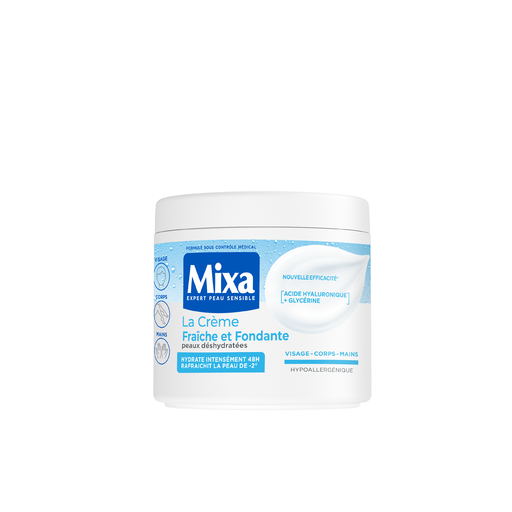
Why this is a good fit for this profile : Its generous size suits anyone looking to start a hydrating routine for their face and body without buying lots of different products.
It focuses on one clear goal—hydration—instead of making lots of promises. However, you should still check the ingredients before each use.
Contains glycerine, shea butter and sodium hyaluronate. The 400 ml size is well suited to regular use.
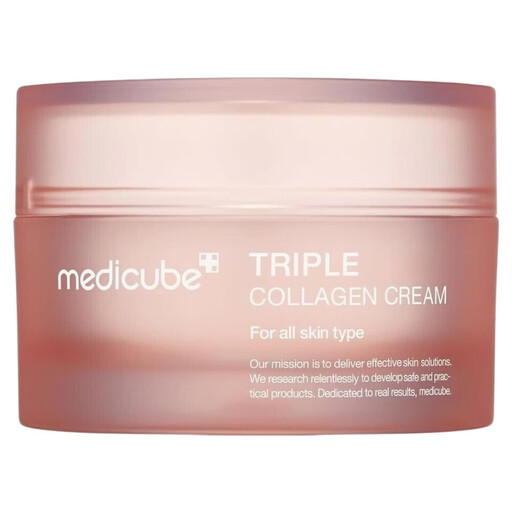
Why this is a good fit for this profile : Its rich texture is ideal for anyone looking for a nourishing face cream focused on comfort and skin suppleness.
The formula and directions say to use it as the final step in your routine, helping you avoid unnecessary layers.
According to the product listing, this cream combines three types of collagen with niacinamide, hyaluronic acid and hydrolysed elastin.
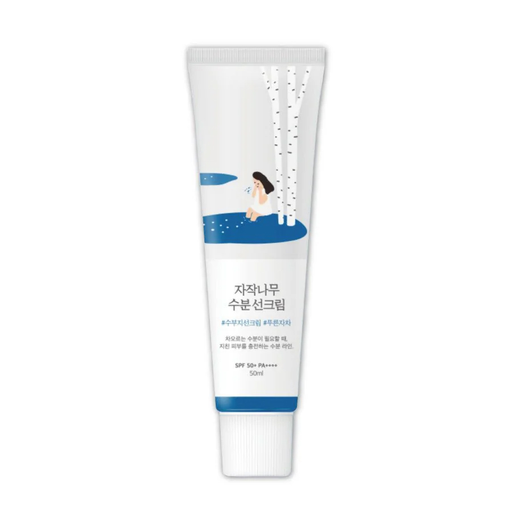
Why this is a good fit for this profile : The 50 ml size is suited to regular use on your face and neck, particularly if you spend a lot of time outdoors.
The SPF50+ and PA++++ ratings are clearly stated. You still need to apply enough and reapply according to how long you’re exposed and how intense the sunlight is.
SPF50+ PA++++ protection, a lightweight texture according to the description, and birch sap, niacinamide and allantoin.
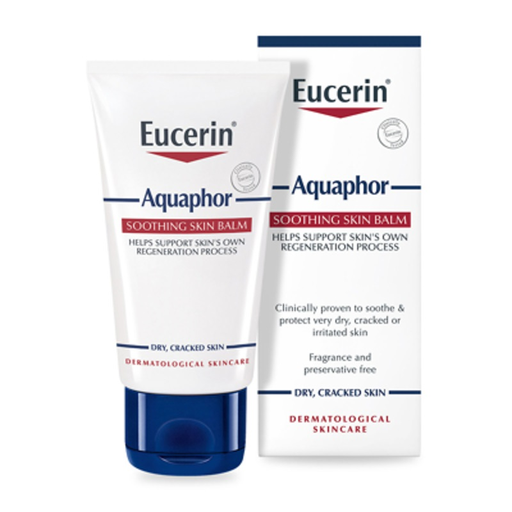
Why this is a good fit for this profile : Apply this balm to specific areas such as your hands, elbows, heels or very dry patches on your body, rather than all over your face like a lightweight cream.
Its role as a protective balm clearly sets it apart from an everyday moisturiser. Don’t apply it to a deep wound or damaged skin.
According to the product listing, its formula is fragrance- and preservative-free, and contains petrolatum, panthenol and bisabolol.
We’ve brought together a complete, real-time updated selection of products that meet these exacting criteria and European safety standards.
A simple routine is usually enough: a gentle cleanser, a moisturiser suited to your skin and sun protection in the morning. You can then add a targeted treatment, such as an anti-blemish cream or an anti-ageing product, but introduce just one at a time. This makes it easier to spot any reaction.
Check the open-jar symbol and the information on the packaging. Shelf life depends on the formula, packaging and storage conditions. Close products carefully and keep them away from heat and direct sunlight.
A CC cream with SPF provides the level of protection stated by its manufacturer while lightly evening out your complexion. If you’re exposed to the sun for a long time or at a high intensity, use a dedicated sun cream instead and reapply it as directed on the packaging.