
Livraison le jour même ou le lendemain

Qualité garantie

Débloquez vos offres de bienvenue: Livraison GRATUITE | Jusqu'à -80 % | 30 jours d'essai gratuits à JoyPlus
Téléchargez l'application
A grease stain on a shirt, coffee on a sofa, or pet marks on a carpet – these don't all respond to the same product. Yet many packaging labels promise "universal" effectiveness without mentioning the limitations relating to fibres, colour, or dwell time.
Before buying a fabric stain remover, it's worth considering three things: the type of stain, the fabric in question, and the method of application. This approach helps you avoid unsuitable purchases and reduces the risk of discolouration or damage.
A product that claims to be effective on many stains may still be unsuitable for wool, silk, leather, or certain treated surfaces. Several pre-wash stain removers in this selection clearly state that they should not be used on wool, silk, or leather.
So the phrase "all fabrics" deserves a careful read. It may exclude carpets, rugs, leather, or upholstery fabrics.
A stain remover spray is ideal for quick, targeted application. A stain remover gel allows you to treat a small area with greater precision. A stain remover powder can be useful for machine washing or soaking, but it usually requires preparation and careful measuring.
Buying a large multi-purpose bottle to treat a very specific stain, like rust or oil, isn't always the most sensible choice.
A dwell time that's too long can alter the colour or weaken the fibres. On the other hand, too short an action may not tackle a set-in stain. Always follow the manufacturer's instructions and the guidance on the garment's care label.
Before any application, test on an inconspicuous area. This precaution is especially important with coloured fabrics, upholstery, and delicate materials.
Not all formulas target the same kinds of soiling:
How quickly you act also matters. A fresh stain is generally easier to remove than one that has been through a tumble dryer or set by heat.
A laundry stain remover intended for washable clothes is not a substitute for a carpet and rug stain remover. Carpets, sofas, and car seats often hold more product and take longer to dry.
For a sofa or carpet, check:
A product designed for a machine must also be used at the recommended dosage. A solution that is too concentrated can cause excessive foam or damage the internal mechanism of certain machines.
A 500 to 750 ml spray is suitable for everyday maintenance and small jobs. A 50 ml bottle is better for targeted use, for example on a rust or grease stain. For a family, a home with pets, or professional use, a 1 kg powder or a 1.5 l gel can reduce how often you need to restock.
However, volume shouldn't be the only factor to consider: a specialised formula can avoid repeated applications and limit waste.
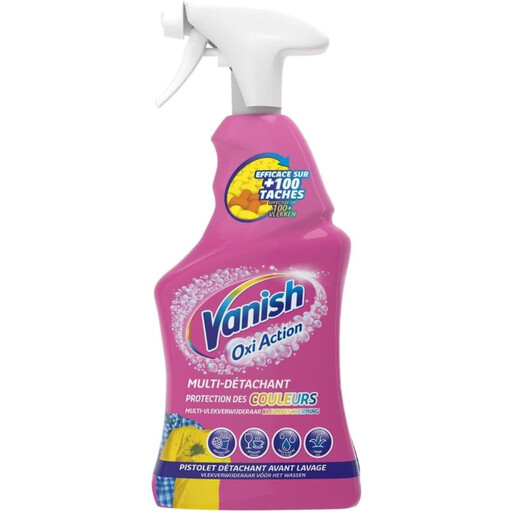
Why this choice suits this profile: Its spray format lets you treat common stains directly before washing, with no special preparation needed.
The instructions specify which textiles are excluded and recommend a short dwell time of 1 to 2 minutes before washing.
750 ml bottle, targeted application, and intended for use on both whites and colours, as per the instructions.
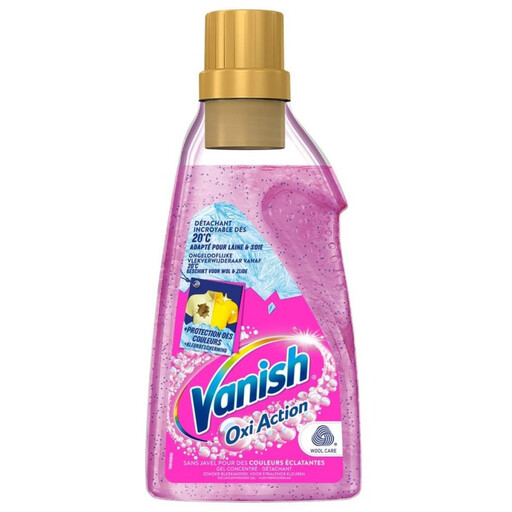
Why this choice suits this profile: Its large format and applicator nozzle are ideal for households that regularly treat stained laundry.
The product page details the precautions for use, advises against mixing the gel with other products, and specifies treatment limitations.
1.5 l gel, cap with a scrubbing head, and a chlorine-free formula, as stated on the product page.
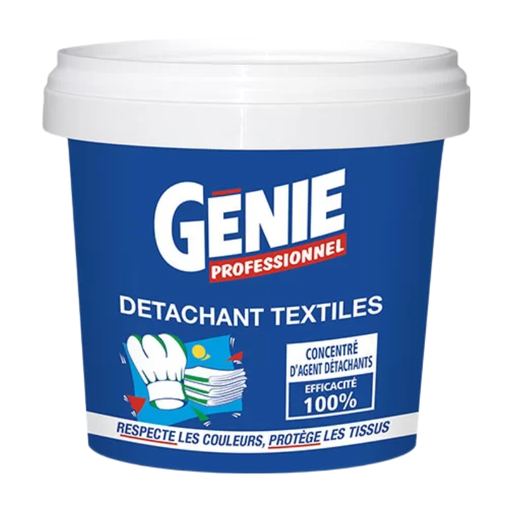
Why this choice suits this profile: Its format and various methods of use are well suited to large families and those who carry out regular maintenance.
The product page distinguishes between hand washing, machine washing, and excluded textiles, notably wool and silk.
1 kg format, active oxygen, enzymes, and surfactants listed in the description.
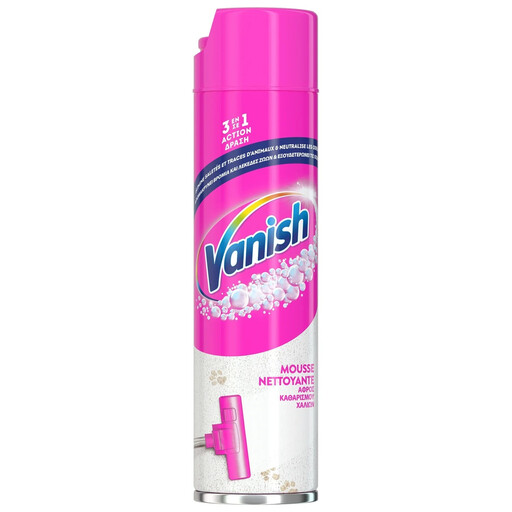
Why this choice suits this profile: It is designed for carpets, rugs, and upholstery fabrics, with local application followed by dabbing.
Its intended use is clearly separate from washable laundry, which reduces the risk of applying an unsuitable product to a sofa or carpet.
600 ml spray, use on carpets and upholstery fabrics, and action against bad odours mentioned on the product page.
We have compiled a comprehensive, real-time updated list of products that fully meet these strict selection criteria and European safety regulations.
With a cleaning machine, only use a solution that is compatible with the model and follow the stated dilution. Concentrated carpet and fabric cleaners should not be poured undiluted into a tank designed for a diluted solution.
A product specifically formulated for grease and oil will be more suitable than a general formula. The product page for DR BECKMANN Stain Remover for Grease and Oil Stains notably mentions oil, butter, sauces, and chocolate. It is indicated for textiles, but not for carpets or leather.
Not always. A pre-wash stain remover intended for clothes may be unsuitable for upholstery fabrics. For a sofa, look for an explicit mention regarding fabrics, carpets, or upholstery, and always test on an inconspicuous area first.
The shelf life depends on the date stated on the packaging and storage conditions. Keep the bottle closed, in a cool, dry place away from sunlight and heat. If the product's appearance, smell, or texture changes, consult the instructions before using it.